
The Money Pit may have just given up something far more dangerous than a clue. A 1690 Spanish cob coin — small, silver, worn by time, and loaded with the history of the Atlantic world — has reportedly surfaced in the exact place Oak Island has guarded for generations. It is the kind of object that does not simply appear. It arrives with a past. A violent one. And once the team realizes what they may be holding, the whole search starts to feel less like a hunt for treasure and more like a collision with the age of pirates itself.
The Money Pit just got a whole lot older
Oak Island has always been a place where tiny discoveries carry enormous weight, but this one feels different from the start. A Spanish cob coin from 1690 is not just another old coin. It belongs to a world of treasure fleets, colonial ports, privateers, shipwrecks, and the dangerous Atlantic routes that made silver one of the most fought-over commodities on earth. In that world, a coin like this was never harmless. It moved through hands that were armed, desperate, ambitious, and often corrupt.
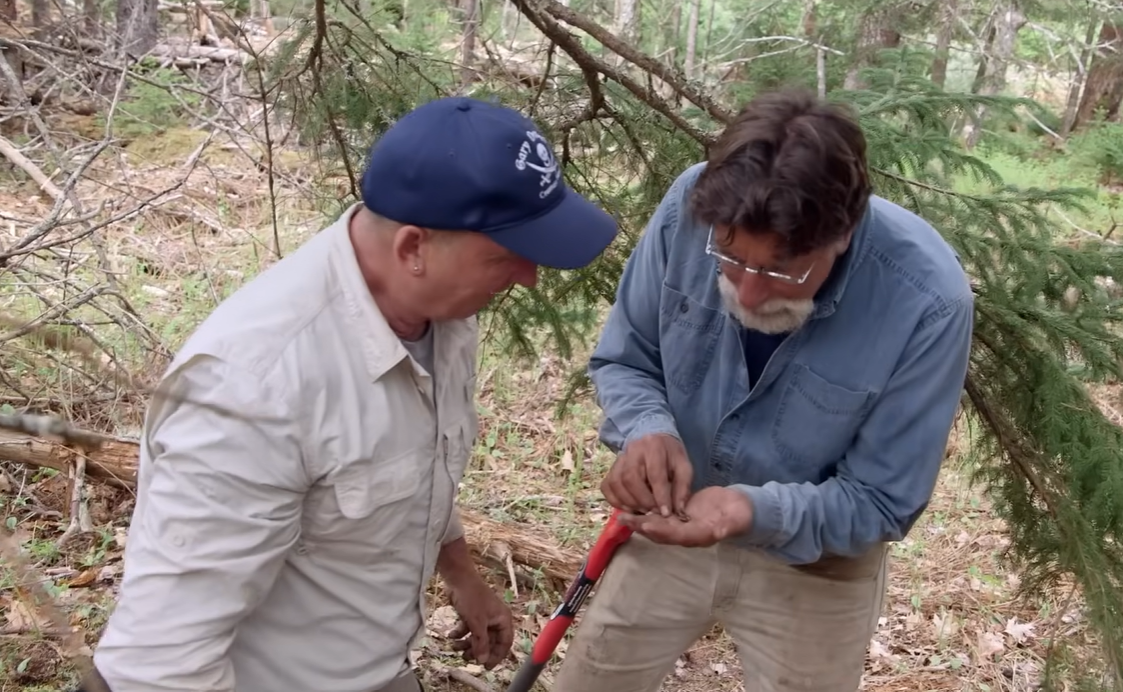
That is what makes the find so compelling. When a coin of that age turns up in the Money Pit, it does not feel random. It feels like evidence of movement. Someone carried it. Someone lost it. Or someone buried it with intention, knowing that the island would be the perfect place to hide something tied to a much bigger story.
And because it surfaced in the Money Pit, the emotional impact is immediate. The Money Pit is not just another dig site on Oak Island. It is the center of the mystery, the place where belief and frustration have collided for more than two centuries. So when a coin from the golden age of piracy appears there, it changes the atmosphere at once. The island stops feeling like a modern search site and starts feeling like an untouched witness to the darkest and richest period of maritime history.
That is the real power of this discovery. A single silver coin can pull the entire search backward through time, past colonial rumors and treasure-hunting theories, into an era when wealth at sea was a matter of survival.
Why this coin matters more than its size
The beauty of a Spanish cob coin is that it looks deceptively simple. It is not flashy. It is not ornate. It was often crudely cut, irregular, and meant for circulation rather than display. But that roughness is exactly what gives it power. These coins were the currency of empire, trade, plunder, and survival. They traveled farther than most people in the 17th century ever did. They crossed oceans in fleets, in hidden cargo, and in the pockets of men who lived one raid away from death.
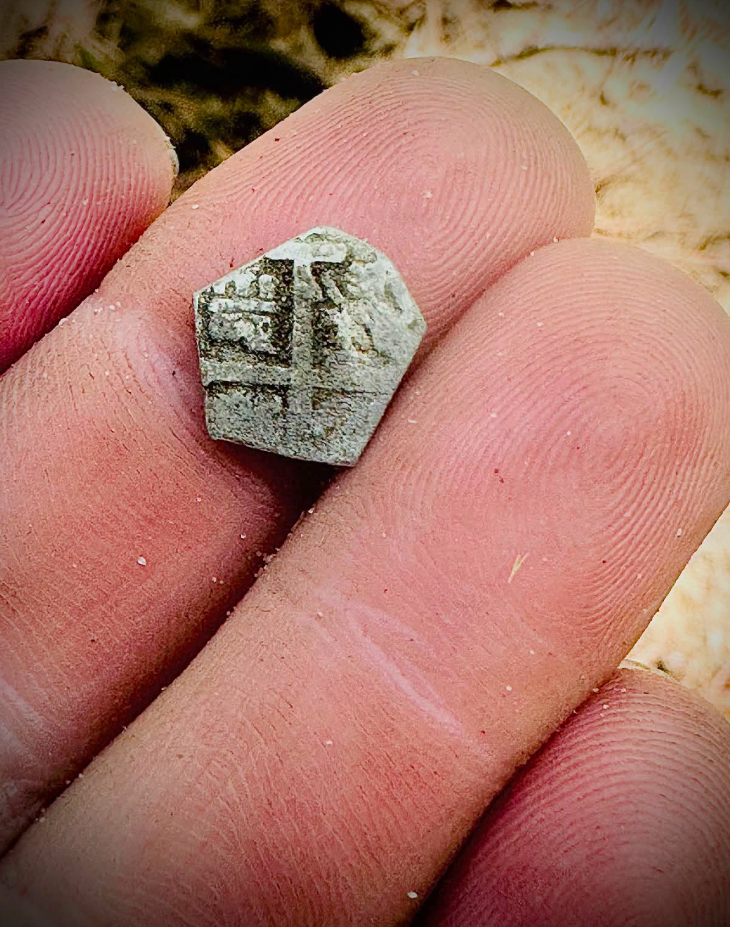
That history gives the Oak Island coin a kind of gravity that gold artifacts do not always have. Gold can dazzle. Silver can testify.
A cob coin tells the story of a moving world. It suggests merchants, sailors, smugglers, pirates, or colonial agents operating in a brutal maritime system where every shipment was vulnerable to attack. That is why this discovery immediately sparks so many questions. Did the coin arrive as part of a wreck? Was it carried by a pirate? Was it lost by someone moving treasure inland? Or did it come to Oak Island as part of a deliberate concealment effort tied to a much larger load of wealth?
That uncertainty is exactly what gives the coin its emotional charge. It is small enough to hold in one hand, but the history attached to it is enormous. It is the kind of object that makes researchers lean closer, because every edge, every mark, every surface tells a story that could shift the entire interpretation of the island.
And on Oak Island, that matters more than most places. The island does not reward easy answers. It rewards clues that behave like doors. And this coin feels like one of them.
The real question is who brought it here — and why
The most fascinating part of the discovery is not the coin itself. It is the route it must have taken to get here.
A 1690 Spanish cob coin does not belong in the Money Pit unless something or someone brought it there. That means the team is no longer just asking whether it is authentic. They are asking how it traveled across the Atlantic, through the violent world of piracy and colonial trade, and into the heart of Oak Island’s greatest mystery. That is a much larger question, and it opens the door to a far deeper story.
Did a pirate carry it as part of a hidden stash? Did a shipwreck scatter it before it was gathered up again? Was it part of a trade bundle, a raided cargo, or a black-market cache meant to disappear forever? Or does the coin point toward something even stranger — a hidden network of movement and concealment that used Oak Island as a final resting place for valuables meant to vanish?
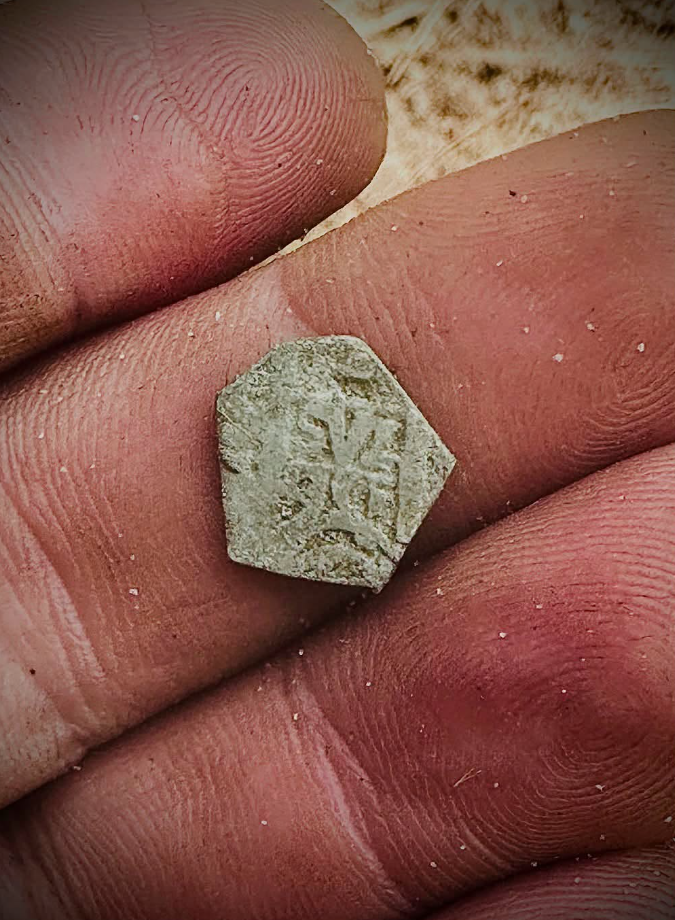
That possibility gives the find real tension. Because once the coin is seen as part of a route, the island starts to feel connected to the broader Atlantic world in a way that is hard to dismiss. The Money Pit may have been chosen because it was already a place of concealment, already a place where valuable things could be buried and forgotten. If so, then this coin may be one of the clearest signs yet that Oak Island was used by people who understood the value of secrecy as much as the value of silver.
And that is what makes the discovery feel so alive.
It is not just about a coin.
It is about a world of pirate ships, treasure routes, and hidden cargo that may have brushed against Oak Island and left behind a single silver witness. A witness from 1690. A witness that survived storms, raids, and centuries underground just to make one point: the island’s history may be tied to the age of piracy far more deeply than anyone expected.
If that is true, then the Money Pit has not merely produced another artifact.
It has delivered a warning from the Atlantic age itself.
And now the biggest question is impossible to ignore:
If this Spanish cob coin made it to Oak Island, what else sailed with it — and who was powerful enough to hide the rest?
