
Cleopatra Discovery Near Alexandria has turned into a stunning breakthrough for Josh Gates and Expedition Unknown, as a hidden chamber deep near the ancient city reportedly revealed gold artifacts and statues linked to Queen Cleopatra, opening a new chapter in one of Egypt’s most enduring historical mysteries.
Cleopatra Discovery Near Alexandria Brings Ancient Egypt Back Into the Spotlight
Cleopatra Discovery Near Alexandria sounds like the kind of headline that belongs to legend, but in this story it becomes the heart of a discovery that feels bigger than television. Deep near Alexandria, the Expedition Unknown team reportedly uncovered a hidden chamber filled with gold artifacts and statues tied to Queen Cleopatra, and that alone is enough to make the moment feel historic. Cleopatra has long stood at the crossroads of myth, power, and tragedy, so any new find connected to her name carries an emotional weight that goes far beyond the walls of a dig site. It is not just about treasure. It is about the possibility of seeing the last queen of Egypt through objects she may have known, used, or inspired.
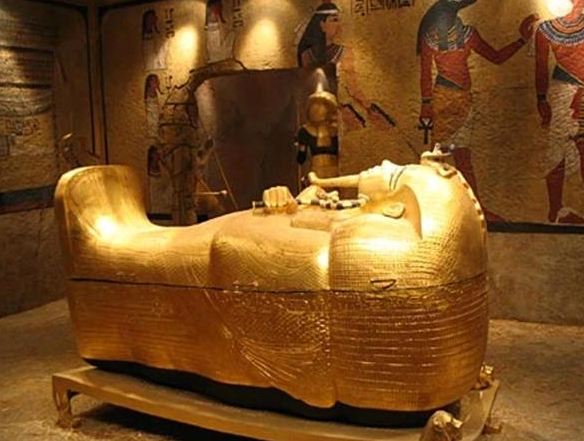
What makes this kind of discovery so compelling is the way it seems to collapse time. One moment, the team is working through dust, stone, and layers of silence. The next, they may be standing in front of something that has not been seen in centuries. That creates a feeling of awe that is difficult to overstate. A chamber like this does not simply reveal artifacts; it opens a door into the final years of a world that shaped history. The closer Gates gets to Cleopatra’s legacy, the more the story becomes not just archaeological, but deeply human.
That is what gives Cleopatra Discovery Near Alexandria its emotional power. It brings forward the idea that history can still surprise us, even when we think the broad outlines are already known. Cleopatra is one of the most famous figures in the ancient world, yet she remains surrounded by questions. A discovery like this does not erase those questions. Instead, it makes them feel more alive, as if the past is still trying to speak.
The Hidden Chamber Could Change How Cleopatra Is Remembered
The most exciting part of the story is not simply that gold and statues were found, but that the discovery could change how people think about Cleopatra herself. For centuries, she has been remembered through a mixture of history, politics, and powerful storytelling. She has been portrayed as a ruler, a symbol, a lover, and a tragedy. But artifacts discovered near Alexandria may offer something more grounded: a chance to understand the material world around her, the people who served her, and the culture that surrounded her final years.

That possibility gives Cleopatra Discovery Near Alexandria a much deeper significance. Archaeology is often most powerful when it helps turn a famous name into a living person. Gold objects, carved statues, and hidden chambers are not just signs of wealth. They are signs of intention. Someone placed those objects there. Someone valued them. Someone believed they mattered enough to protect. That human intention is what makes the story feel so rich, because it gives Cleopatra a presence that is no longer only historical, but personal.
Josh Gates has always been effective in stories like this because he understands that discovery is about more than spectacle. He knows the audience is not just looking for something shiny or dramatic. They are looking for meaning. By framing the find as a possible turning point in how Cleopatra’s history is understood, the episode gives viewers something to hold onto emotionally. It suggests that the past is not fixed. It can still shift when the right chamber opens at the right moment.
Why This Discovery Feels Like a True Historical Turning Point
The reason Cleopatra Discovery Near Alexandria feels so powerful is that it touches one of the most enduring dreams in archaeology: the possibility that a single find can change the story people thought they knew. Cleopatra is already a towering figure in history, but much of her image has been shaped by stories told after her lifetime. A hidden chamber tied to her world offers something more immediate. It offers evidence. It offers texture. It offers the chance to hear history through objects rather than legend.
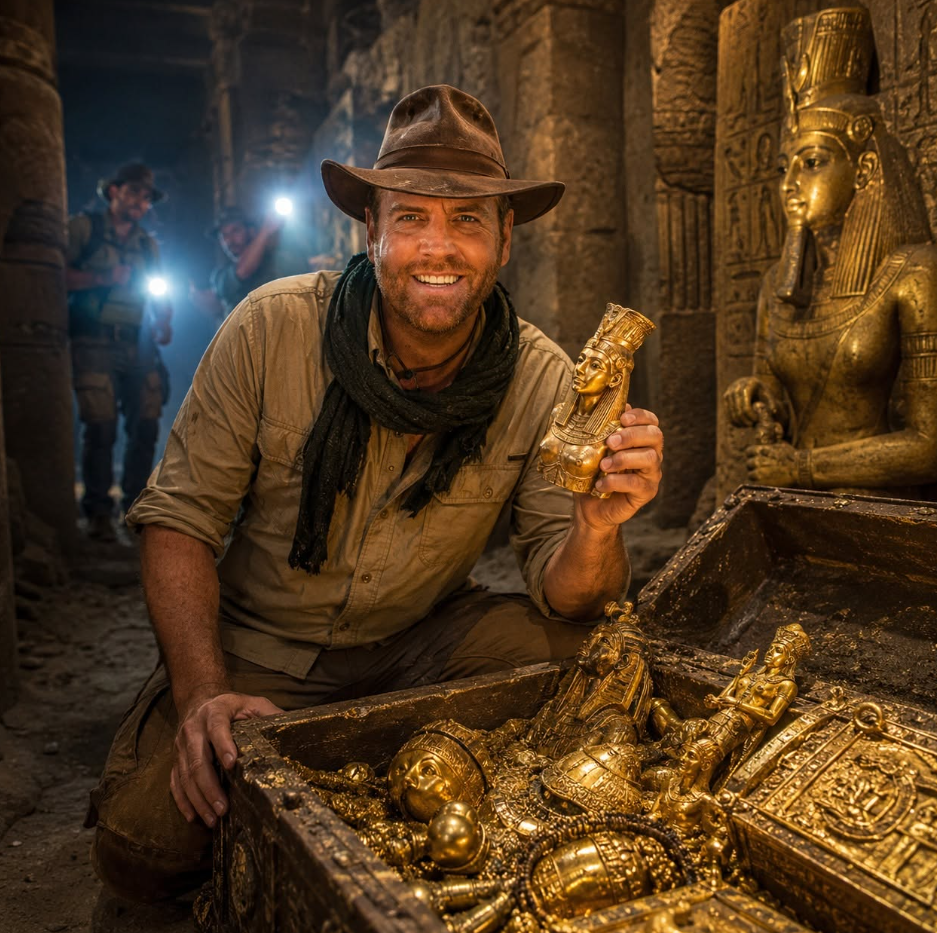
That is what makes the moment resonate so strongly with audiences. A discovery like this does not just satisfy curiosity. It creates wonder. It reminds people that ancient history is not dead, only waiting. The idea that gold artifacts and statues could sit hidden near Alexandria for centuries and still emerge with the power to stop people in their tracks is part of what makes archaeology so emotionally compelling. Every find carries the possibility of rewriting memory.
In the end, Cleopatra Discovery Near Alexandria is powerful because it feels like more than a find. It feels like a revelation. Whether the chamber ultimately transforms scholarship in a major way or simply adds new layers to an already famous story, the emotional effect is the same: history suddenly feels closer, richer, and more alive. And for Josh Gates, that is the kind of moment that defines a career built on chasing the unknown and bringing the past back into view.
