
Beneath the mesa at Skinwalker Ranch, every fragment of material can feel like a clue waiting to be understood. The latest focus on thin metal flakes recovered during drilling has drawn attention because the material appears unusual enough to make investigators slow down and take a closer look. These were not presented as a final answer to the ranch mystery, and no responsible analysis should treat them that way. Still, their layered appearance, metallic nature, and underground location make them difficult to dismiss as ordinary debris without careful testing. The discovery matters because it turns attention back to one of the ranch’s most debated questions: what is really hidden inside or beneath the mesa? For viewers following the investigation, the metal flakes do not close the case, but they may open a new and fascinating line of inquiry.
A Small Discovery Beneath a Very Large Mystery
The metal flakes became important because of where they appeared: beneath the mesa, one of the most closely watched areas of Skinwalker Ranch. For years, the mesa has been treated as more than a dramatic landscape feature, with investigators returning to it again and again when unusual readings, drilling challenges, or underground questions demanded attention. A discovery does not need to be large to become meaningful in this kind of investigation. Sometimes the smallest sample can create the biggest pause, especially when it comes from a location already surrounded by unanswered questions. That is why thin metallic flakes recovered from beneath the mesa quickly became a subject worth examining. They offered the team something physical to study, rather than another fleeting moment on a screen.
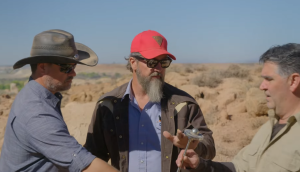
The drilling effort matters because it brings the mystery into the ground itself. Many ranch events involve signals, aerial observations, strange equipment behavior, or environmental readings that appear and disappear before anyone can fully understand them. Metal flakes are different because they can be collected, handled, magnified, analyzed, and compared against known materials. That does not make them extraordinary by default, but it does make them valuable. If a sample has unusual layers, unexpected composition, or signs of being engineered, investigators have a reason to ask where it came from and how it ended up underground. The discovery becomes less about spectacle and more about the careful process of separating ordinary explanations from possibilities that remain unclear.
The decision to stop drilling after finding strange metal would naturally raise questions for anyone watching the investigation. Stopping does not automatically mean the team found something dangerous, impossible, or world-changing. It may simply mean the material needed to be preserved, the equipment needed protection, or the next step required a more careful plan. In field investigations, pushing ahead too aggressively can damage samples or destroy context that later testing might need. That is why a pause can be just as important as a breakthrough. It gives scientists and investigators time to ask what the flakes are, whether they belong there, and what kind of testing could reveal the most reliable answers.
Why Layered Metal Beneath the Mesa Feels So Important
The reason the metal flakes stand out is not only that they are metallic, but that they appear to invite questions about structure and origin. Thin flakes can come from many ordinary sources, including machinery, drilling equipment, natural mineral deposits, past human activity, or contamination introduced during work at the site. A responsible interpretation has to keep those possibilities on the table. At the same time, if the flakes show unusual layering or unexpected composition, that would make them more interesting to investigators. Layering may suggest a manufactured process, a natural formation, or a combination that requires laboratory analysis to understand. Until those results are clear, the material remains a clue, not a conclusion.
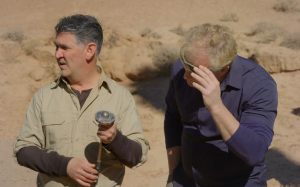
This is where the discovery connects to the larger mesa mystery. The mesa has often been discussed as a possible key to understanding unusual activity on the ranch, especially because questions about underground spaces, buried material, and difficult drilling conditions keep returning. If metallic flakes are found in a meaningful geological context, they could point to a history beneath the surface that has not yet been fully mapped. If they are connected to equipment or contamination, that would still be useful because it would help narrow the search and remove one false lead. Either outcome gives the investigation value. Good research is not only about finding the most dramatic answer; it is also about eliminating weak explanations until the stronger ones remain.
For audiences, the appeal of the metal flakes comes from the tension between the ordinary and the unexplained. On one hand, metal fragments can have simple sources, and the team should treat that possibility seriously. On the other hand, the location beneath the mesa makes the discovery feel more loaded with meaning than a random piece of debris found on open ground. The team may wonder whether the material could point to something buried, something fractured, or something left behind by earlier activity. Those ideas remain speculative and have not been established as fact. But they explain why the discovery has the power to keep people talking long after the drilling stops.
What Scientists Need to Learn Before the Mystery Moves Forward
The next stage of the story depends on analysis rather than assumption. Scientists examining metallic material would likely want to know its elemental composition, whether it contains common industrial metals, whether it shows signs of heat exposure, and whether its layered structure formed naturally or through manufacturing. Microscopic imaging could reveal whether the flakes were shaved off by drilling, broken from a larger object, or deposited in the ground over time. Chemical testing could compare the material to known alloys, minerals, or equipment components used during the investigation. Those steps may not produce a dramatic answer, but they would provide a stronger foundation than speculation. In a mystery this complex, reliable data matters more than a quick headline.
The discovery also matters because it could influence where the team looks next. If the flakes appear to come from the drilling process, investigators may adjust their methods to avoid contamination. If the flakes appear unrelated to the equipment, the team may decide to focus more attention on the exact depth and location where they were recovered. If the material shows unusual layering, it may encourage further scanning, sampling, or controlled excavation around the same area. Each possibility leads to a different investigative path. That is why the metal flakes are important even before anyone knows exactly what they are.
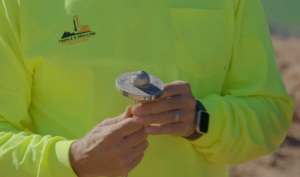
For now, the metal beneath the mesa remains one of those clues that makes Skinwalker Ranch so compelling without providing an easy answer. It is physical enough to study, strange enough to question, and unresolved enough to keep the debate alive. The flakes may eventually receive a conventional explanation, or they may point toward a deeper mystery inside the mesa. Either result would matter because both would help shape the investigation’s next move. What should be avoided is the temptation to turn uncertainty into certainty too quickly. The real power of this discovery is not that it solves the ranch mystery, but that it gives investigators another reason to keep digging carefully, testing patiently, and asking what the mesa may still be hiding.
