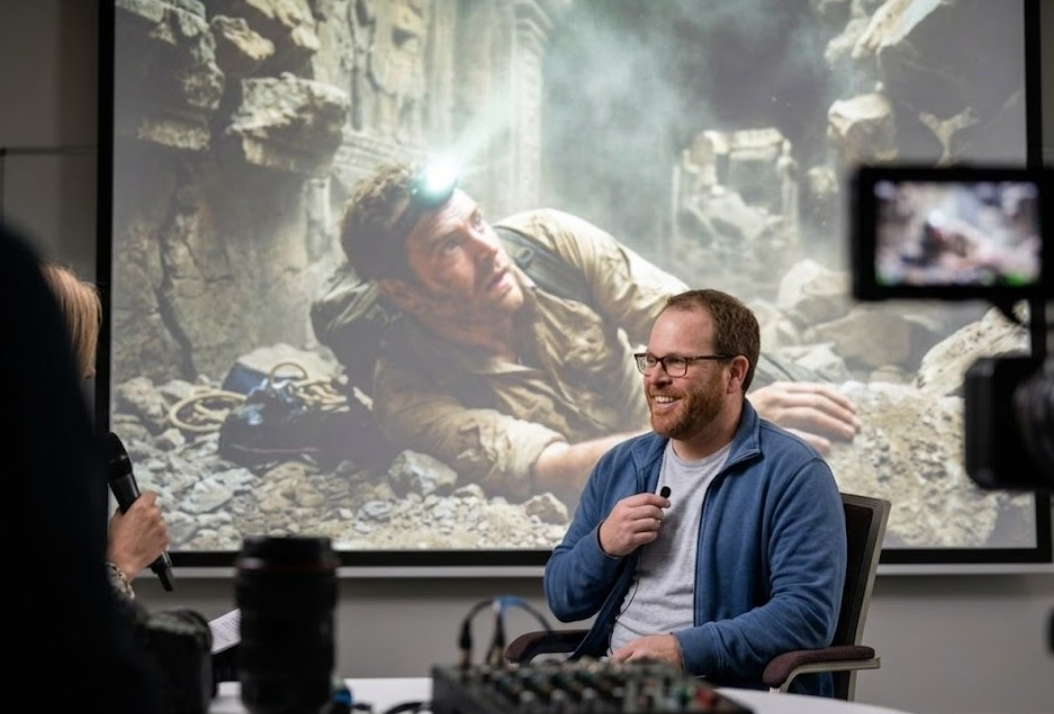
Josh Gates cave entombment turns into a terrifying survival story as the explorer opens up about the desperate final hours underground, the crushing silence inside the collapsed Zapotec cavern, and the moment hope almost disappeared.
Josh Gates Cave Entombment Became a Battle Against Time and Fear
Josh Gates cave entombment is the kind of story that turns an adventure into something far more raw, urgent, and unforgettable. What began as a routine exploration took a devastating turn when a sudden collapse sealed Josh Gates and his team inside a suffocating underground chamber. In the hours that followed, every second felt heavier than the last, as the world above turned into a distant memory and the cave became a place of dust, darkness, and uncertainty.
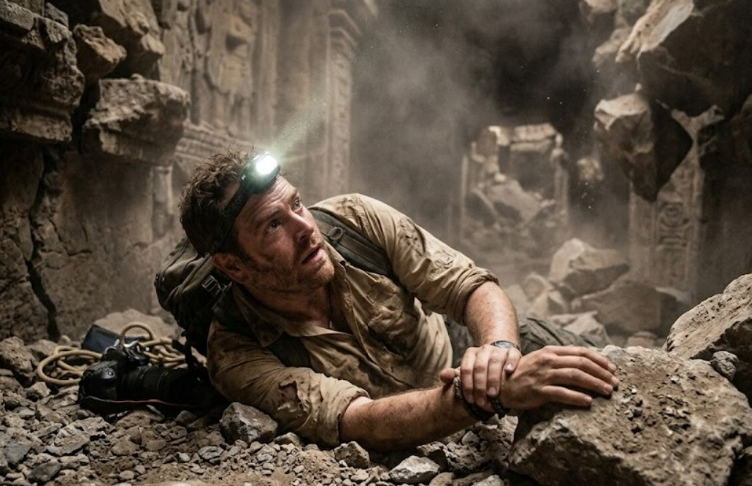
According to the emotional account surrounding the rescue, the final stretch underground was especially brutal. The air grew thin, the walls remained unstable, and the silence inside the cavern became almost unbearable. Gates reportedly reached a point where he believed they might never be found, a thought that added a chilling human dimension to an already terrifying ordeal. That single admission transformed the story from a rescue headline into something much more intimate: a survival experience marked by fear, endurance, and the fragile hope that someone, somewhere, was still searching.
What makes Josh Gates cave entombment so gripping is that it strips away the usual distance between audience and adventure. There is no polished version of survival here, only the reality of being trapped beneath layers of collapsed rock with no clear sense of time. In moments like these, the usual confidence of an explorer gives way to something far more vulnerable. The story becomes less about discovery and more about the instinct to keep going when everything else says stop.
The Desperate Final Hours Underground Changed Everything
The final hours of the collapse reportedly brought a level of emotional strain that even seasoned rescuers could only imagine. After days underground, exhaustion had begun to blur into panic, and every sound from outside the cavern carried enormous meaning. For Gates and the crew, each passing hour likely felt like a test of both physical survival and mental resilience. In that environment, hope is never loud. It is small, fragile, and often reduced to the simplest thought: keep waiting, keep breathing, keep believing.

That is what makes the quote, “I thought no one would find us,” so powerful. It captures the loneliness of entombment in a way that no technical report ever could. It reflects the psychological weight of being trapped in a place where rescue is possible, but never guaranteed. For the team, the darkness was not only physical. It was emotional, pressing in from every angle and forcing them to face the possibility that the outside world might not reach them in time.
At the same time, the rescue itself stands as proof that those final hours were not spent in vain. The effort required to bring Gates and the crew out alive was immense, and the fact that they survived makes every difficult minute underground feel even more dramatic in hindsight. The story resonates because it balances two truths at once: the fear of almost losing everything and the relief of being pulled back from the edge.
Why Josh Gates Cave Entombment Captures So Much Attention
Josh Gates cave entombment has captured so much attention because it feels bigger than a single rescue. It speaks to something universal: the fear of being forgotten, the hope of being found, and the powerful bond between people who survive impossible situations together. That emotional core is what gives the story its staying power. It is not just about a cave collapse. It is about what happens when human will is tested in total darkness.

For viewers, the appeal also lies in the contrast between adventure and vulnerability. Josh Gates is known for chasing legends, solving mysteries, and stepping into the unknown with confidence. But stories like this reveal the other side of exploration, where curiosity meets real danger and the line between discovery and disaster can disappear in an instant. That contrast makes the narrative unforgettable, because it reminds audiences that every expedition carries risks no camera can fully capture.
The rescue and recovery phase adds another layer of meaning. Walking out of the trauma center under his own power is more than a medical update. It is a symbol of survival, resilience, and the strange way tragedy can sharpen perspective. After such an ordeal, even ordinary things can feel extraordinary again: fresh air, steady ground, and the simple comfort of being seen by the outside world.
In the end, Josh Gates cave entombment is powerful because it gives a human face to a terrifying underground crisis. It turns a collapse into a story of endurance, fear into a story of survival, and a near-miss into a moment that people will remember long after the dust settles.
