
Royal Tombs of Cyprus are reshaping what historians thought they knew about the island, as Josh Gates uncovers traces of Greek and Egyptian influence inside burial chambers that suggest Cyprus was once far more connected to the ancient world than many realized.
Royal Tombs of Cyprus Reveal a Hidden Story of Cultural Blending
Royal Tombs of Cyprus do more than preserve the dead. They preserve a story of exchange, ambition, and identity that stretches across centuries. In the latest discovery linked to Josh Gates, the tombs have begun to reveal striking architectural details and artifacts that suggest Cyprus was never isolated from the wider Mediterranean world. Instead, it appears to have been a place where ideas, beliefs, and artistic traditions moved freely between civilizations, leaving behind a layered history written not in words, but in stone.
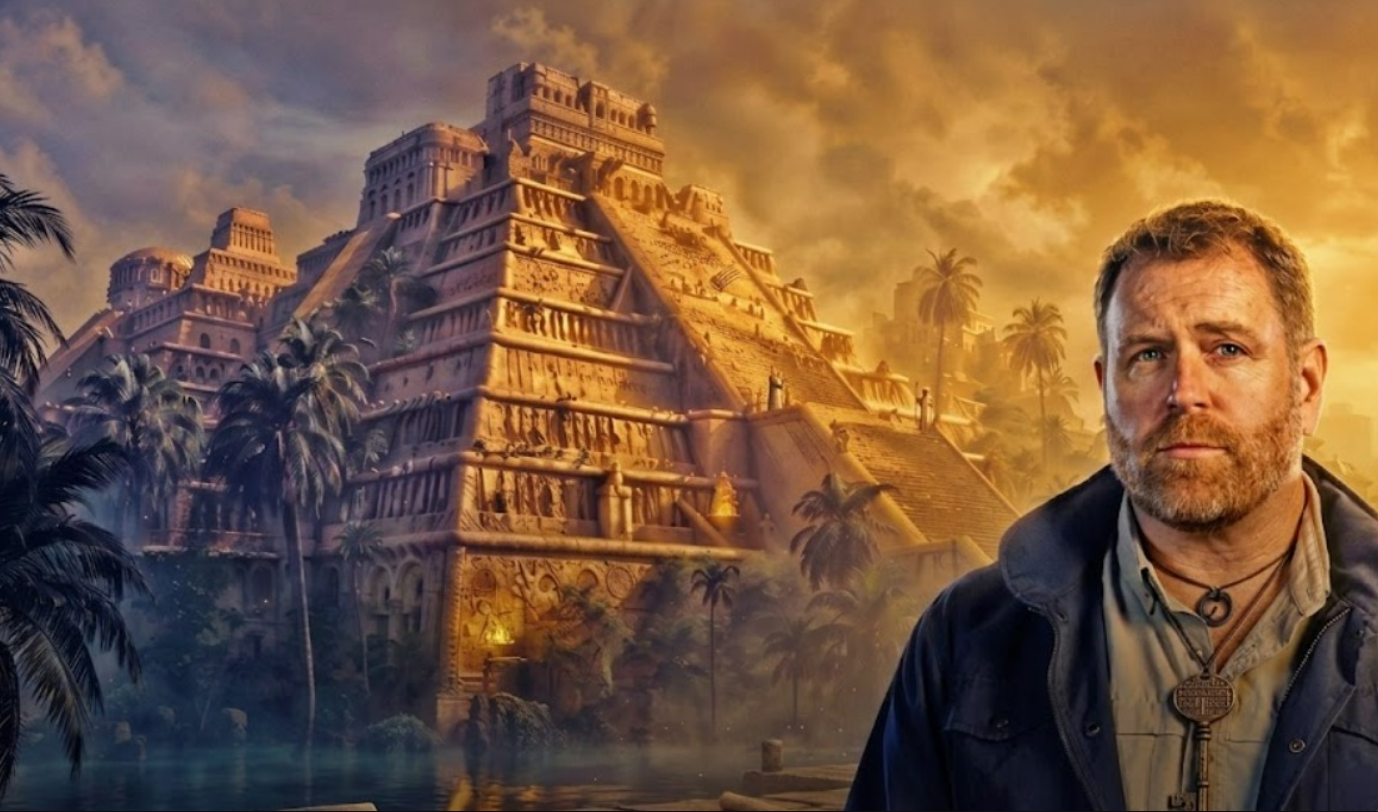
That is what makes the discovery so powerful. Tombs are often treated as final resting places, but these chambers feel more like meeting points between cultures. Greek influences appear in the structure and symbolic design, while Egyptian touches suggest a world of trade, contact, and shared imagination. The result is not a simple blend, but a rich conversation between ancient societies that saw Cyprus as more than a stop along the sea. They saw it as important enough to shape, claim, and remember.
For historians, that changes the emotional texture of the island’s past. Cyprus is no longer just a regional footnote. It becomes a living crossroads where power and belief collided. The Royal Tombs of Cyprus offer evidence that the island was woven into the fabric of Mediterranean history in ways that are still only beginning to be understood. And for viewers, that makes the story feel alive. It is not simply about old graves. It is about how civilizations leave fragments of themselves behind in places they once considered vital.
Josh Gates Follows the Clues Beneath the Stone
Josh Gates’ role in the discovery gives the story its human center. He has built a career on stepping into places where history is not fully settled, and the Royal Tombs of Cyprus fit that pattern perfectly. What begins as an archaeological investigation soon turns into something deeper: a search for meaning in the details left behind by people who lived between worlds. The architecture, the burial objects, and the ceremonial traces all suggest that these tombs were designed not just to house the dead, but to express status, identity, and connection to the wider ancient world.
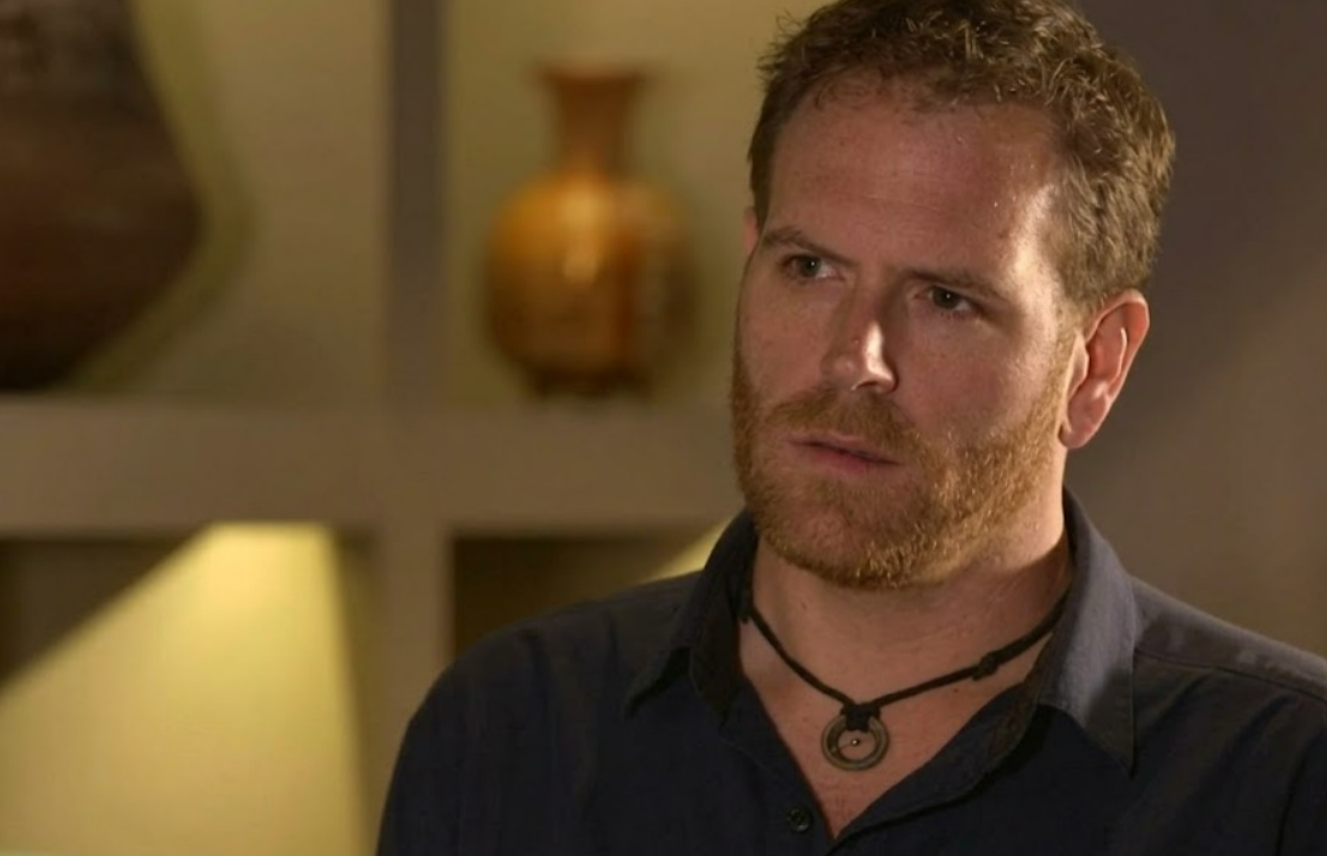
That is where the emotional pull of the discovery really begins. A tomb can tell you who was buried there, but it can also reveal what a society valued enough to bury with them. In Cyprus, the evidence appears to point toward a culture that drew from multiple traditions without losing its own identity. That kind of blending is what makes the site so fascinating. It suggests that ancient people were not as separated from one another as we sometimes imagine. They traded, adapted, borrowed, and built something new out of what they encountered.
Gates’ exploration gives that reality a face and a pace. He does not approach the tombs as static relics. He treats them like active clues, each one capable of changing how the story is told. That approach matters because the Royal Tombs of Cyprus are not just significant for what they show. They are significant for what they imply. They suggest a Mediterranean world that was more connected, more fluid, and more inventive than the old historical boundaries often allow.
Why the Royal Tombs of Cyprus Matter So Much Today
The reason the Royal Tombs of Cyprus resonate so strongly is that they force us to rethink the idea of ancient civilizations as separate, self-contained worlds. Cyprus appears instead as a place where cultures met and left marks on one another. Greek and Egyptian influence in the tombs is not just decorative. It is evidence of shared values, overlapping rituals, and a long history of exchange across the sea. That makes the island feel less like a distant outpost and more like a central player in the ancient Mediterranean story.
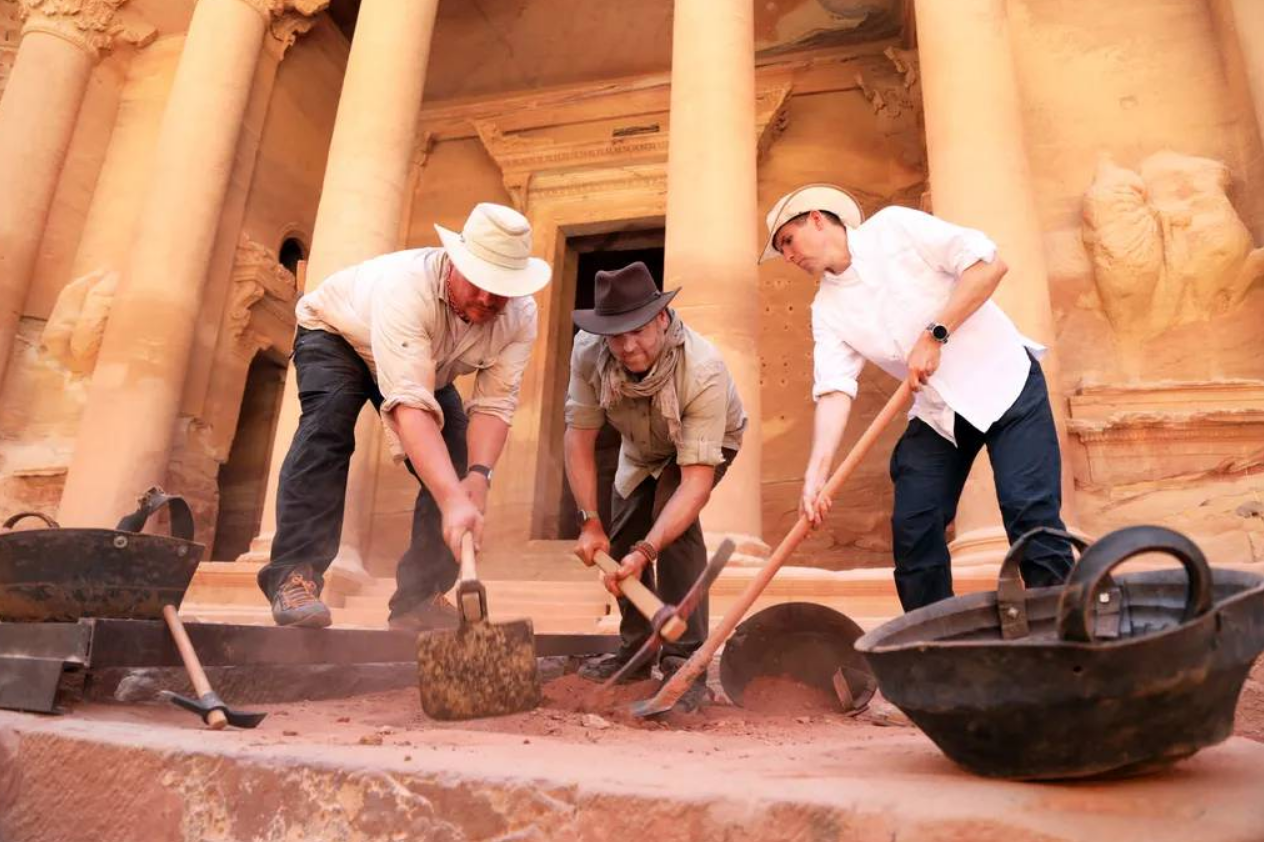
There is also something deeply moving about the fact that tombs can still alter our understanding of history. These are not grand political records or dramatic battlefield accounts. They are burial spaces, quiet and sealed, holding clues that survived because they were hidden away. That silence gives them power. It reminds us that the past does not always announce itself loudly. Sometimes it waits underground, in dust and stone, until someone patient enough comes to listen.
In the end, the Royal Tombs of Cyprus matter because they do what the best discoveries always do: they make the ancient world feel bigger, stranger, and more connected than before. Josh Gates’ work brings that truth into focus with warmth and curiosity, giving the story both momentum and heart. What these tombs still conceal beneath the stone may remain uncertain for now, but what they have already revealed is enough to change the conversation. Cyprus was not just a place between empires. It was a place where civilizations met, mixed, and left behind a legacy that is still unfolding today.
