
What looks like an ordinary church may have just become one of the most important stops in the Oak Island story. A strange goose-foot carving — a symbol linked to markings found across the Middle East, Europe, and even near Oak Island itself — is now pulling Rick and the team toward a bigger possibility: that the Knights Templar may have carried something west, step by step, until it reached the island. If that symbol is real, then Oak Island may not just be hiding treasure. It may be hiding the trail that led to it.
The Church That Looked Too Ordinary to Matter
At first glance, the church gives nothing away.
It stands quietly, almost modestly, the kind of place most people would walk past without thinking twice. But Oak Island has taught Rick one thing over and over again: the most dangerous clues are often the ones that look harmless. A symbol on a wall. A carving in stone. A marking that appears too simple to matter. That is how the mystery begins to sharpen.
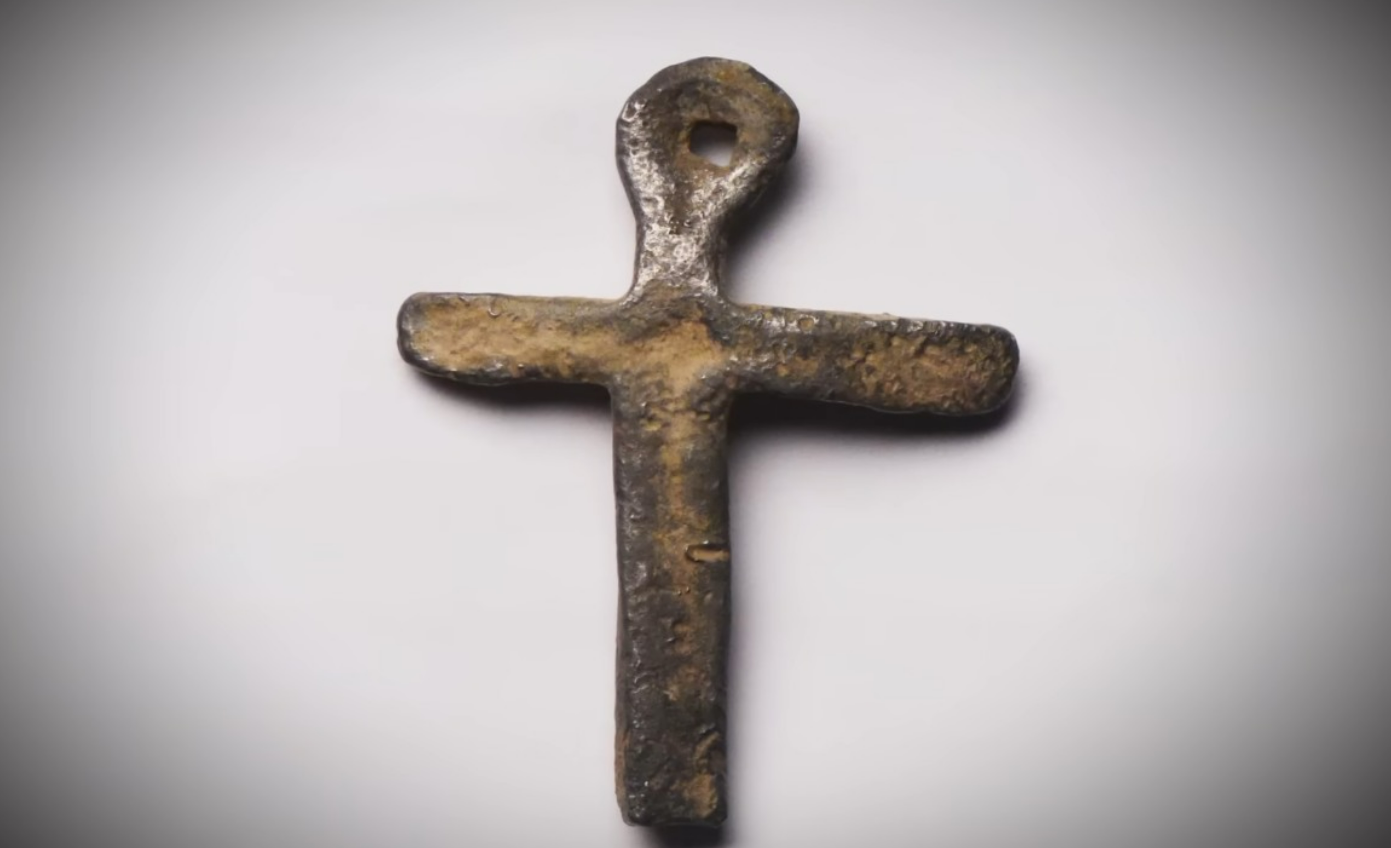
The goose-foot carving is what changed everything.
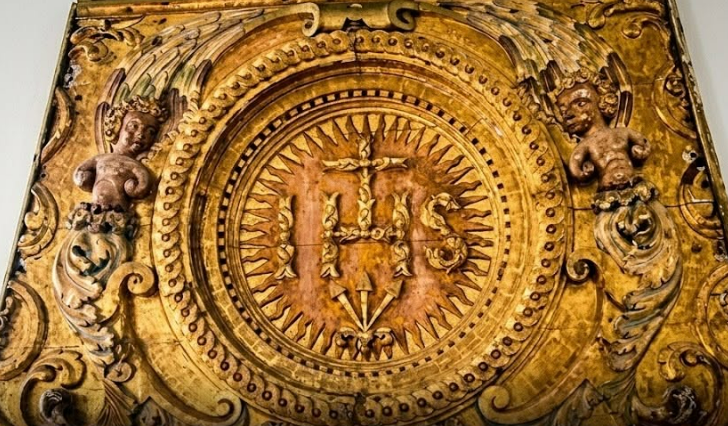
What makes it so unsettling is that it does not feel local, not entirely. It echoes a marking seen in the Middle East, in parts of Europe, and in places already connected to Oak Island theories. That kind of overlap is hard to ignore because it suggests movement, not coincidence. A symbol like this does not simply appear in one place and vanish from all others. It travels. It survives. It leaves a pattern behind.
And patterns are exactly what Oak Island has been hiding in plain sight for years.
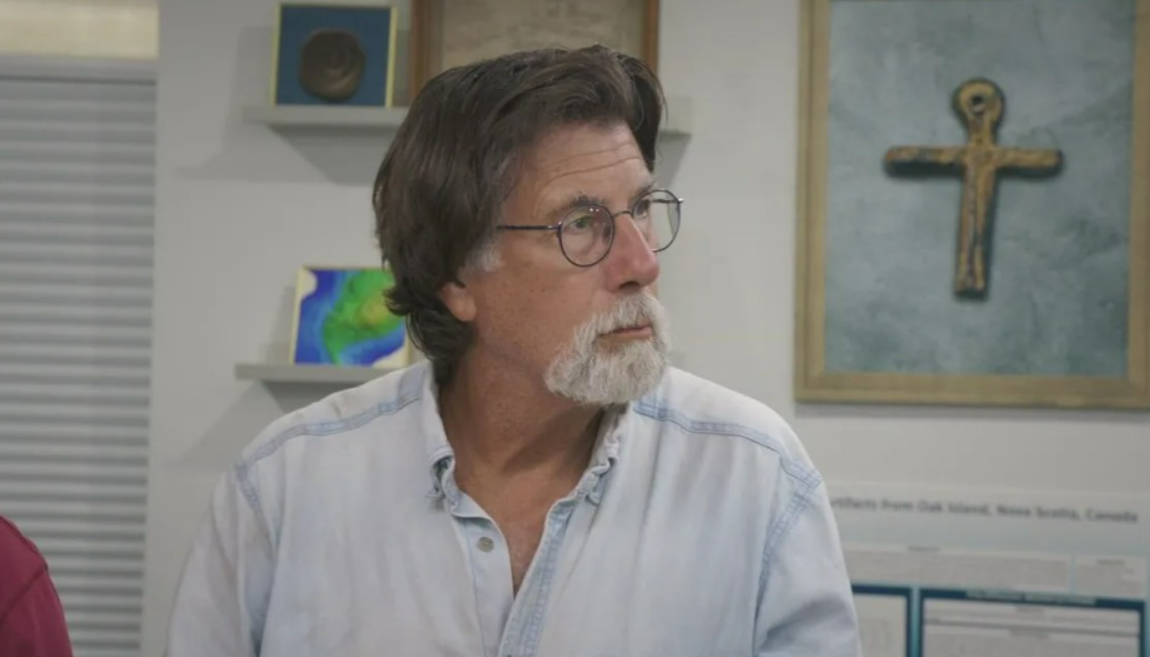
Rick’s attention to the carving gives the moment emotional weight. He does not look at it like a tourist. He looks at it like someone standing in front of a possible map. If the symbol is connected to a Templar route, then the church is not just a building. It is a waypoint. A pause in a larger movement across the Atlantic, one that may have carried something precious, sacred, or heavily protected.
That possibility gives the scene a strange stillness. Because suddenly the church does not feel ordinary at all.
It feels like it has been waiting.
The Goose-Foot Symbol May Be a Trail, Not a Decoration
The strongest part of the theory is that the symbol may be more than decorative.
On Oak Island, symbols always carry pressure. They are rarely just art. They are signs, markers, warnings, or clues left by people who expected someone else to come looking later. The goose-foot carving appears to fit that same logic. It resembles markings seen in other locations tied to the Templar mystery, and that creates a line of thought Rick cannot ignore: what if this symbol was part of a route?
A route to where?
That is the question that makes everything electric.
If the Knights Templar moved west with something important — treasure, relics, records, or a protected object of great value — then a symbol like this could have functioned as a breadcrumb. A way to track movement. A way to confirm a stop. A way to identify a place where the trail continued. That would explain why the carving matters so much. It is not just evidence of a presence. It is evidence of intention.
And intention is where the Templar theory becomes powerful.
Because if the symbol appears near Oak Island and at locations far beyond it, then the mystery may no longer be about one isolated island. It may be about a larger chain of protected sites, each one marking the westward movement of people carrying something they would not allow to be lost.
That is why the goose-foot carving feels so important. It could be the missing piece not because it answers everything, but because it connects everything.
A symbol only matters when it points somewhere.
And this one seems to point directly toward Oak Island.
If the Symbol Is Real, the Island’s Story Changes Completely
This is where the emotional weight of the discovery really lands.
For years, the Oak Island search has balanced between hope and frustration. Treasure hunters, historians, and viewers have all tried to decide whether the island is a hoax, a vault, or something far stranger. But if the goose-foot symbol really connects the church to a westward Templar trail, then the story changes from “what was buried here?” to “who was carrying it here, and why?”
That is a much bigger question.
Because it suggests movement with purpose. Protection with purpose. Secrecy with purpose. The Templars would not have left clues casually. If they used symbols like the goose-foot carving to mark a path, then Oak Island may have been the final destination of a journey that began far away and was never meant to be understood in a single lifetime.
Rick’s theory gives the scene emotional force because it frames the church as more than a clue. It becomes a witness. A place that may still remember the route west. A place that may have preserved a symbol long enough for the right eyes to find it. And if that symbol is the missing piece, then the island may finally be moving from speculation to structure.
That is the difference.
Not just another theory.
A structure.
A trail.
A reason.
And on Oak Island, reasons matter more than anything else.
Because once a symbol starts connecting the Middle East, Europe, and Nova Scotia, the island stops feeling like a random hiding place and starts feeling like the endpoint of something much older and much more deliberate.
If the goose-foot carving truly belongs to the Templar path, then Oak Island may not just be protecting treasure.
It may be protecting the last surviving sign of how that treasure got there in the first place.
