
Some expeditions are driven by the promise of discovery. Others are guided by something far more profound—the responsibility to remember. In the latest episode of Expedition Unknown, Josh Gates embarks on one of the most emotionally significant investigations of his career, descending into the waters of Subic Bay in the Philippines to explore the wreck of the Ōryoku Maru, a Japanese transport ship whose tragic wartime history continues to resonate more than eighty years later. Unlike treasure hunts or searches for legendary artifacts, this mission is rooted in remembrance, historical truth, and respect for those who endured unimaginable suffering. Beneath the shifting currents and layers of the sea lies a site that serves not only as an archaeological time capsule but also as a solemn memorial. As Gates and his team begin their underwater investigation, the expedition becomes a powerful reminder that some of history’s greatest discoveries are measured not by what is recovered, but by the stories they help preserve.
A Mission That Goes Beyond Underwater Exploration
Throughout Expedition Unknown, Josh Gates has traveled across continents in search of lost civilizations, legendary relics, and forgotten chapters of history. Yet few investigations carry the emotional weight of the Ōryoku Maru.
Sunk during the closing months of World War II, the vessel is remembered as one of the so-called “hell ships” used to transport Allied prisoners of war under devastating conditions. Many American and Allied POWs lost their lives during the voyage, and the wreck has since become both an important historical site and a place of remembrance.
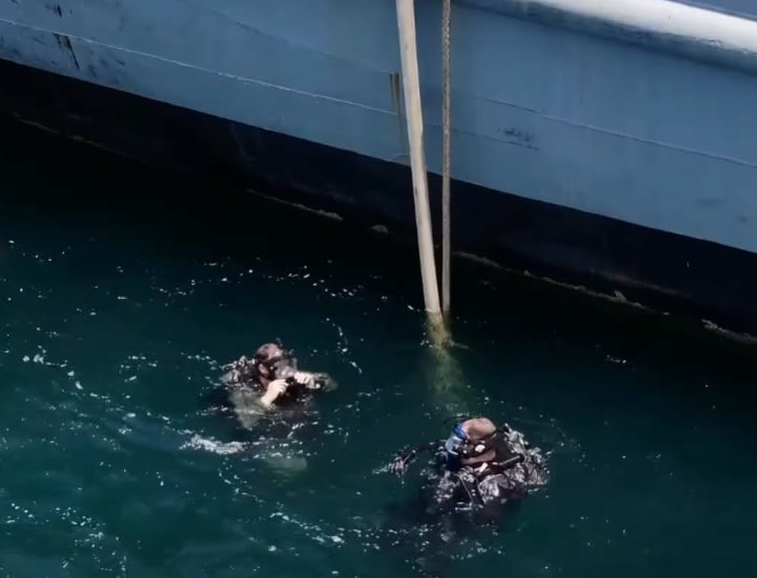
The latest expedition takes Gates and his team beneath the often challenging waters of Subic Bay, where limited visibility, shifting currents, and the fragile condition of the wreck demand extraordinary care. Every dive is planned with precision, balancing archaeological documentation with the responsibility of working at a site that may contain human remains and deeply personal traces of those who never returned home.
Rather than approaching the wreck as a conventional underwater excavation, the investigation focuses on understanding the ship’s history, documenting its current condition, and exploring how modern marine archaeology can contribute to preserving the memory of those connected to it.
That distinction is important.
The Ōryoku Maru is not simply another shipwreck. It is widely regarded as a maritime war grave, meaning that every stage of the expedition requires sensitivity, ethical consideration, and close attention to the historical significance of the site.
Why the Ōryoku Maru Still Holds Such Powerful Meaning
World War II left countless stories scattered across oceans, forests, deserts, and battlefields around the world. While many have been carefully documented, others remain hidden beneath the sea, waiting for technology and historical research to bring them back into public awareness.
The investigation of the Ōryoku Maru is compelling not because it promises dramatic revelations, but because it reconnects viewers with a chapter of history that deserves continued remembrance.
As Gates and the team examine sections of the wreck, each structural detail and surviving artifact contributes to a broader understanding of what occurred during the ship’s final voyage. Some findings may help illustrate the conditions aboard the vessel or provide additional historical context for researchers. At the same time, many questions surrounding individual experiences and the full extent of the tragedy may never be completely answered.
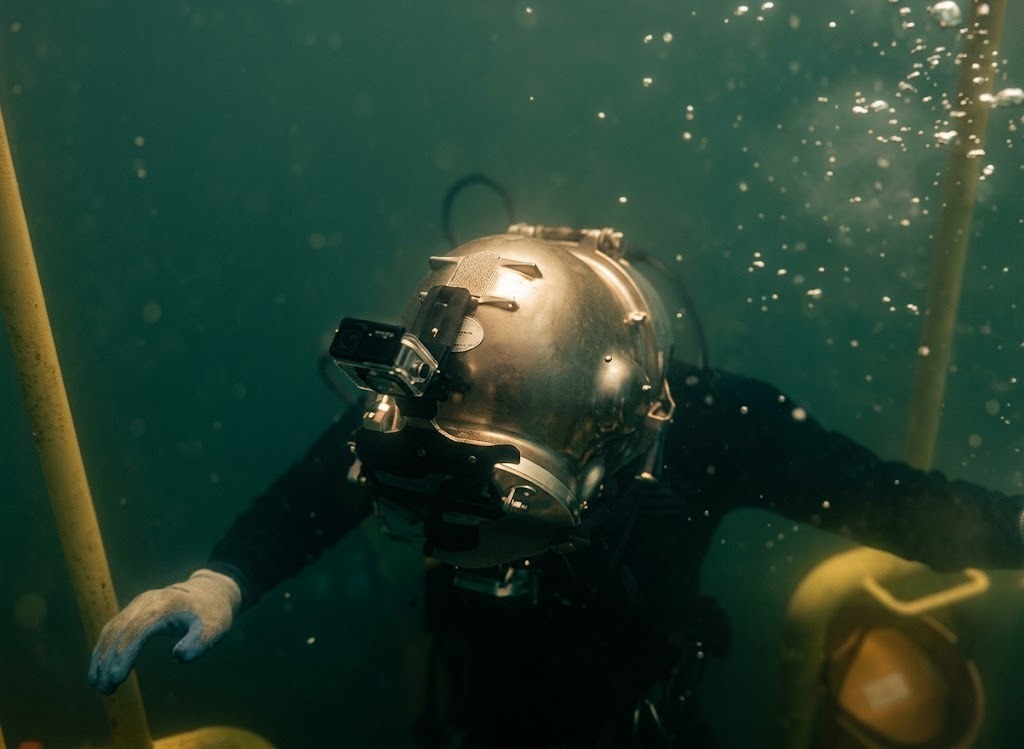
That uncertainty is part of what gives the expedition its emotional impact.
Rather than presenting speculation as fact, the investigation acknowledges the limits of the available evidence while emphasizing the importance of preserving what can still be documented. Any observations made during the dives are carefully considered within the broader historical record, recognizing that archaeological interpretation often develops gradually as new information becomes available.
The episode also highlights an important truth about maritime archaeology. Beneath every famous shipwreck lies not only engineering and history, but also deeply personal human stories. In this case, the focus extends beyond the vessel itself to the lives forever connected to it.
Remembering the Past Is the Expedition’s Greatest Discovery
One of Josh Gates’ greatest strengths as an explorer has always been his ability to place people at the center of every historical investigation. Whether searching for ancient civilizations or examining wartime sites, he consistently reminds audiences that history is ultimately about those who lived through it.
The exploration of the Ōryoku Maru reflects that philosophy in its purest form.
This is not an expedition driven by the search for treasure or sensational headlines. Instead, it is an effort to document, understand, and honor a site that continues to hold profound historical and emotional significance. Every descent beneath the surface becomes an act of remembrance as much as one of exploration.
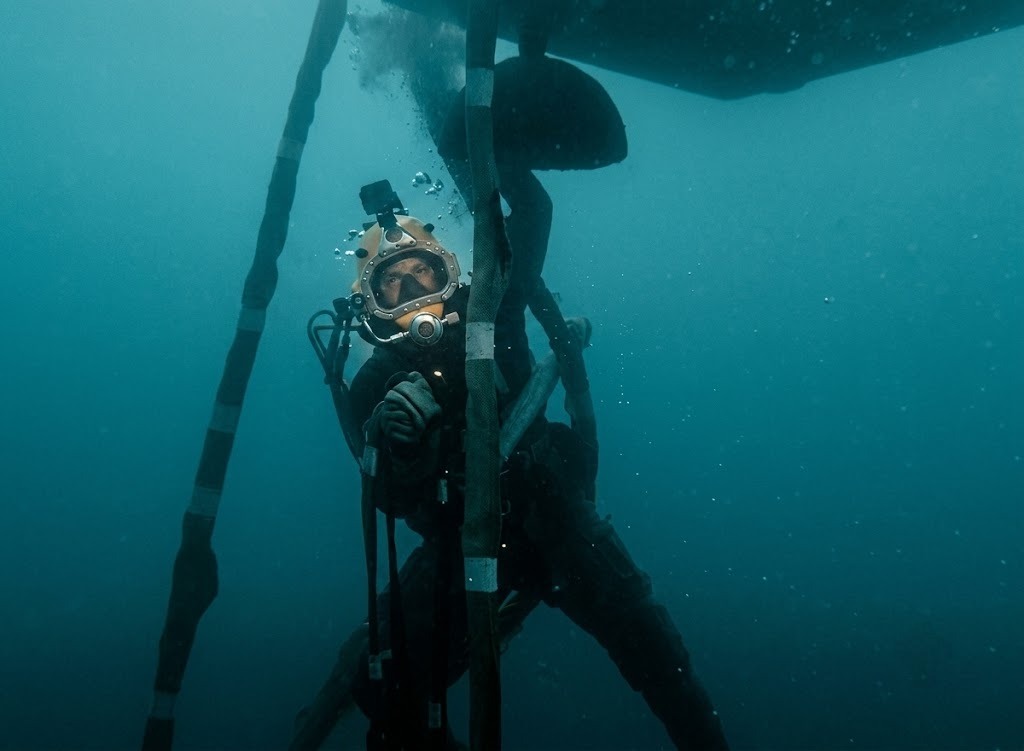
It also demonstrates how advances in underwater technology are allowing researchers to revisit historically important locations with greater precision than ever before. High-resolution imaging, careful mapping, and modern diving techniques provide opportunities to learn more while minimizing disturbance to fragile underwater environments.
Even so, much about the wreck and the individual stories connected to it remains beyond complete historical recovery. Some questions may never receive definitive answers, and that reality is respectfully acknowledged throughout the investigation.
Perhaps that is what makes this episode of Expedition Unknown so memorable.
Rather than seeking to solve a mystery, it seeks to preserve memory.
Rather than chasing legend, it confronts history.
And rather than measuring success solely by what is discovered on the ocean floor, it reminds us that the greatest achievement of historical exploration is sometimes ensuring that the sacrifices of the past are never forgotten.
As Josh Gates and his team continue their work beneath the waters of Subic Bay, the Ōryoku Maru stands not only as a remarkable archaeological site but also as a lasting testament to resilience, remembrance, and the enduring importance of telling stories that history must never allow to fade.
