
Jeremy Clarkson has never been afraid to shout, swear, mock, joke or charge headfirst into disaster. But ahead of the final two episodes of the new season of Clarkson’s Farm, the mood around Diddly Squat has changed. What began as another chaotic chapter of broken machinery, stubborn animals and pub problems has taken a far more emotional turn — and Clarkson’s “very difficult news” may leave fans seeing the farm in a completely different light.
The Laughs Suddenly Stop at Diddly Squat
For years, Clarkson’s Farm has thrived on the same strange formula: Jeremy Clarkson makes a wild decision, Kaleb Cooper reacts in disbelief, Charlie Ireland quietly counts the cost, and Lisa Hogan somehow keeps the whole circus moving. Season 5 has given fans plenty of that familiar chaos. There have been new ideas, big machinery, troublesome livestock, pub headaches and Clarkson’s usual belief that a ridiculous plan might just work if everyone else stops complaining.
But this time, something feels different.
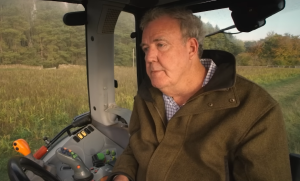
The new season has not simply been about Clarkson trying to make Diddly Squat bigger, louder or more profitable. It has shown a man under pressure from almost every direction. His health scare at the beginning of the season cast a shadow over the usual comedy. The farm needed to become less stressful, yet every new solution seemed to create another problem. The pub, The Farmer’s Dog, brought excitement and opportunity, but also endless demands. The animals brought warmth, but also heartbreak. Even technology, which was supposed to make life easier, arrived with its own brand of chaos.
That is why Clarkson’s sombre announcement before the final two episodes has landed so heavily with fans. Viewers are used to seeing him frustrated. They are used to seeing him angry. They are even used to seeing him humiliated by farm life. But seeing him emotional is something else entirely.
A Season Built on Pressure, Loss and Uncomfortable Reality
Season 5 has pushed Clarkson’s Farm further away from being a simple celebrity experiment. Diddly Squat is no longer just the place where Jeremy Clarkson learns how little he knows about farming. It has become a symbol of what British farmers are dealing with: rising costs, political pressure, brutal weather, animal welfare problems, unpredictable markets and the constant fear that one bad decision can wipe out months of work.
The episodes have followed Clarkson as he tries to modernise the farm with high-tech machinery and autonomous equipment. On paper, that sounds like progress. On screen, it becomes another reminder that farming cannot be fixed with gadgets alone. Machines can plant, scan and calculate, but they cannot remove the emotional cost of losing money, losing animals or watching a plan collapse in real time.
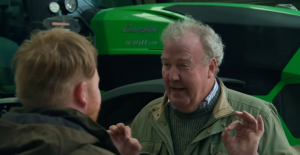
The pig storyline has been one of the clearest examples. Fans had already seen Clarkson struggle with the financial reality of keeping pigs, leading to painful decisions that stripped away some of the comedy. The reveal that Richard Ham remained at Diddly Squat gave viewers a small emotional lift, especially with the arrival of a new companion, James Boar. But even that joke carried a sadness beneath it. The names were funny, the Top Gear connection was classic Clarkson — yet the reason behind it all was painfully real.
That is the secret power of Clarkson’s Farm. It makes people laugh, then quietly reminds them that behind every joke is a farmer trying not to lose everything.
Why the Final Episodes May Hit Fans Hardest
The final two episodes arrive with more than just curiosity. They arrive with expectation, worry and a strange sense of dread. The season has already hinted that more trouble is coming, including problems involving livestock and the continued strain of running both the farm and the pub. For fans, the question is no longer simply whether Clarkson can make Diddly Squat profitable. It is whether he can keep carrying the emotional weight of it all.
That is why his “very difficult news” feels so powerful. Clarkson built his public image on being loud, stubborn and almost impossible to embarrass. Yet farming has done something television, politics and controversy rarely managed to do: it has made him vulnerable. At Diddly Squat, there is nowhere to hide. If an animal is sick, the cameras see it. If a business idea fails, the accounts show it. If Jeremy is exhausted, angry or close to tears, the audience knows.
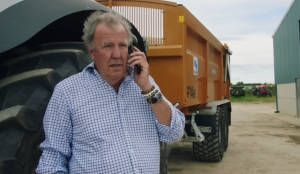
For longtime fans, this is exactly why the show matters. It is not polished farming propaganda. It is messy, funny, frustrating and sometimes devastating. Kaleb may still deliver the blunt one-liners. Charlie may still look like he is mentally calculating disaster every five seconds. Lisa may still bring her own unpredictable energy to the farm. But at the centre of it all is Clarkson, discovering that farming does not care how famous you are.
As the final episodes drop, Diddly Squat is no longer just preparing for another season finale. It is preparing for a moment that may define the whole series. The laughs will still be there, because this is Clarkson’s Farm. But this time, fans may need to brace themselves. Jeremy Clarkson came to the countryside thinking he could conquer it.
Now, Diddly Squat may be the place that finally breaks his heart
