
Hofuku Maru has finally surfaced from history’s darkest waters as Josh Gates and an international team uncover the resting place of the tragic WWII hellship, bringing long-awaited answers to families who have waited for decades.
Hofuku Maru Emerges as a Painful Chapter of History Finally Comes Into View
Hofuku Maru is more than a shipwreck. It is a resting place, a memory, and a wound that never really healed for the families tied to the men who disappeared with her. After more than 80 years on the ocean floor, the story of the tragic WWII hellship has taken on a new emotional force as a historic expedition, led by Josh Gates and international experts, reportedly used next-generation sonar to locate the long-lost vessel. For many, this is not just a discovery. It is the first real chance in generations to see a painful chapter of history brought into the light.
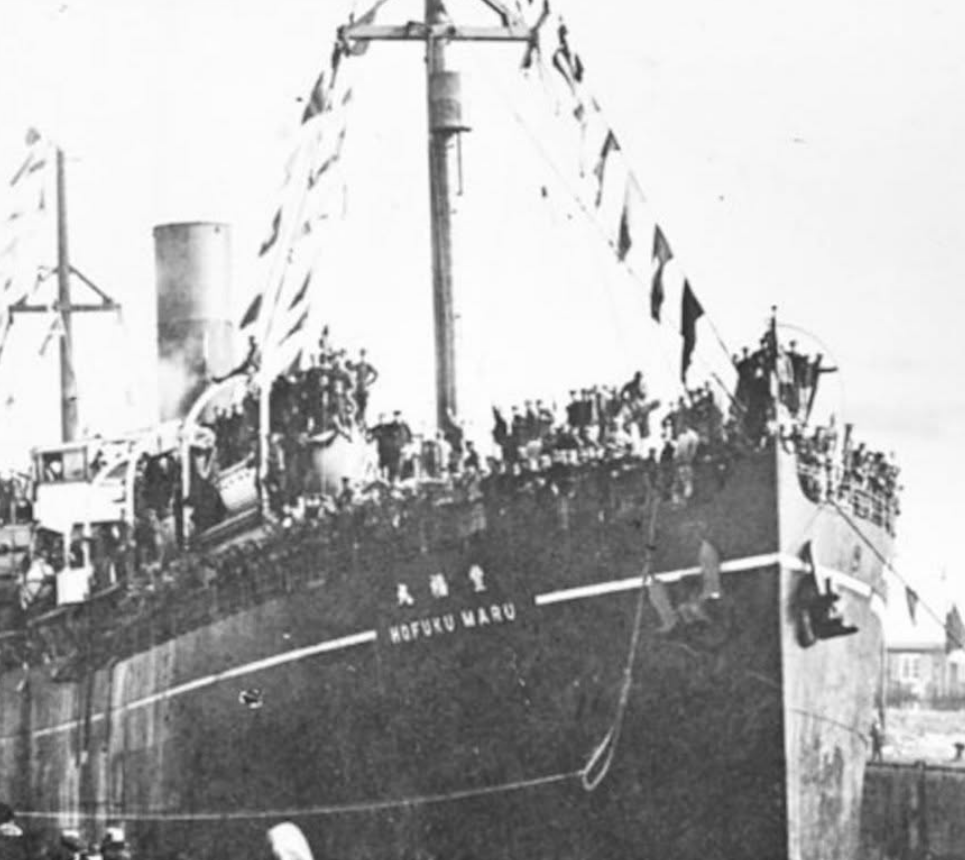
That is what makes this story so powerful. Shipwrecks often carry mystery, but Hofuku Maru carries grief. Known in wartime memory as one of the feared “hellships,” it represents a brutal period when lives were pushed to the edge and so many never came home. The ocean has held that silence for decades, hiding the truth beneath layers of darkness and pressure. Now, with the ship finally located, the silence begins to break in a way that feels both historic and deeply human.
What gives this moment emotional weight is the sense that discovery and remembrance are happening at the same time. The search is not about treasure. It is about answers. It is about giving form to loss and a location to the stories that have lived only in family memory. That is why Hofuku Maru matters so much. It reminds us that history is not always distant. Sometimes it is waiting at the bottom of the sea, where it has been quietly holding the grief of an entire generation.
Josh Gates and the Search Beneath the Deep Turn History Into Something Personal
Josh Gates has spent much of his career chasing mysteries, but the search for Hofuku Maru carries a different kind of gravity. The technology may be modern, the sonar may be advanced, but the emotional center of the story is timeless. Families who have waited for nearly a century are not looking for spectacle. They are looking for closure, for confirmation, for some physical trace that says the people they lost were real, remembered, and never forgotten. That transforms the entire mission into something far more intimate than a typical exploration.
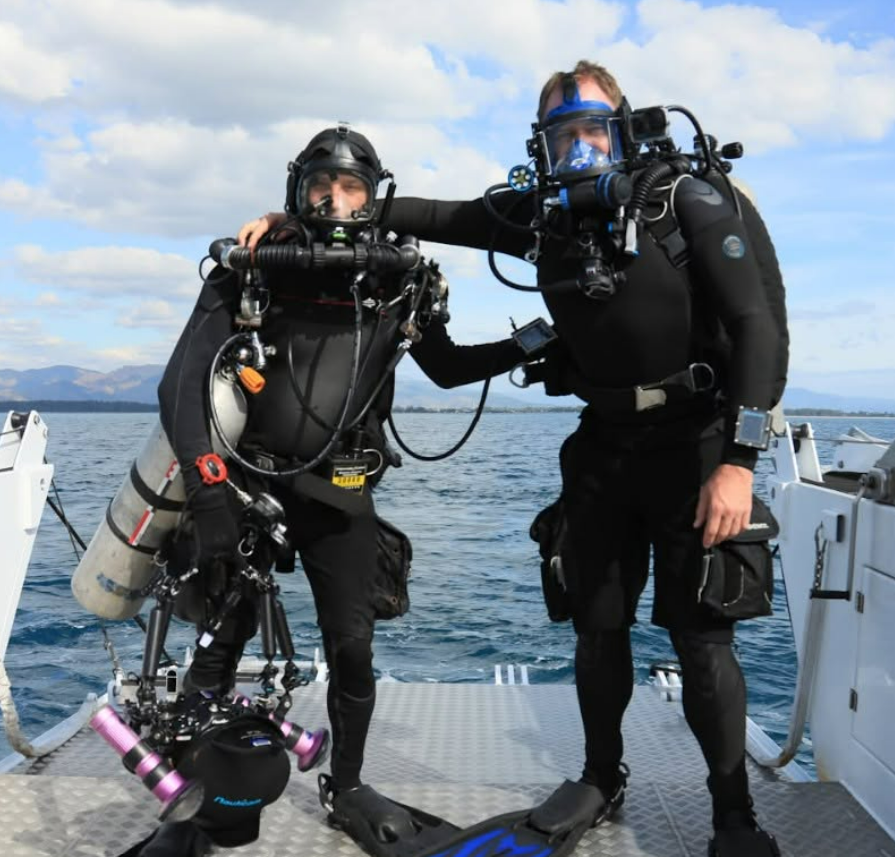
There is a quiet power in the fact that a ship can sit hidden underwater for so long while carrying the emotional burden of so many lives. Each beam, each rusted surface, each shadow on sonar becomes part of a larger act of witness. Gates’ role in that process gives the story its human rhythm. He is not merely identifying a wreck. He is helping open a door between the present and a trauma that has been sealed away by time. That is the kind of work that makes exploration feel meaningful beyond the camera.
Hofuku Maru also brings out the best kind of tension in historical storytelling. The audience is not simply wondering where the ship is. They are wondering what it means to find it now, after all this time. The answer is not only in the structure itself, but in the emotional response it triggers. A discovery like this can reframe history, but it can also soften the edges of a long silence. For families, that is everything. For Gates, it is another reminder that the most powerful discoveries are often the ones that give people back a piece of their own story.
Why the Hofuku Maru Discovery Feels So Lasting
Hofuku Maru stands out because it is not the kind of mystery that ends when the wreck is found. In many ways, that is only where the real meaning begins. The ship’s discovery offers historians a chance to study, confirm, and preserve a difficult chapter of World War II history. But it also offers something harder to measure: a sense of return. Return to memory, return to truth, and return to the names and faces that history too often leaves behind.

That emotional pull is what makes the story linger. It is not just about advanced sonar or a dramatic underwater search. It is about the human need to know where loss ended up. The ocean can hide many things, but it cannot erase the longing of people who have waited for answers. That is why a ship like Hofuku Maru can still matter so much after eight decades. It carries with it not only the weight of war, but the dignity of being found.
In the end, this discovery feels important because it does more than reveal a wreck. It restores a conversation between the past and the present. Josh Gates and the international team may have located a ship, but what they truly surfaced was memory — raw, painful, and long overdue. And that is why Hofuku Maru will stay with people long after the footage fades. It is not just a find at the bottom of the sea. It is a reminder that some stories deserve to be heard, even after eighty years of silence.
