
Ancient Underwater Arch Off Gujarat Coast has opened a dramatic new chapter in underwater exploration as Josh Gates and Indian marine archaeologists uncover a massive stone gateway beneath the Indian Ocean, where glowing inscriptions and strange luminescence suggest a lost civilization may still be waiting to be understood.
Ancient Underwater Arch Off Gujarat Coast Reveals a Discovery Unlike Anything Seen Before
Ancient Underwater Arch Off Gujarat Coast sounds like the beginning of a legend, but in this story it becomes the center of a discovery that feels almost too extraordinary to be real. At a depth of roughly 40 meters beneath the waters off Gujarat, near the historic Gulf of Khambhat, Josh Gates and a team of Indian marine archaeologists reportedly came face to face with a massive stone arch that looked less like a random ruin and more like a city gate frozen in time. Even before the lighting tests began, the structure carried a strange emotional force. It stood there beneath the sea as if it had been waiting for centuries to be noticed.
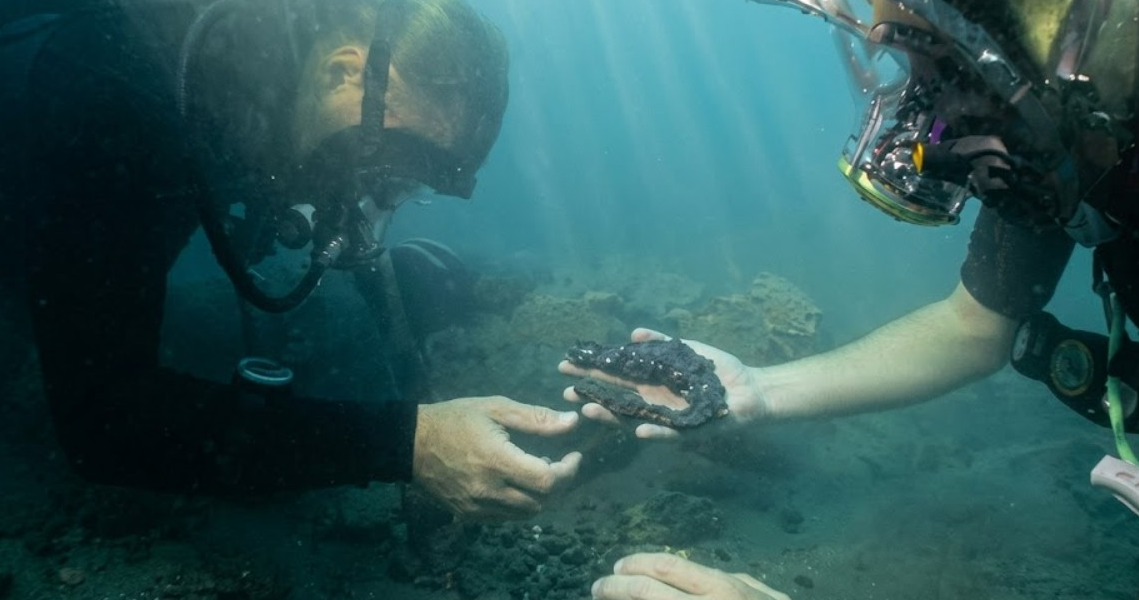
What makes this moment so compelling is the atmosphere around it. Underwater archaeology already has a kind of quiet drama to it, because every find emerges from darkness, pressure, and silence. But this arch was different. It was not simply visible on sonar or suggested by sediment patterns. It had shape, presence, and scale. It looked intentional. That alone makes the discovery feel more human and more haunting. A gate is never just a stone shape. It is a threshold. It suggests arrival, departure, protection, and the possibility that something once important stood on the other side.
The emotional pull of Ancient Underwater Arch Off Gujarat Coast comes from that sense of crossing into a story we were never meant to see this way. When a submerged structure begins to resemble a gateway to a forgotten world, the imagination naturally rushes ahead of the evidence. And that is exactly why the discovery resonates so strongly. It does not just hint at history. It invites the feeling that history may still be alive beneath the water, holding its breath until the right people come close enough to listen.
The Luminescent Inscriptions Turn the Find Into Something Even More Mysterious
The most astonishing part of the discovery is what happened when the team illuminated the arch with UV and blue laser light. According to the premise, the structure responded with brilliant luminescence, revealing intricate inscriptions that seemed to echo ancient Devanagari forms. That detail changes everything. A stone arch is impressive enough on its own, but an underwater structure that appears to glow and reveal hidden markings begins to feel less like a ruin and more like a message. It suggests intention, design, and a level of sophistication that immediately raises deeper questions.
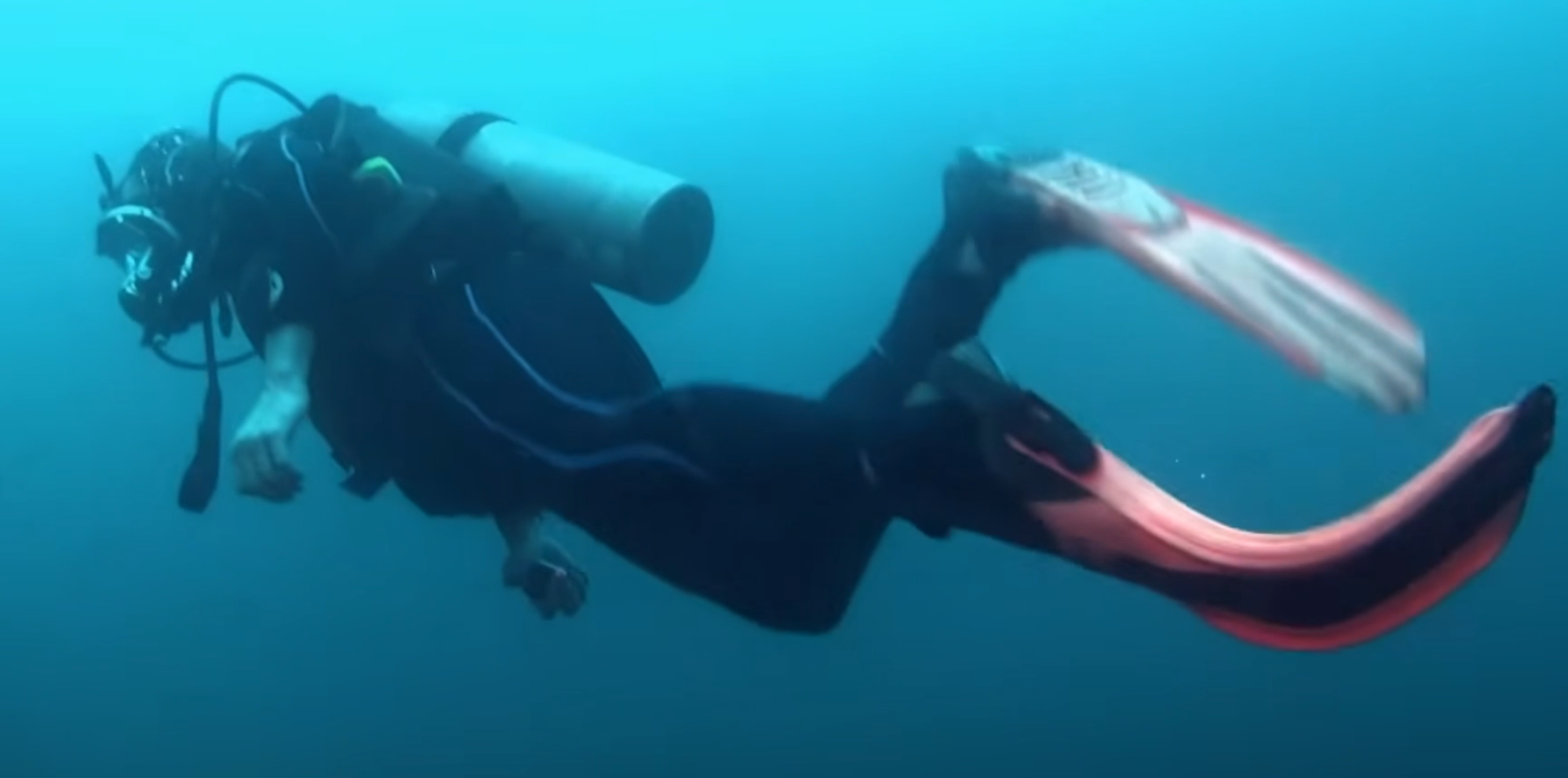
That is what gives Ancient Underwater Arch Off Gujarat Coast such magnetic power. It is not just the size of the structure. It is the sense that the structure is communicating. If the inscriptions are real and meaningful, then this is no longer merely a geological oddity or a submerged architectural remnant. It becomes evidence that someone once built, carved, and perhaps protected this place with knowledge that modern tools are only now beginning to uncover. The effect is mesmerizing because it turns the underwater chamber into a kind of dialogue between ancient craftsmanship and modern science.
Josh Gates has always been effective in stories like this because he knows how to balance wonder with restraint. He does not sell the mystery too hard, and that makes the mystery stronger. In a moment like this, the audience feels the emotional weight of discovery without losing the tension of uncertainty. What does the glow mean? Are the inscriptions truly ancient? Could the structure belong to a civilization we have not fully understood? Those unanswered questions give the story its heartbeat. The arch does not simply shine. It challenges.
Why the Gujarat Discovery Feels So Important to the Archaeological World
The reason Ancient Underwater Arch Off Gujarat Coast feels so significant is that it touches one of archaeology’s most powerful dreams: the possibility that a submerged site may still rewrite history. If the arch is part of a previously unknown ancient settlement or advanced maritime culture, then the implications are enormous. It would mean that the ocean has been hiding evidence of a world that was more complex, more connected, and possibly more technologically capable than anyone expected. That kind of possibility is what keeps archaeologists awake at night and explorers moving forward.
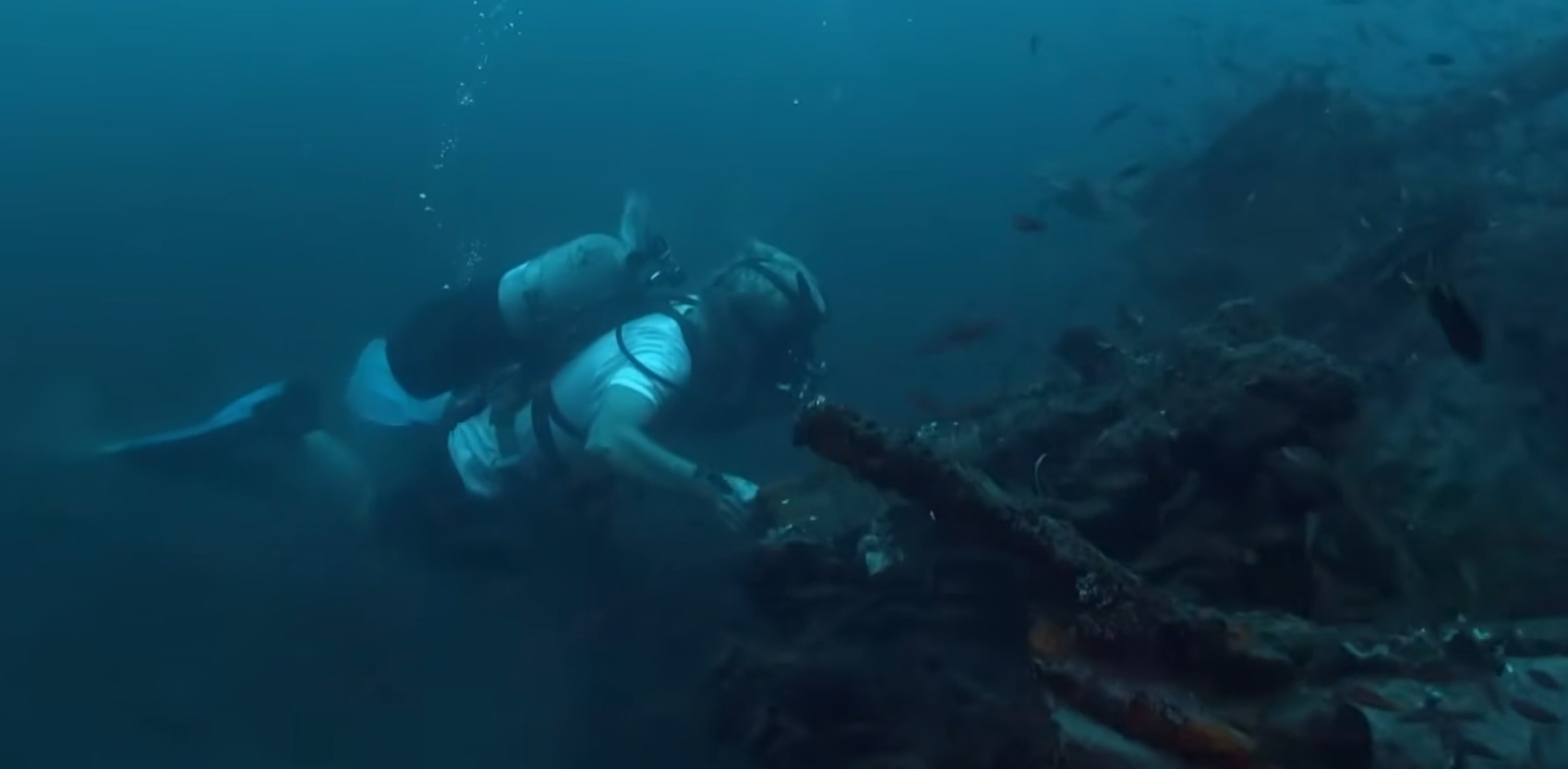
There is also something deeply moving about a discovery that seems to bridge the old world and the new so dramatically. A structure buried for millennia beneath the sea now responding to modern laser light feels almost symbolic. It suggests that history is never truly gone. It is only waiting for the right conditions to be seen again. That emotional truth is part of what makes the story so memorable. It is not just about what was found. It is about the feeling that discovery itself can be an act of resurrection.
In the end, Ancient Underwater Arch Off Gujarat Coast stands out because it is both mysterious and strangely intimate. It offers the scale of a lost civilization, the beauty of a submerged monument, and the thrill of a question that has no easy answer. Josh Gates and the marine archaeology team may have uncovered stone, inscriptions, and light, but what they truly opened was a doorway back into a world we barely understand. And that is why the story feels so powerful: it reminds us that some of history’s greatest secrets are not buried in the sand, but sleeping under the sea.
