
Alien DNA in Inca Mummy has become the center of a stunning rumor surrounding Josh Gates’ Peru expedition, as a hidden burial chamber in the Andes allegedly reveals DNA evidence that could challenge everything history says about the Inca world.
Alien DNA in Inca Mummy Turns a Peru Expedition Into a Mystery Bigger Than History
Alien DNA in Inca Mummy is the kind of phrase that immediately stops people in their tracks, because it pushes the story far beyond ordinary archaeology and straight into the territory of the impossible. In the imagined version of events surrounding Josh Gates’ Peruvian expedition, what begins as another search for a lost Inca burial site quickly becomes something far more unsettling. A hidden chamber in the Andes, a carefully preserved mummy, and DNA samples that supposedly do not match any known terrestrial pattern create a story that feels equal parts thrilling and unreal.
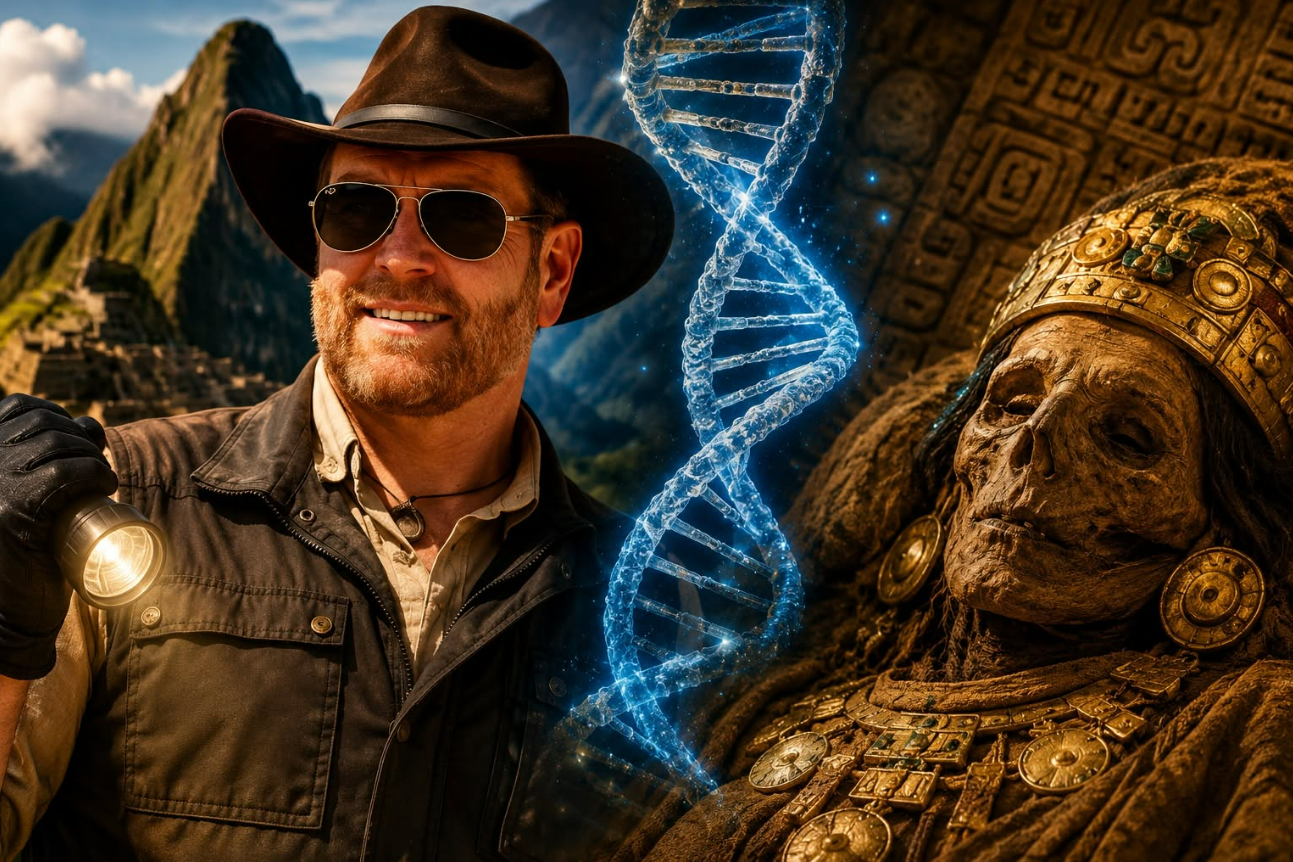
That is what makes the idea so powerful. Josh Gates has built his career by chasing history’s great mysteries, but this one feels different because it touches something deeper than treasure or legend. It asks whether humanity still has blind spots in its own story. The Inca Empire already fascinates the world because of its roads, rituals, and mountain cities, but the suggestion that a mummy could hold genetic material that defies explanation takes the mystery into an entirely new realm. It turns the past into a question mark again.
The emotional force of Alien DNA in Inca Mummy comes from the tension between wonder and disbelief. People do not want to believe that the world is still this strange, and yet stories like this survive because part of us hopes that it might be true. That hope is what gives the story its pulse. It is not just about science. It is about the possibility that history may still have secrets so large they change the way we understand ourselves.
Josh Gates Becomes the Center of a Story the Scientific World Cannot Easily Ignore
What makes the story even more compelling is the position Gates himself occupies inside it. He is not written as a distant observer. He is the one who reportedly brought the discovery to light, which gives the entire narrative a human face. Gates has always been the kind of explorer who walks the line between skepticism and curiosity, and that balance makes this rumor feel especially dramatic. If he saw something unusual enough to speak about it, then people want to know what it was and why it mattered so much.
That is where the story gains emotional weight. A discovery like this would not simply be a matter of scientific classification. It would also become a test of how much the world is willing to accept when the evidence feels too unusual to fit into existing categories. The idea that researchers or institutions might try to bury the finding only intensifies the drama, because it adds conflict to mystery. It suggests that truth, if it exists, may be inconvenient, uncomfortable, or simply too disruptive for people who prefer familiar answers.
Alien DNA in Inca Mummy works so well because it places Gates in the middle of a modern myth. On one side is archaeology, documentation, and evidence. On the other is the fear that something extraordinary may have been found and then pushed aside. That emotional conflict gives the story its staying power. It is not only about what the mummy might contain. It is about what happens when the truth feels big enough to make people nervous.
Why This Rumor Feels So Powerful to Audiences
The reason Alien DNA in Inca Mummy resonates so strongly is that it touches one of the oldest human fascinations of all: the idea that we are not fully alone in our own history. For centuries, people have looked to ancient civilizations and wondered whether there were influences, knowledge, or events that the official record never fully explained. A story like this taps directly into that curiosity. It gives shape to the fear that some discoveries are too strange to be welcomed openly.
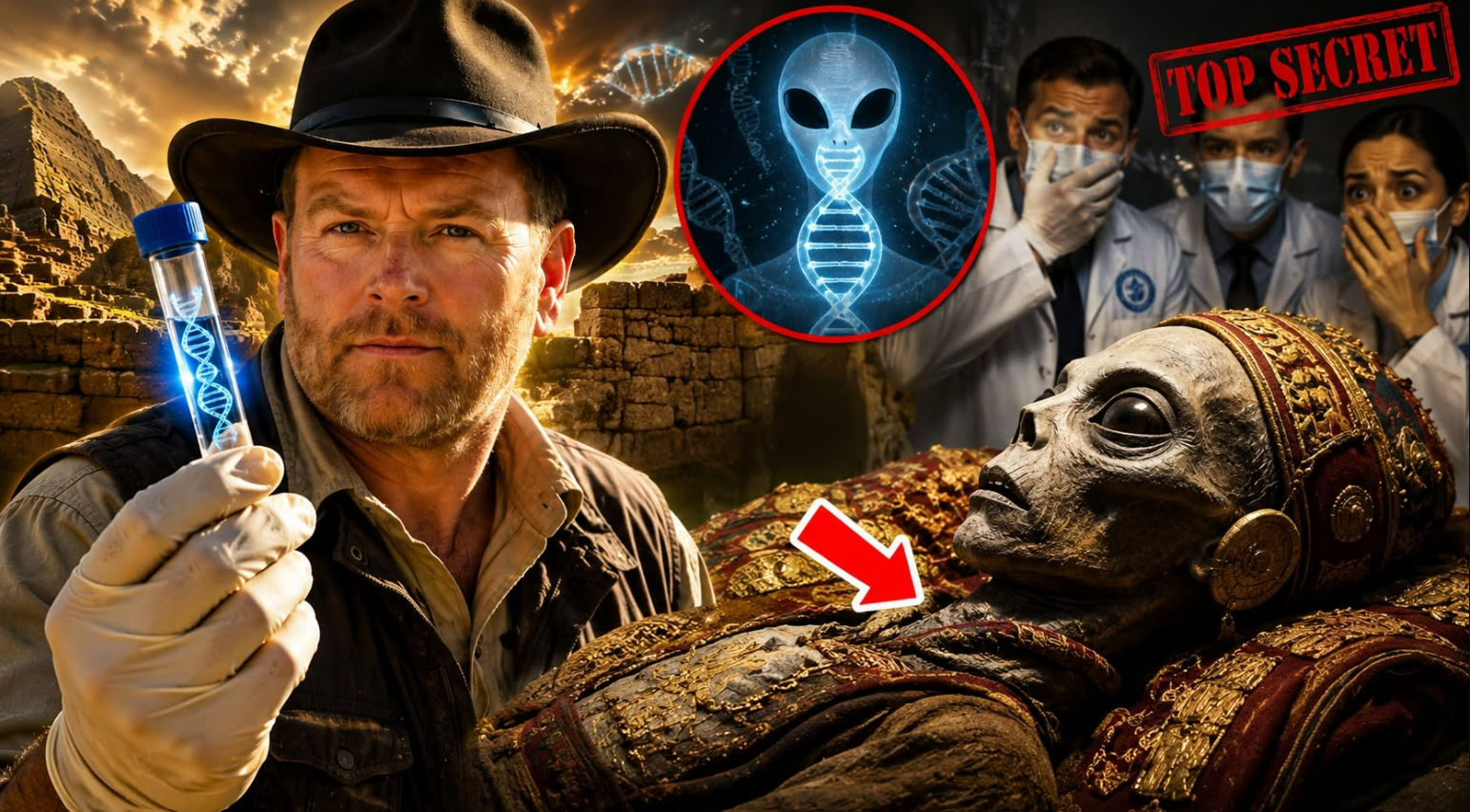
That is also why the setting matters so much. The Andes are not just a backdrop. They are part of the emotional atmosphere. A hidden burial chamber high in the Peruvian mountains feels sacred, remote, and difficult to reach, which makes anything found there seem even more significant. The landscape itself adds gravity to the claim, as if the earth were guarding something that was never meant to be seen this way. That sense of secrecy is what keeps readers hooked. It invites them to imagine a discovery that is both ancient and alive with controversy.
In the end, Alien DNA in Inca Mummy succeeds as a story because it blends archaeology, fear, and possibility into one unforgettable idea. Whether people read it as rumor, theory, or sensational legend, the emotional impact is the same: it makes the world feel larger, stranger, and less settled than before. And that is exactly why Josh Gates continues to be such a compelling figure in stories like this. He stands at the edge of the known world and makes us wonder what might still be waiting just beyond it.
