
A deserted island in the Caribbean, once used as a leper colony, becomes the setting for one of the most unsettling investigations yet. Reports of shadowy figures, violent encounters, and a presence that seems to strike after dark turn the decaying island into a place where history and fear overlap in disturbing ways.
A Forgotten Island That Feels Wrong Before the Investigation Even Begins
There is something deeply unsettling about an island that has been left behind by time. Before any strange encounter is reported, before any camera catches a flicker of movement in the dark, the place already feels heavy. The old dormitories are decaying, the silence is thick, and the memory of what once happened there seems to cling to every wall. A former leper colony is not just abandoned land; it is a place shaped by isolation, pain, and the long shadow of human suffering.
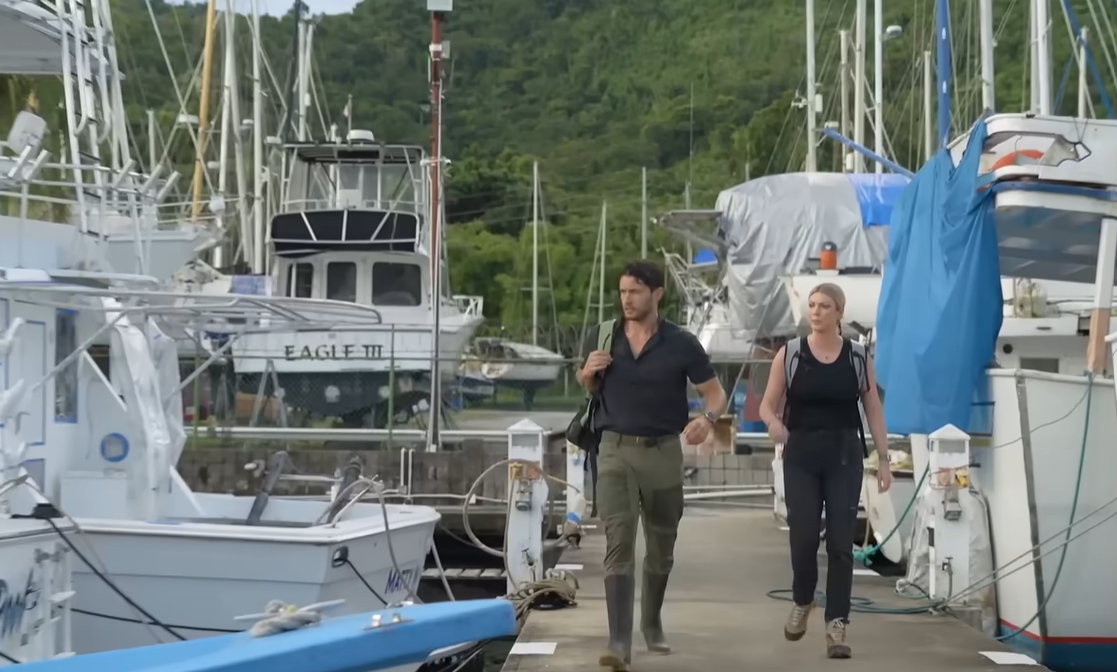
That is why this Caribbean island feels so compelling as a story. It does not need to rely on cheap shocks to be eerie. The history alone is enough to make the atmosphere feel haunted. When people talk about a location like this, they are often responding to more than the supernatural. They are reacting to the emotional residue of abandonment itself. A place where people were once separated from the world can easily come to feel like a place that never fully let them go.
What makes the setting so effective is the contrast between beauty and dread. From a distance, a Caribbean island can look peaceful, even inviting. But once the sun begins to drop and the empty buildings start to disappear into shadow, that calm turns brittle. The air changes. The silence deepens. And suddenly the island does not feel empty at all. It feels watched.
The Nighttime Reports Make the Story Feel Too Close for Comfort
The most disturbing part of the investigation is not the idea that something might be there. It is the way people describe what happens after dark. Reports of choking, physical attacks, and shadowy figures move the story beyond ordinary ghost lore and into something much more personal and frightening. A sound in the hallway can be explained. A strange shape in the distance can be doubted. But the feeling of being grabbed, pressed, or unable to breathe is different. That kind of fear goes straight to the body.

What makes this so effective is that it turns the island into an active presence rather than a passive setting. It is no longer just a place where people claim to see things. It becomes a place where people feel something happening to them. That shift changes everything. It makes the story harder to dismiss and much harder to forget. Even if a viewer approaches the account with skepticism, the emotional weight of those reports still lands.
This is where the history of the island matters so much. A former leper colony already carries a sense of separation and loss. Add to that the quiet of night, the decay of the buildings, and the fear of being alone in a place like that, and it becomes easy to understand why even small experiences might feel amplified. The story works because it never asks us to choose too quickly between fact and feeling. Instead, it lets the fear build naturally, one unsettling detail at a time.
Why Stories Like This Stay With Us Long After the Lights Come On
The reason this kind of story lingers is that it taps into something deeper than a haunting. It asks what happens when a place is marked by suffering and then left to stand alone. We are drawn to abandoned places because they feel unfinished, as if the story of what happened there has not fully closed. That sense of incompleteness is powerful. It leaves room for imagination, but it also leaves room for grief.
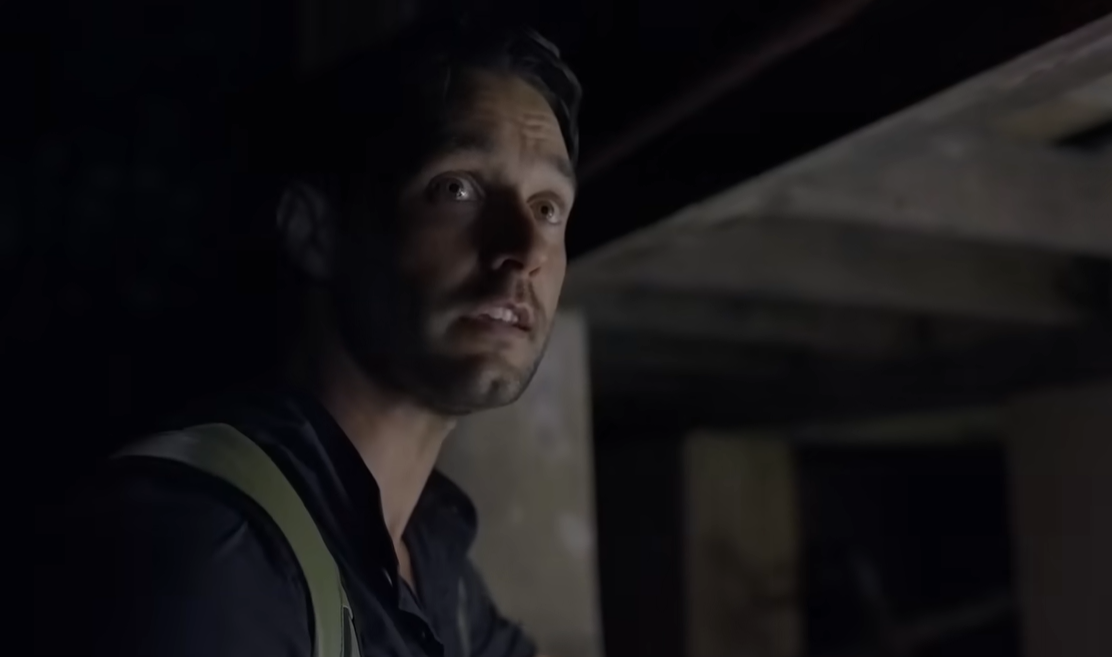
A story about an island like this is never really just about ghosts. It is about memory. It is about the way certain places seem to hold onto what people tried to leave behind. The former colony, the empty dormitory, and the nighttime reports all combine to create a feeling that is hard to shake. Whether the explanation is supernatural or psychological almost becomes secondary to the larger emotional truth: some places feel heavy because of what they have witnessed.
That is why the story stays with people. It combines atmosphere, history, and human vulnerability in a way that feels real even when the details are hard to explain. The island becomes more than a location. It becomes a reminder that silence can be its own kind of presence. And once a place feels like that, it is very difficult to walk away from it unchanged.
