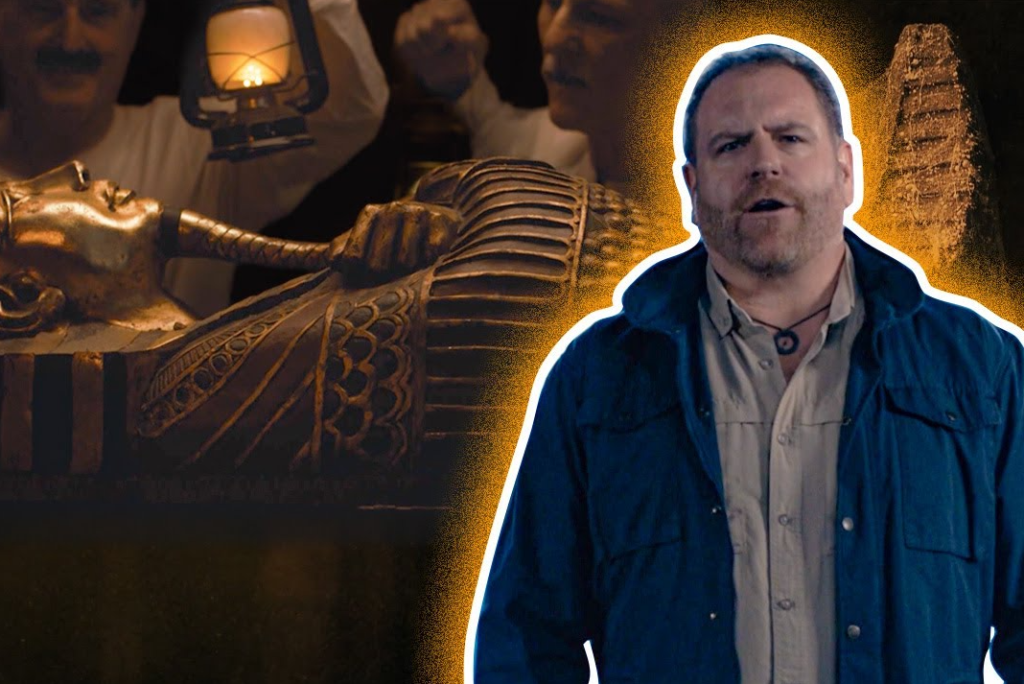
King Tut’s Curse has fascinated the world since Howard Carter uncovered Tutankhamun’s tomb in 1922, and Josh Gates now revisits the legend with fresh perspective, showing how history, science, and sensational headlines helped turn a burial chamber into one of archaeology’s most enduring myths.
King Tut’s Curse Was Born Out of Wonder, Grief, and a Perfect Media Story
King Tut’s Curse began not as a proven fact, but as a story people were ready to believe. When Howard Carter and his team opened Tutankhamun’s largely intact tomb in 1922, the discovery stunned the world and transformed our understanding of ancient Egypt. The burial chamber was filled with treasures, and the scale of the find made Tutankhamun one of history’s most famous pharaohs almost overnight.
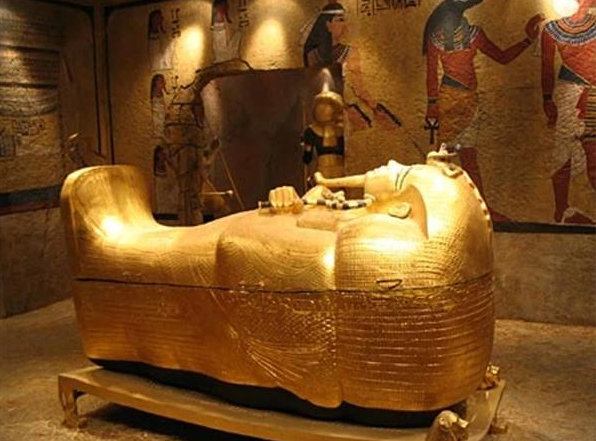
The legend of the curse surged after Lord Carnarvon, Carter’s financial backer, died shortly after the tomb’s opening. That timing was enough for newspapers and the public to stitch tragedy into mystery, even though the modern historical record points to a more ordinary cause: an infected mosquito bite that led to blood poisoning and pneumonia. In other words, the “curse” grew stronger because the world wanted a dramatic explanation for an extraordinary event.
That is what makes the story so enduring. King Tut’s Curse is not just about death or superstition. It is about the moment history became spectacle. A remarkable archaeological discovery arrived at the same time as grief, rumor, and newspaper sensationalism, and together they created a myth that has outlived many of the facts that first surrounded it. Even today, the curse survives because it sits at the emotional crossroads of wonder and fear.
Josh Gates Helps Separate the Myth From the Science
What makes Josh Gates so effective in revisiting King Tut’s Curse is that he does not treat the legend as something simple to either believe or dismiss. Discovery has repeatedly framed Tutankhamun-related programming around the tension between ancient mystery and modern science, including King Tut: A Century of Secrets and Tut’s Curse: The New Evidence. Those programs show that the real question is not whether people were enchanted by the story, but why the story became so powerful in the first place.

Scientific explanations have long competed with supernatural ones. National Geographic has noted that researchers have pointed to possible tomb toxins, mold, and bacteria as more grounded explanations for the deaths and illnesses that fueled the curse narrative. That does not make the story less interesting. If anything, it makes it more fascinating, because it suggests the “curse” may have been a collision between archaeology, biology, and human imagination rather than something mystical lurking in the dark.
Josh Gates’ strength in a story like this is that he makes room for both the romance of the legend and the evidence that challenges it. He understands that audiences are not only asking, “Was there a curse?” They are also asking, “Why did this idea take hold so completely?” That is where the best storytelling lives: not in a cheap answer, but in the space where history becomes emotionally complicated.
Why King Tut’s Curse Still Refuses to Die
King Tut’s Curse continues to captivate because it speaks to something deeply human: our need to turn unexplained events into meaningful stories. Carter’s discovery was so dramatic, and Carnarvon’s death so convenient for mythmaking, that the curse became almost inevitable as a cultural legend. Even though historians have spent decades offering more grounded explanations, the story persists because it works as folklore. It gives a face to uncertainty. It gives shape to fear.
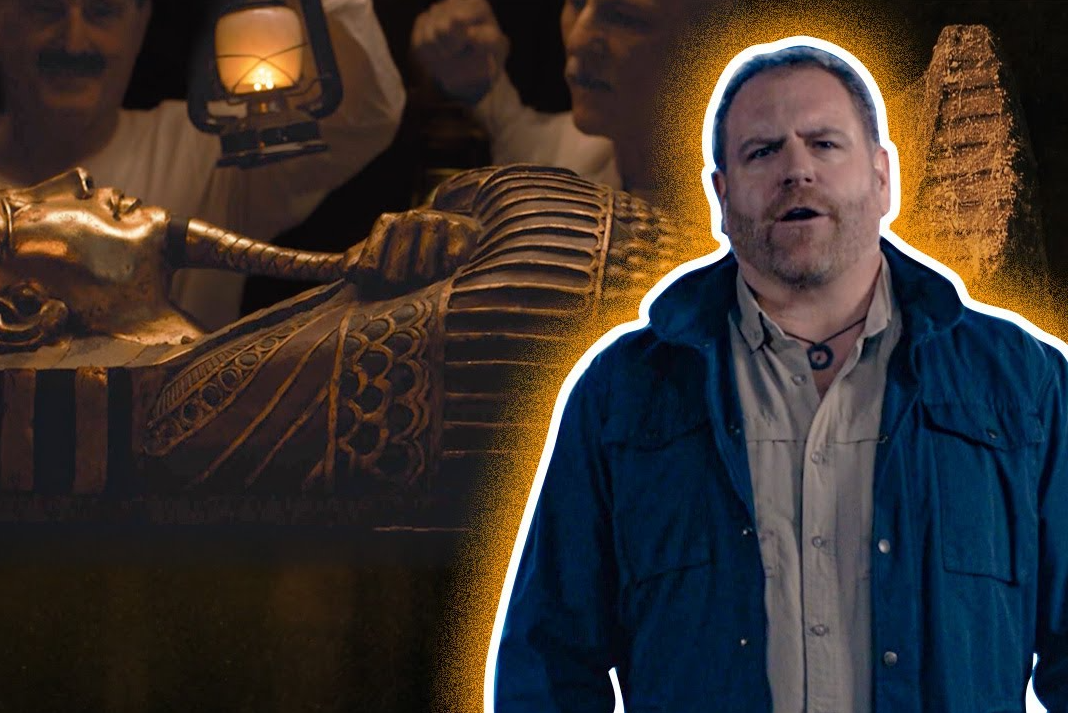
There is also a broader appeal in the idea that ancient tombs still carry consequences in the modern world. The Valley of the Kings is not just a historical site; it is a place where people continue to project awe, danger, and curiosity. That is why a single discovery from 1922 still feels alive in 2026. Tutankhamun’s tomb changed archaeology, but it also changed popular imagination, and that effect has never really worn off.
In the end, Josh Gates does not need to prove that a supernatural curse exists to make the story matter. The real power of King Tut’s Curse lies in how it reveals the human side of discovery: the shock of opening the tomb, the grief that followed, the rumors that rushed in to fill the silence, and the science that keeps re-examining the legend. That is why the curse still works as a story. It is less about magic than about memory, and less about doom than about the way history becomes mythology the moment the world starts talking about it.
