
Josh Gates Hunts the Kalahari Mystery in a gripping search across one of Earth’s harshest landscapes, where scorching heat, endless dunes, and whispers of a lost civilization turn the desert into a place where history and survival collide.
Josh Gates Hunts the Kalahari Mystery in One of the World’s Harshest Landscapes
Josh Gates Hunts the Kalahari Mystery with the kind of determination that only makes sense in a place as unforgiving as the Kalahari Desert. Stretching across southern Africa, the desert is not just vast — it is merciless. Heat presses down with relentless force, the horizon seems to stretch forever, and every step through the sand carries the quiet reminder that survival here has never been easy. That makes the setting perfect for a story built on lost history, stubborn questions, and the possibility that something extraordinary may have been hidden for centuries.
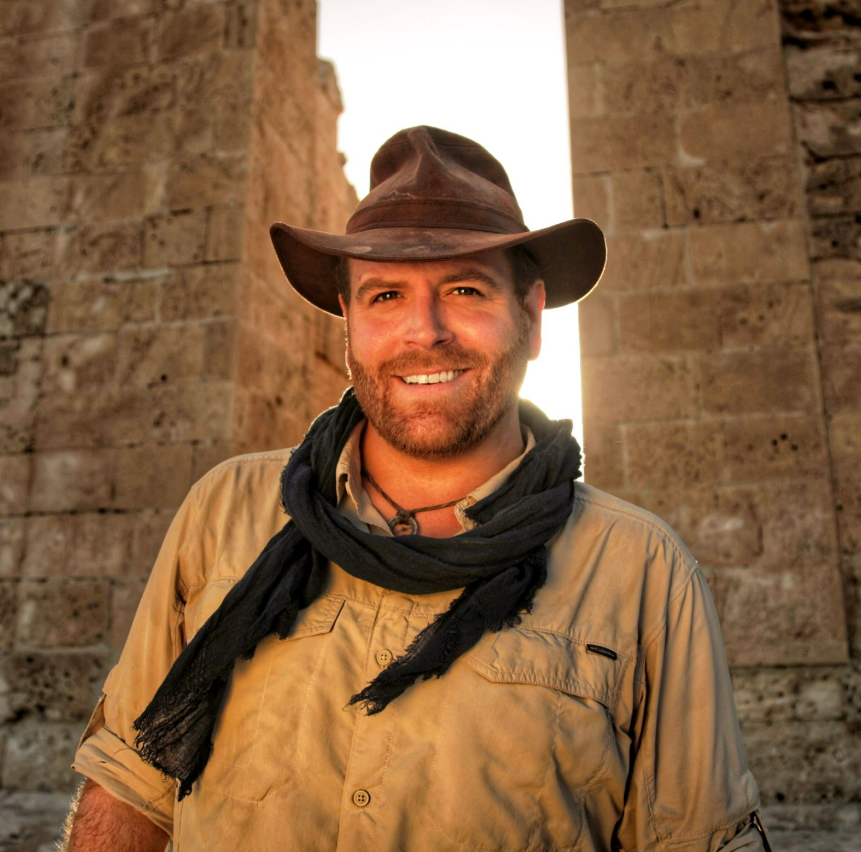
The power of this story comes from contrast. On one side is Gates, a familiar face to adventure audiences, moving toward the unknown with the patience of a hunter and the curiosity of a historian. On the other is the Kalahari itself, a place that seems almost designed to erase evidence. Tracks vanish quickly. Heat distorts distance. Time feels slower and more punishing. In that environment, any clue tied to a lost civilization feels hard-won, fragile, and deeply meaningful. The search becomes more than an expedition. It becomes a test of whether history can survive in a place that seems built to swallow it.
That is what gives Josh Gates Hunts the Kalahari Mystery its emotional pull. It is not just about what might be found. It is about the courage it takes to keep looking when the odds are stacked against discovery. The desert does not welcome answers easily, and that tension is exactly what makes the story so compelling. Every mile traveled carries weight. Every clue feels earned. And every moment of progress feels like a quiet victory against a landscape that has no interest in being conquered.
The Lost Civilization Theory Gives the Search a Deeper Human Meaning
What makes the Kalahari mystery so powerful is the idea that this desert may be hiding more than ruins or artifacts. A lost civilization changes the emotional scale of the story completely. It suggests that the region was once home to people whose lives, knowledge, and culture may have been erased by time, weather, and distance. That kind of possibility gives the search a sense of purpose that goes far beyond treasure hunting. It becomes about memory, ancestry, and the human need to recover what has been forgotten.

That is where Gates’ style of storytelling matters most. He has a way of making large historical questions feel personal. He does not treat a site like a puzzle alone. He treats it like a place that once mattered to real people. That perspective matters in a place like the Kalahari, where the terrain itself can make history feel distant and abstract. By pushing through the harshness of the desert, the story becomes more intimate. It asks not only what was lost here, but who was here, how they lived, and why their story may have faded from view.
The emotional strength of Josh Gates Hunts the Kalahari Mystery comes from that combination of scale and humanity. The desert is enormous, but the search becomes focused on very human questions: Who left the clues behind? What happened to the people who built this world? And can one expedition really reconnect the present with a civilization that has nearly disappeared from memory? Those are the kinds of questions that keep viewers invested, because they are not just about archaeology. They are about belonging and loss.
Why the Kalahari Still Feels Like a Place That Holds Secrets
There is something almost mythic about the Kalahari. It is a landscape that seems to resist explanation, partly because of its size and partly because of the way it swallows signs of human presence. That makes it a natural setting for a story about a hidden civilization. The desert itself feels like a keeper of secrets, a place where silence stretches so wide that even the smallest discovery can feel monumental. That atmosphere gives Josh Gates Hunts the Kalahari Mystery a quiet, almost haunting intensity.
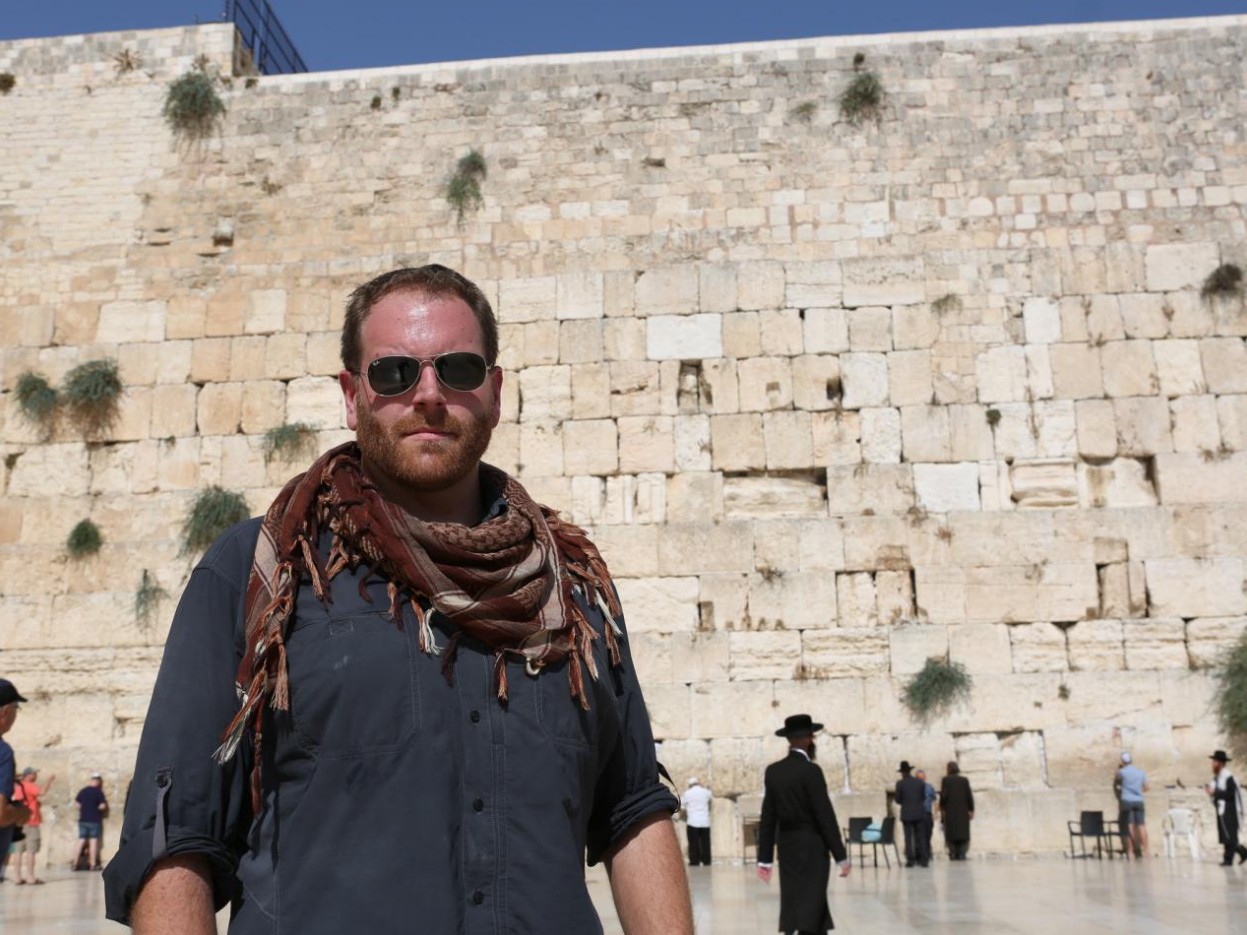
The reason the story resonates so strongly is that it taps into a universal feeling: the sense that the world is bigger than our understanding of it. A desert may look empty at first glance, but stories like this remind us that emptiness is often an illusion. Beneath the sand, there may be tools, structures, traces of movement, and evidence of lives once lived in full. That possibility changes the way people look at the landscape. It is no longer just a harsh place. It becomes a place of memory.
In the end, Josh Gates Hunts the Kalahari Mystery works because it blends danger, wonder, and history into one unforgettable search. The desert challenges the body, the mystery challenges the mind, and the possibility of a lost civilization challenges the way we think about the past itself. That is what makes the story feel so alive. It is not simply about surviving the Kalahari. It is about listening closely enough to hear what the desert has been trying to say all along.
