
Josh Gates underwater mission in Myanmar pushes the Expedition Unknown host into unpredictable waters, limited visibility, and a high-risk search for the truth behind a submerged historical site that may hold far more than local legend.
Josh Gates underwater mission in Myanmar begins with a legend that refused to stay buried
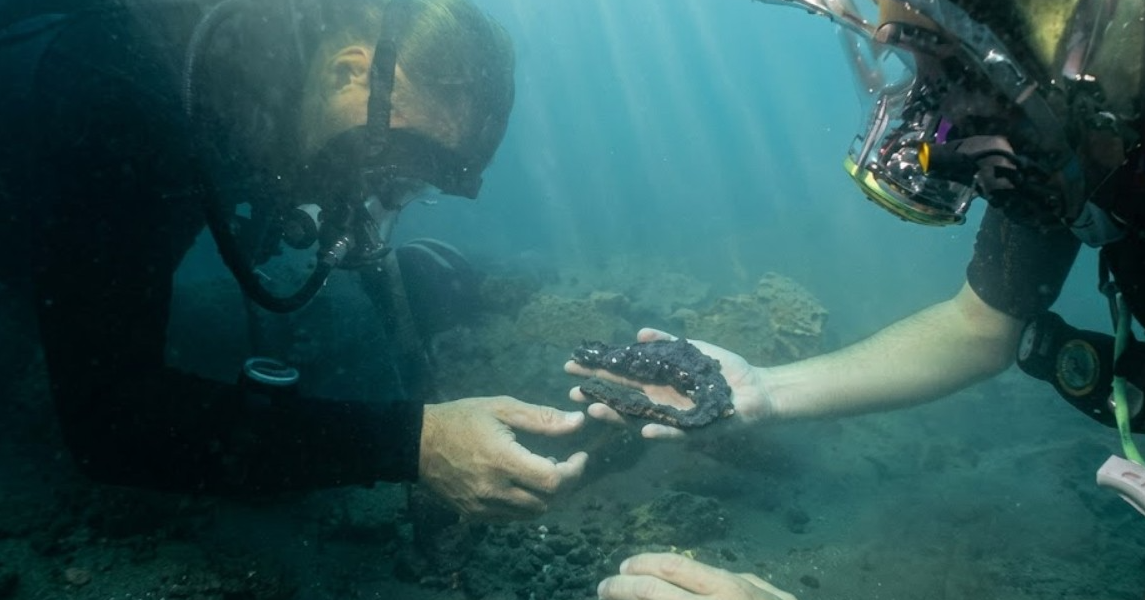
Josh Gates underwater mission in Myanmar starts the way the best adventure stories often do: with a rumor, a local story, and a place that looks calm on the surface but hides something far more complicated below. What began as an investigation into a submerged historical site quickly turned into a mission shaped by uncertainty, danger, and the kind of tension that makes even experienced explorers slow down and think twice.
Myanmar’s waters are not the kind of place that give up secrets easily. Between shifting conditions, poor visibility, and the physical strain of working beneath the surface, the environment itself becomes part of the challenge. That is what makes this episode so gripping. It is not simply about diving into water and looking for clues. It is about entering a space where every movement matters, every decision carries risk, and every second underwater can change the entire shape of the mission.
The strongest part of Josh Gates underwater mission in Myanmar is the way it turns curiosity into pressure. Gates has built his reputation on moving toward difficult mysteries, but underwater exploration adds a different level of danger. On land, an explorer can still improvise. Beneath the surface, the room for error disappears fast. That contrast gives the Myanmar investigation its emotional force. The story is not just about what lies beneath the water. It is about whether anyone can safely reach it in the first place.
The conditions underwater made the mission feel almost impossible
What makes Josh Gates underwater mission in Myanmar especially tense is the environment itself. Limited visibility means that even a small movement can create confusion. Strong currents, unstable conditions, and changing depths make it difficult to maintain control, let alone conduct a careful search. In a situation like that, the line between exploration and survival becomes very thin. That is what makes the episode feel so nerve-racking. The mission is no longer simply a hunt for historical evidence. It becomes a test of endurance, coordination, and trust.

The danger also lies in the unknown. A submerged historical site carries the promise of discovery, but it may also conceal hazards that are impossible to predict from the surface. Hidden debris, unstable structures, and unexpected environmental shifts can turn a promising investigation into a serious emergency. That uncertainty is part of what keeps viewers locked in. They are not just watching Gates chase a story. They are watching him move through an environment that seems determined to resist being understood.
This is where the emotional side of the story becomes important. Gates’ calm presence has always been part of why viewers trust him, but scenes like this remind audiences that calm does not erase risk. It only helps a person move through it. The more the underwater conditions intensify, the more the mission feels like a reminder that adventure television is built on real stakes. Josh Gates underwater mission in Myanmar succeeds because it does not pretend danger is theoretical. It lets the audience feel how quickly things can turn.
Why this Myanmar expedition stands out among Gates’ adventures
There is something uniquely compelling about Josh Gates underwater mission in Myanmar because it combines history, legend, and physical risk in one story. Gates has investigated plenty of mysteries over the years, but underwater missions carry a different emotional weight. They are quieter, slower, and often more terrifying because the danger is so immediate and so hard to control. That is what makes this expedition memorable. It does not rely on spectacle alone. It relies on tension that feels real from the first dive.
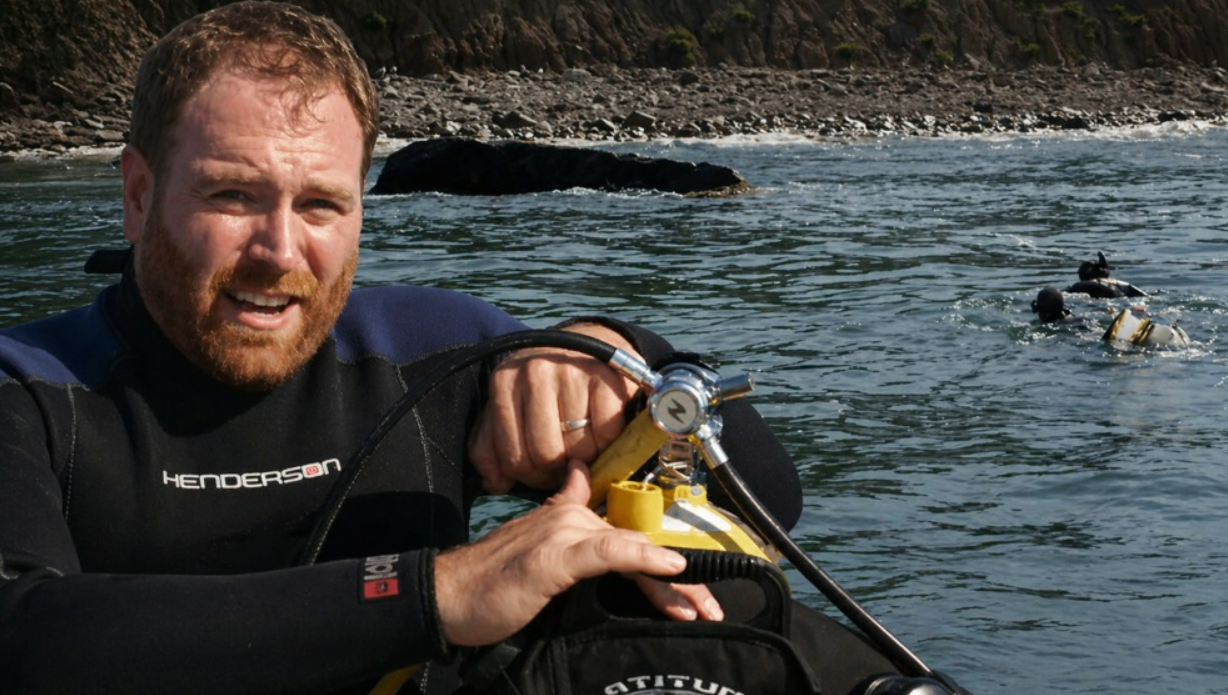
The search for a submerged historical site also adds a layer of meaning that goes beyond action. A hidden site in the water is not just a location. It is a piece of memory waiting to be recovered. That gives the mission a sense of purpose that makes the risk feel worthwhile. Viewers are not just following Gates because the water is dangerous. They are following him because the possibility of uncovering something lost gives the danger a deeper payoff. That balance between risk and reward is what has always made his work resonate.
In the end, Josh Gates underwater mission in Myanmar stands out because it captures the heart of exploration in its rawest form: the willingness to go somewhere uncertain in the hope of finding something meaningful. It is a reminder that some of the most important discoveries are not made in comfort or safety, but in places where visibility is poor, the odds are long, and the truth is hidden just out of reach. That is exactly why this mission feels so powerful. It is not just another dive. It is a reminder of how far curiosity can take someone when the story beneath the surface is still unfinished.
