The Second Coordinate has turned Josh Gates’ recovery period into something far more powerful than downtime, as the explorer studies fresh data from home and hints that the Oaxaca expedition may have been only the beginning of a much larger discovery.
The Second Coordinate Reframes the Oaxaca Expedition
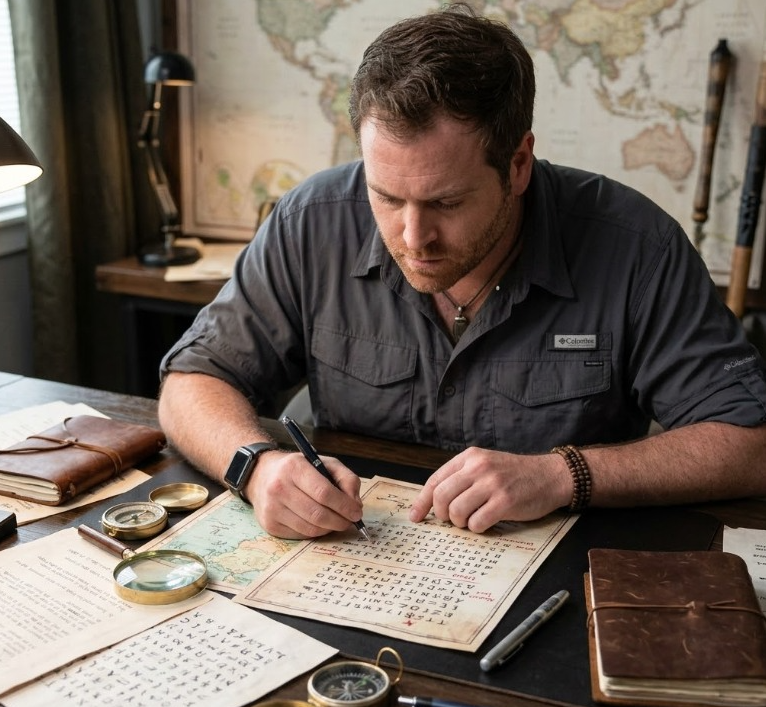
The Second Coordinate is the kind of clue that can completely change the emotional direction of a story. What looked like a difficult expedition, followed by a painful recovery, now appears to have become something bigger: a moment of discovery that refuses to stay buried. From home, surrounded by scans, maps, and field notes, Josh Gates has reportedly continued the search with the same intensity he brings to the field, only this time the battlefield is quieter, more private, and perhaps even more determined.
That shift gives the story a strong human center. Gates is no longer moving through caverns or standing at the edge of a dig site. He is working through data while healing, turning forced stillness into focus. For viewers, that image is powerful because it reveals a different kind of strength. The adventure does not end when the boots come off. Sometimes it continues at a desk, in a living room, or in the silence between one piece of evidence and the next. That is what makes The Second Coordinate feel so dramatic. It suggests that recovery has not slowed the investigation down. It has sharpened it.
The emotional weight of the story also comes from the possibility that the Oaxaca expedition was never a dead end at all. Instead, it may have been the first half of a larger pattern, one that only becomes visible once the clues are studied from a distance. That idea gives the narrative momentum. It tells viewers that what they thought was the end may have been the point where the real puzzle finally began to show itself.
Josh Gates Turns Recovery Into a New Kind of Exploration
There is something especially compelling about a story in which the explorer is forced to slow down but refuses to stop thinking like an explorer. The Second Coordinate works because it transforms medical recovery into intellectual momentum. Instead of seeing convalescence as a pause, the story reframes it as a different form of fieldwork. Gates may not be underground, but he is still doing what he does best: reading the unknown, following inconsistencies, and asking what everyone else missed.

That creates a striking contrast. The body is recovering, but the mind is still chasing answers. It is the kind of contrast that makes a character feel larger than the moment he is in. Gates surrounded by high-resolution scans and archaeological data is not simply a man waiting to return to action. He is a man who has found a new way to stay inside the story, even while his body forces him to step back from the terrain itself. That is a deeply resonant image because it speaks to resilience in a form audiences do not always expect.
It also explains why this latest revelation would electrify fans. A second coordinate implies direction, pattern, and continuation. It tells the audience that the story has more room to unfold, and that the past few weeks may have revealed only the first layer of a much deeper structure. In that sense, The Second Coordinate is more than a clue. It is a promise that the expedition is still alive, even if the work is happening from a living room instead of a desert ridge.
Why Fans Respond So Strongly to This Kind of Discovery
Fans have always been drawn to Josh Gates because he makes discovery feel personal. He does not present history as something sealed off behind glass. He treats it like a living mystery, something that can still surprise us if we are willing to keep looking. That is why a story like The Second Coordinate hits so hard. It combines the thrill of a breakthrough with the vulnerability of recovery, and that mix creates real emotional pull.
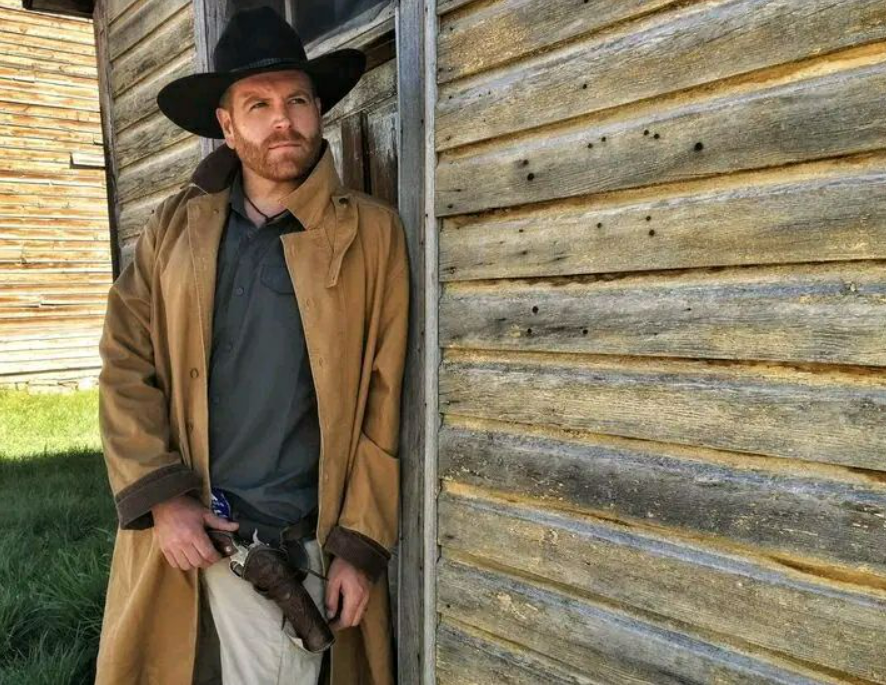
The audience is not only reacting to a new clue. They are reacting to the idea that Gates, even while healing, has remained in the fight. That matters because it turns the story into something bigger than an episode plot. It becomes a portrait of persistence. A man who has been physically slowed down is still mentally pushing forward, still chasing the shape of the truth, still refusing to let one disaster define the whole journey. That kind of resolve is what fans remember.
In the end, The Second Coordinate gives the story its best possible ending for now: not closure, but momentum. It suggests that the Oaxaca expedition was not a failure, not a dead end, but the first step in a wider discovery that has only just begun to reveal itself. That is the kind of turn that keeps audiences hooked, because it promises that the next answer may be even more surprising than the last. And for Josh Gates, that may be the most powerful form of recovery of all: turning pain into perspective, and perspective into the next great search.

Absolutely madness to return to Hell