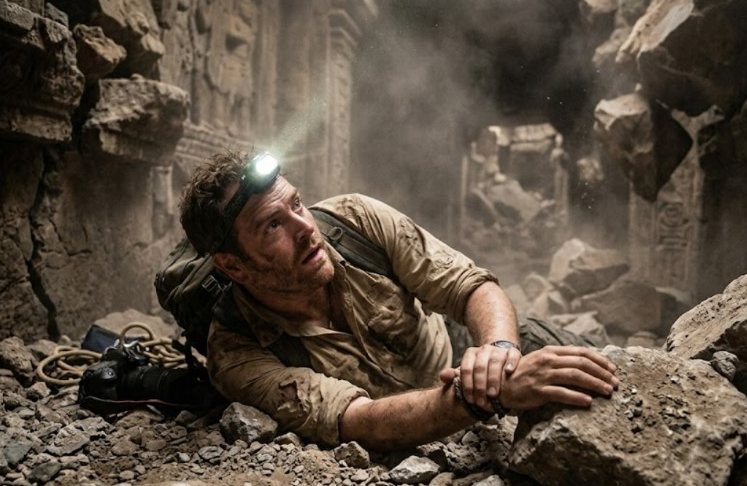
Massive rescue teams race to reach Josh Gates after a catastrophic earthquake triggered a cave collapse in the Mexican highlands, leaving the explorer and his nine-member crew trapped underground as every passing hour raises the stakes of survival.
Massive Rescue Teams Race to Reach Josh Gates as Hope and Fear Collide Underground
Massive rescue teams race to reach Josh Gates in what has quickly become one of the most emotionally gripping survival stories surrounding modern adventure television. Deep in the isolated Mexican highlands, international emergency crews are reportedly battling unstable terrain, collapsing tunnels, and rapidly shrinking time windows as they attempt to reach Gates and his trapped production crew beneath tons of fallen rock. Three days have now passed since the earthquake struck the region, and every hour underground is beginning to carry unbearable weight.

What makes the situation feel so devastating is the uncertainty. Rescue operations inside collapsed cave systems are among the most dangerous missions emergency crews can face. Every movement underground risks triggering additional collapses, forcing teams to move slowly even as pressure mounts above the surface. That painful contradiction is exactly what gives this story its emotional power. Everyone understands the urgency, but nature refuses to move at human speed.
The image of Josh Gates trapped beneath the mountains has struck fans particularly hard because viewers know him as someone who usually guides others through danger. He is the calm voice in ancient ruins, the steady figure in dark tunnels, the person audiences trust to move toward fear instead of away from it. But now, according to reports surrounding the operation, Gates himself has become the person waiting for rescue. That reversal changes everything emotionally. Suddenly, the explorer is no longer searching for survival stories. He is living inside one.
The Mexican Highlands Rescue Has Become a Global Race Against Time
As the operation intensifies, the rescue effort itself has become almost as dramatic as the collapse. Reports suggest specialized teams equipped with seismic scanners, thermal imaging systems, and underground drilling equipment have joined local crews in the desperate push to locate stable access points into the collapsed cavern. Helicopters reportedly continue circling the disaster zone while engineers study whether vibrations from excavation equipment could trigger further cave failures.
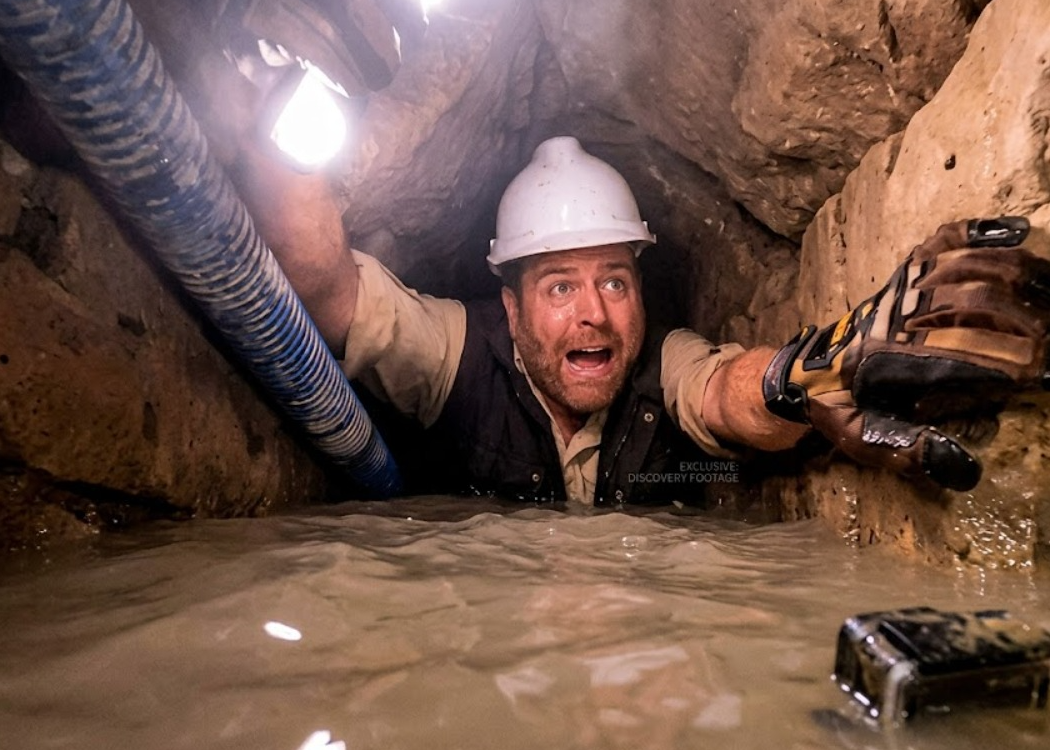
That is what makes massive rescue teams race to reach Josh Gates such a gripping narrative. It combines two overwhelming forces: human determination and the terrifying unpredictability of nature. Every rescue worker entering the mountain understands the danger involved, yet they continue pushing deeper because they know lives may depend on every decision made underground.
The emotional tension has also spread far beyond the disaster site itself. Across social media, fans have flooded comment sections with messages of hope, fear, and disbelief. Many longtime viewers are struggling to process how quickly an archaeological expedition transformed into a survival emergency. Others have pointed out how often Gates has spoken over the years about the unpredictable risks tied to remote exploration. But knowing danger exists and witnessing it unfold are two completely different experiences.
For many fans, the most haunting part is imagining the silence underground. No cameras. No dramatic soundtrack. Just darkness, uncertainty, and the slow passing of time while rescue crews fight through layers of collapsed earth above. That image alone has made this story feel deeply personal to viewers who have followed Gates’ adventures for years.
Why This Story Feels Bigger Than Television
The reason massive rescue teams race to reach Josh Gates has captured so much attention is because it touches something universal about survival, fear, and human resilience. This is no longer simply an entertainment headline connected to a television production. It has become a story about vulnerability. A reminder that no amount of experience, preparation, or expertise can fully control the forces hidden beneath the earth.
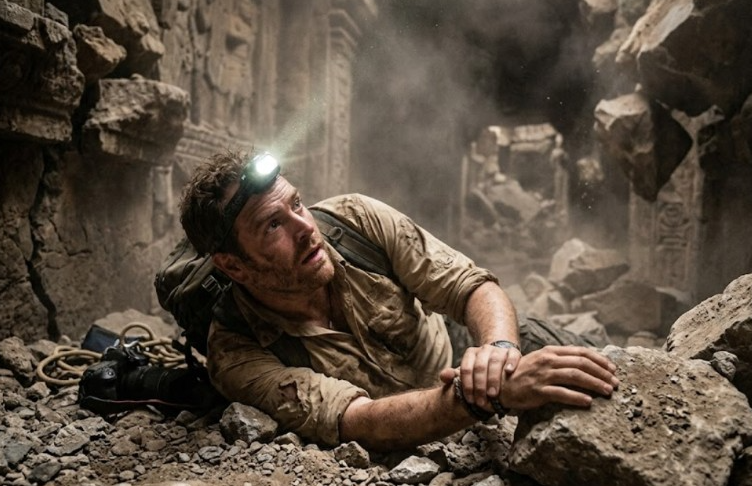
Josh Gates has built his career exploring forgotten places and chasing unanswered questions across the globe. That adventurous spirit is exactly why audiences connect with him so strongly. He represents curiosity, persistence, and the belief that history still holds secrets worth risking comfort to uncover. But stories like this also expose the hidden cost of that pursuit. Behind every expedition lies genuine danger, even for the people who make it look effortless on screen.
In the end, what makes this moment so emotionally powerful is the waiting. Waiting for updates. Waiting for signs of hope. Waiting for rescue crews to break through before time runs out. That uncertainty is what keeps millions emotionally locked into the story. Because beneath all the headlines and speculation, one truth remains painfully simple: somewhere under the mountains of Mexico, people are still fighting to survive while the world watches and hopes they are not too late.
