
England’s Lost Crown Jewels become the backdrop for one of Expedition Unknown’s most panic-filled moments as Josh Gates battles pouring rain, sinking marshland, and a venomous snake during a search for King John’s vanished treasure.
England’s Lost Crown Jewels Lead Josh Gates Into the Marshes of The Wash
England’s Lost Crown Jewels have always carried the kind of myth that pulls people in from the first moment they hear the story. King John’s vanished treasure is one of those legends that feels larger than the landscape itself, and in Expedition Unknown, Josh Gates takes that legend straight into the marshes of The Wash, where history and danger seem to meet in the same breath. What begins as a treasure hunt quickly becomes something far more physical and far more tense, because this is not a clean archaeological site or a sheltered ruin. It is wet ground, cold rain, shifting mud, and the uneasy feeling that every step could lead deeper into trouble.
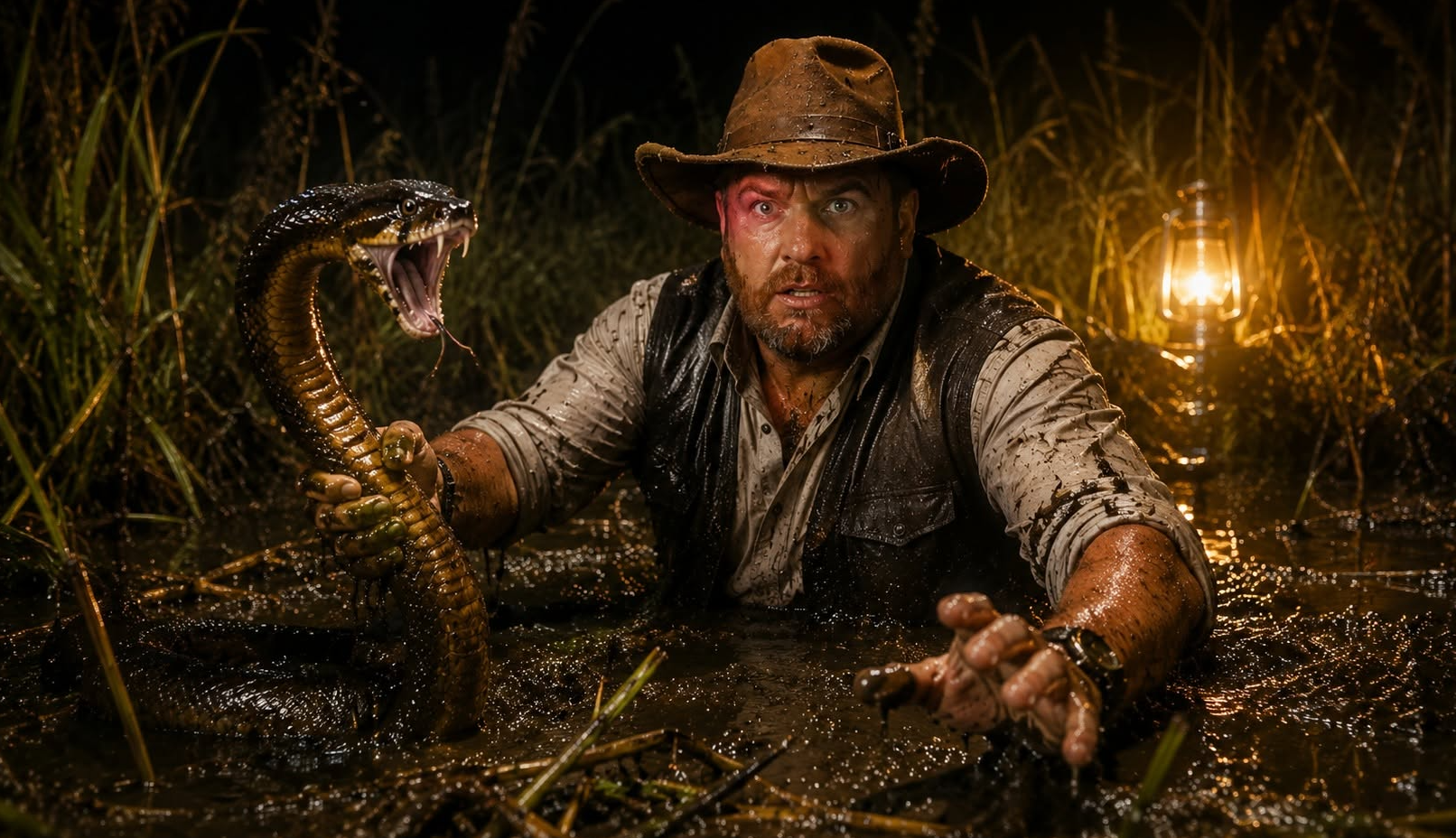
That is what makes the story so gripping. The mystery of the lost crown jewels is powerful on its own, but The Wash gives it a harsh, almost unforgiving setting. Marshland has a way of making everything feel uncertain. Ground that looks solid can suddenly give way. Water hides what lies beneath. And in a place like this, even a carefully planned search can turn chaotic in seconds. Gates has spent years chasing history in difficult places, but this one feels especially raw because the environment itself seems determined to resist being searched.
What gives England’s Lost Crown Jewels such emotional force is the contrast between legend and reality. The treasure sounds royal, almost romantic, but the search is anything but. It is muddy, dangerous, and physically exhausting. That clash between the grandeur of the story and the brutality of the setting is exactly what makes this episode unforgettable. It reminds viewers that history is not always found in comfort. Sometimes it is found knee-deep in cold water, with the rain coming down and no easy path forward.
The Snake Encounter Turns the Search Into Pure Panic
The most shocking part of the episode is the moment the search stops being just difficult and becomes frightening. A venomous snake in the middle of the marshland changes everything instantly. It is one thing to search for a lost treasure in bad weather. It is another thing entirely to realize that the ground around you is not only unstable, but alive with threats you cannot always see until they are already close. That is the point where the story shifts from adventure into survival.
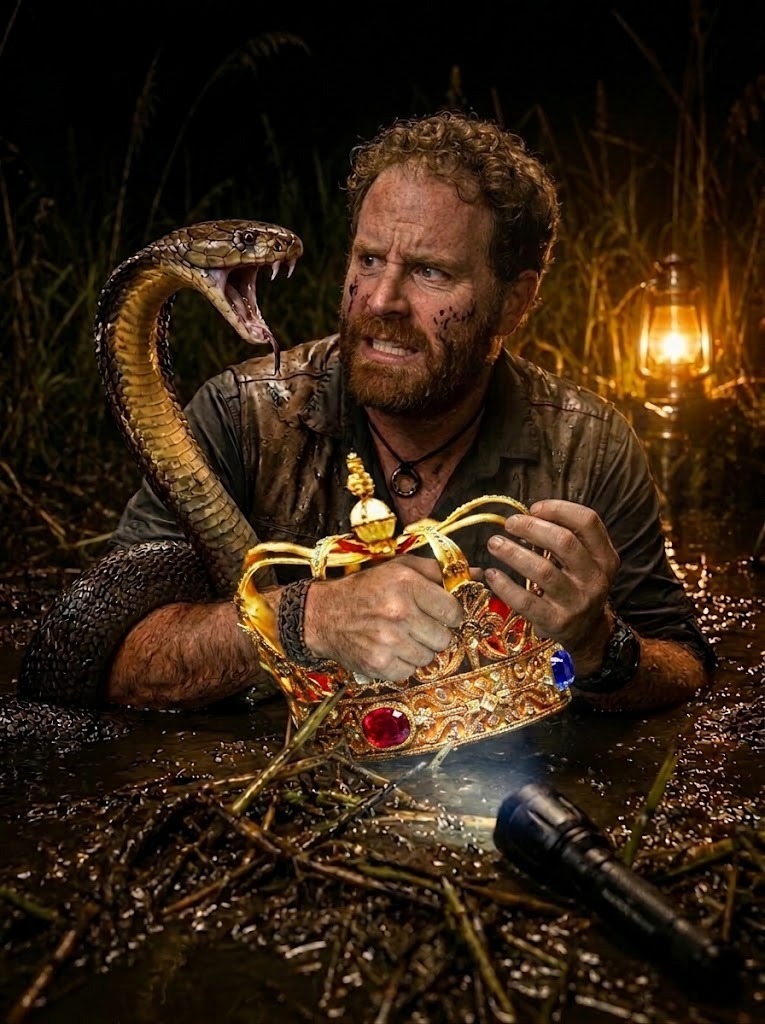
Josh Gates’ reaction matters because it shows how quickly confidence can be tested in the field. He is known for keeping his cool, for meeting strange situations with humor and composure, but a snake in pouring rain and sinking mud is a different kind of problem. It strips away the romance of the search and leaves only instinct. Move carefully. Stay alert. Get through the moment without making the situation worse. That kind of tension is what makes England’s Lost Crown Jewels feel so immediate and real.
The emotional charge of the scene comes from how sudden it is. One moment the team is focused on history, and the next the present becomes far more important than the past. The treasure can wait. The snake cannot. That simple shift captures the heart of the episode: adventure is never just about what is being searched for. It is also about what can go wrong while you are searching. And when danger appears without warning, the entire mood of the story changes in an instant.
Why This Search Feels Bigger Than a Treasure Hunt
England’s Lost Crown Jewels works so well because it blends myth, danger, and human vulnerability into one powerful story. The treasure itself is legendary, but the real appeal of the episode is the sense that history is still hiding in places that are difficult, messy, and unpredictable. Gates is not just chasing an old royal story. He is walking into a landscape that seems to test both the body and the nerves. That gives the search a weight that goes beyond simple curiosity.

There is also something deeply satisfying about seeing a familiar explorer put in a situation that feels truly dangerous. It makes the audience feel the stakes in a way that pure narration never could. The rain, the mud, the snake, and the uncertainty of the marsh all combine to make the episode feel alive. It is the kind of sequence that reminds viewers why they watch adventure television in the first place: because the unknown does not always stay distant. Sometimes it snaps back.
In the end, England’s Lost Crown Jewels is memorable not only because of the treasure, but because of the panic, the terrain, and the very real sense that the search could turn at any moment. Josh Gates chasing King John’s vanished treasure becomes more than a historical investigation. It becomes a fight to stay steady in a place that offers very little certainty. And that is what makes the moment so powerful: the treasure may be lost, but the danger is right there in the mud.
