
The Ark of the Covenant becomes one of Expedition Unknown’s most unforgettable quests as Josh Gates follows ancient clues, biblical history, and dangerous tunnels in a search that feels equal parts archaeology, faith, and legend.
The Ark of the Covenant Still Feels Larger Than History
The Ark of the Covenant has lived for centuries in that rare space where history, faith, and mystery overlap so completely that none of them can fully claim it alone. It is not just a relic from scripture. It is a symbol of divine presence, lost power, and the ache of not knowing where something sacred vanished to. That is why Josh Gates’ search in Expedition Unknown feels so compelling. He is not chasing a simple artifact. He is stepping into one of the most emotionally charged mysteries ever passed down through human memory.
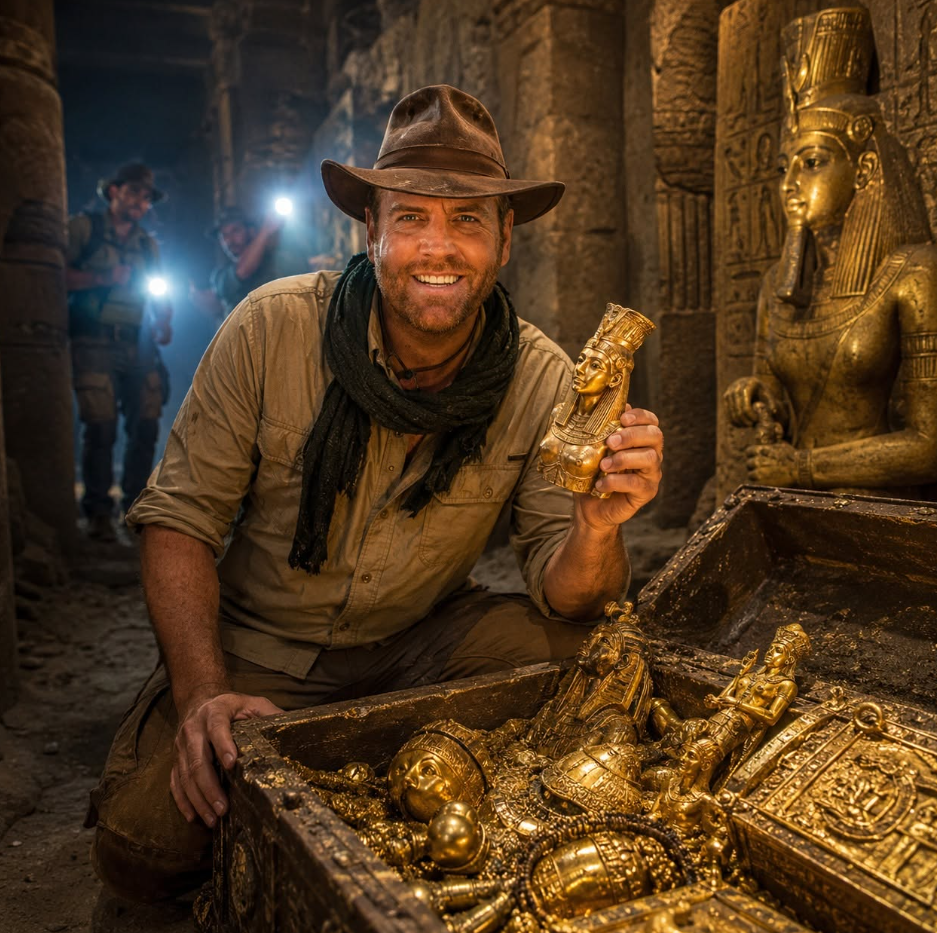
What makes the Ark story so powerful is the way it refuses to stay small. In the Hebrew Bible, the Ark is described as a gold-covered chest built at God’s command, carried through wilderness, and tied to moments of triumph, fear, and judgment. It is a story that has outlived kingdoms, wars, and generations of interpretation. By the time Gates enters the investigation, the Ark is no longer just an object. It has become an idea that people project their deepest hopes and fears onto. That is what gives the episode such intensity. The search is not only about where the Ark might be. It is about why people have never stopped believing it still could be found.
There is something deeply human in that persistence. A lost sacred object invites more than curiosity. It invites longing. The possibility that the Ark still exists somewhere in the world carries the kind of emotional weight that makes even skeptics pause. Gates understands that tension well, and the episode works because it respects both the historical record and the power of belief. The Ark remains powerful precisely because it is unfinished, and unfinished stories are the ones people cannot stop returning to.
Josh Gates Brings a Measured Kind of Wonder to the Quest
One of the reasons this episode stands out is the way Josh Gates approaches the Ark without tipping fully into myth or dismissing the legend outright. He brings the steady, grounded style that has made him so effective across Expedition Unknown: curious, respectful, and unwilling to pretend the answer is easier than it really is. That balance matters here more than ever, because the Ark is not just another treasure hunt. It is a search that sits right on the edge of theology, history, and human imagination.

The phrase “I’m not Indiana Jones, but…” captures that balance perfectly. It acknowledges the cinematic pull of the story while also making clear that Gates is not interested in turning faith into spectacle. He does not treat the Ark like a prop. He treats it like a mystery with real cultural and spiritual weight. That is what gives the episode its emotional depth. Viewers are invited into a quest that feels thrilling, but never cheap. Gates respects the subject enough to let the mystery breathe.
As he moves through ancient tunnels and follows the trail of clues, the story becomes more than an adventure sequence. It becomes a meditation on what people are willing to believe, protect, and preserve across time. The Ark’s biblical history gives the episode a gravity that makes every step feel important. Gates does not need to claim certainty for the story to be powerful. In fact, the uncertainty is what makes it work. The search itself becomes the point, because it reveals how deeply people still care about something that may have vanished thousands of years ago.
Why the Ark of the Covenant Still Captivates the Imagination
The Ark of the Covenant endures because it touches the oldest human questions: Where do sacred things go when they disappear? What happens to faith when history goes quiet? And why do certain objects seem to carry more meaning than the world can comfortably hold? Those questions are what make the story so magnetic, and they are also why Gates’ episode resonates so strongly. It is not just about archaeology. It is about the emotional need to connect with something that feels greater than ourselves.

The Ark has inspired centuries of speculation because it represents both presence and absence at once. It is described as having power, yet it is missing from the historical record after the destruction of Solomon’s Temple in 586 BCE. That gap has fueled endless theories, and every new expedition adds another layer to the mystery. Gates’ journey reminds viewers that the world still contains questions too important to settle quickly. Some mysteries endure because they are solvable. Others endure because they speak to something deeper in the human spirit.
In the end, Expedition Unknown succeeds here because it lets the audience feel the magnitude of the search without forcing a simple answer. Josh Gates does not pretend the Ark is easy to find, or easy to explain. He leans into the weight of the legend and the humility required to chase it. That is what makes the episode memorable. It is not only a hunt for a sacred relic. It is a confrontation with the enduring power of belief, and with the possibility that some of history’s most meaningful objects may remain hidden precisely because they matter so much.
