
Josh Gates Egyptian Pyramid becomes the center of a gripping underground mystery as a hidden chamber beneath the Giza Plateau draws the Expedition Unknown host into a three-day disappearance that ends with a discovery no one expected.
Josh Gates Egyptian Pyramid Search Begins With a Chamber That Changed Everything
Josh Gates Egyptian Pyramid sounds like the beginning of a story built for suspense, but in this case the tension comes from something even more powerful than danger: the feeling that history itself may have been waiting in silence for centuries. On the Giza Plateau, beneath the glare of the desert sun and the weight of countless years, Gates and his team reportedly stood before an entrance that had remained sealed far longer than anyone could remember. What they found beneath one of Egypt’s lesser-known pyramids was not just a passageway, but the opening of a mystery that seemed to stretch deeper than the eye could follow.

That is what makes this story so compelling. The idea of a newly detected chamber beneath a pyramid immediately invites wonder, but it also carries a strange emotional gravity. Pyramids are not ordinary ruins. They are monuments built to outlast time, and anything hidden beneath them feels almost sacred, almost forbidden. When ground-penetrating radar reportedly revealed a maze of tunnels extending deeper than archaeologists had expected, the search stopped feeling like a routine investigation and started feeling like a descent into something ancient that had never truly agreed to be found.
The power of Josh Gates Egyptian Pyramid lies in that mixture of curiosity and unease. Gates has built his reputation on walking into the unknown with calm confidence, but even for an explorer like him, a place that has remained sealed for centuries carries its own kind of pressure. It is not just about what might be waiting below. It is about what it means to disturb a silence that old. And that is where the story becomes unforgettable.
The 72-Hour Disappearance Turned the Expedition Into Something Far More Personal
The most gripping part of this story is the silence that followed. According to the premise, Josh Gates vanished inside the pyramid for 72 hours, and that absence changes everything. An underground search can be dangerous on its own, but a disappearance transforms it into something far more emotional. Time behaves differently when someone enters a place like that. Every hour feels longer. Every delay becomes heavier. Every unanswered question starts to feel like a warning.

That is what gives Josh Gates Egyptian Pyramid such unusual emotional force. The story is not only about hidden stone corridors or forgotten chambers. It is about the fear that comes when an explorer disappears into a place too old, too tight, and too unknown to fully control. In that setting, even the most advanced equipment and the most careful planning cannot completely remove the human element. The team may have been prepared for archaeology, but not necessarily for the emotional weight of waiting, hoping, and wondering whether the man who entered the pyramid would come back at all.
What makes the 72-hour window so effective as a narrative device is that it leaves room for imagination. Three days underground feels long enough for the body to suffer, long enough for the mind to change, and long enough for something extraordinary to happen. That is why the story hits so hard. Gates did not simply explore a chamber. He disappeared into it, and the mystery of what happened during that time becomes part of the legend itself.
What He Brought Back Made the Discovery Feel Bigger Than Archaeology
The ending of the story is what gives it its lasting power. According to the premise, what Gates brought back left experts speechless, which suggests that the real discovery was not just physical. It was interpretive. It may have changed the way people understand the pyramid, the chamber, or the civilization that built it. That is often how the best exploration stories work. The artifact or evidence matters, but the meaning behind it matters even more.
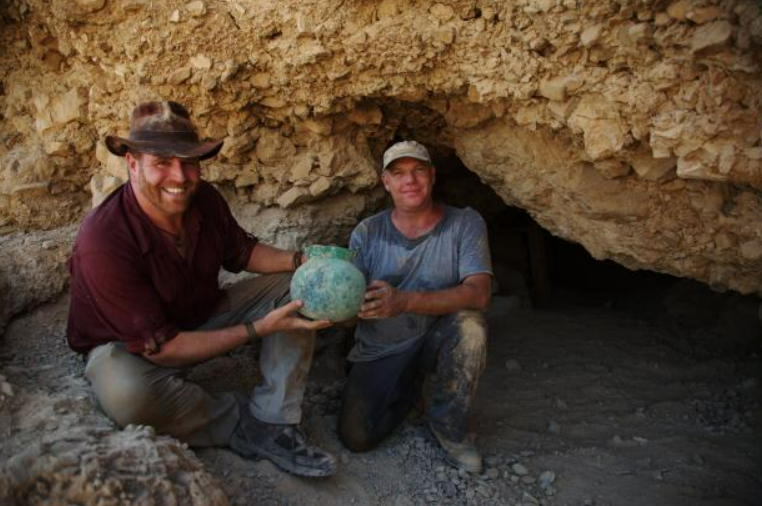
That is why Josh Gates Egyptian Pyramid resonates so strongly. It blends the excitement of discovery with the emotional satisfaction of return. A lost explorer coming back from a sealed chamber after three days carries a powerful symbolic weight. It suggests resilience, curiosity, and the strange way history sometimes reveals itself only after a person is willing to risk being changed by it. Experts may be speechless not because of spectacle, but because whatever Gates found seems to have altered the shape of the question itself.
In the end, this story works because it feels bigger than one expedition. It is about a sealed doorway, a vanished host, and a discovery that seems to have outgrown the category of simple archaeology. It reminds us that the ancient world still has the power to surprise us, and that some of its most important secrets may only be reached by those willing to step into darkness and stay there long enough to listen. That is why Josh Gates Egyptian Pyramid feels so powerful: not just because of what was found, but because of what it took to bring it back.
