Sometimes Oak Island gives the team something that feels bigger than treasure. Not because it shines more brightly, but because it carries a deeper kind of weight. A 700-year-old necklace buried deep beneath the island may be one of those discoveries — a small object with an enormous story behind it. If the find is real, then Rick Lagina may have uncovered not just an artifact, but a human trace that could change the way we understand Oak Island forever.
The kind of discovery that changes the atmosphere
Oak Island has always been a place where hope and frustration live side by side.
The team has spent years digging, scanning, testing, and returning to the same stubborn ground that has resisted them at every turn. Most seasons end the same way: with more questions than answers. But every now and then, Oak Island produces a discovery so personal, so unexpected, that it changes the tone instantly.
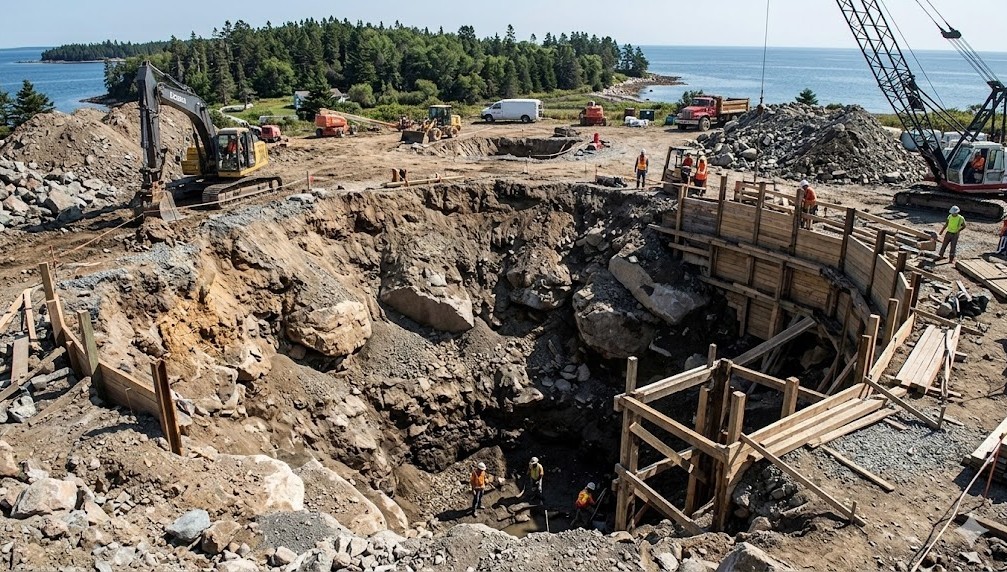
A necklace does that.
A necklace is not the kind of object people usually imagine when they think of hidden treasure. It is not a chest, not a gold pile, not a vault full of riches. It is something more intimate. Something worn close to the body. Something that belonged to a person, not just a fortune.
That is what makes this discovery feel different from the start.
If Rick Lagina really uncovered a 700-year-old necklace deep beneath Oak Island, then this is no ordinary artifact. It is a relic that reaches into the medieval world, into a time when symbols, status, and secrecy were often bound together. It may be valuable in money, but its real value is emotional. It reminds us that behind every buried object was once a person who lived, carried it, valued it, and somehow lost or hid it.
That human element is what gives the discovery its power.
It does not just ask what the necklace is worth.
It asks who it belonged to.
Why the necklace matters more than its age
The estimated age alone would make this find remarkable. A 700-year-old object does not survive by accident, especially not in a place like Oak Island, where the ground seems determined to keep its secrets sealed. If the necklace truly dates back that far, then it belongs to a medieval world shaped by trade, movement, rank, and belief.
That immediately changes the conversation.
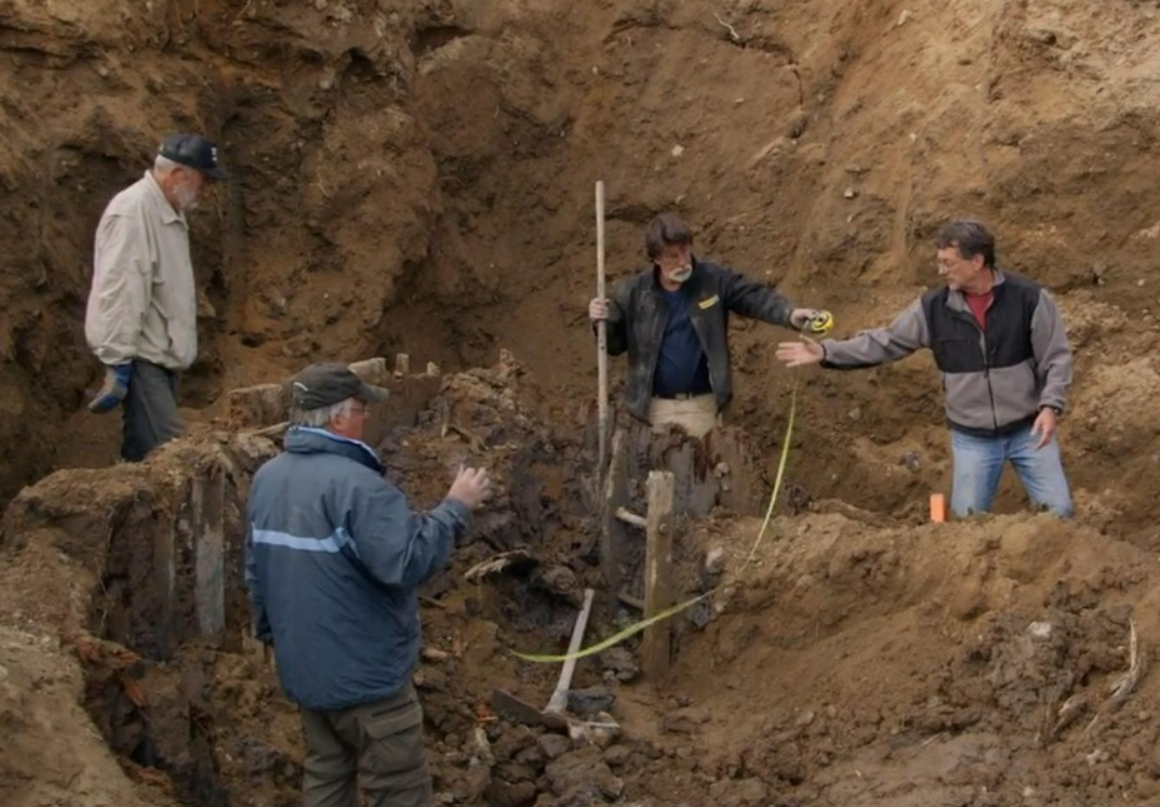
Because a necklace from that era is not just jewelry. It may have signaled status, loyalty, devotion, or identity. It may have been part of a religious tradition, a noble family’s possession, or a meaningful object hidden during a time of conflict or travel. On Oak Island, that possibility is what makes the find so compelling. The object is small, but the implications are huge.
Who would bury something so carefully?
Why would it be hidden deep enough to survive centuries?
And most importantly, what was happening on this island when it was placed there?
Those questions matter because Oak Island has always rewarded clues that point beyond themselves. A ring can lead to a route. A coin can suggest a trade network. A necklace can imply a person, a family, or even a larger buried cache. If this necklace was intentionally hidden, then it may have been part of a larger story that the team has only begun to uncover.
The island may not simply be protecting a treasure.
It may be protecting a history.
The emotional weight of something once worn by someone
What makes this discovery especially powerful is that it feels personal in a way most Oak Island finds do not.
A necklace is a deeply human object. It sits against the skin. It carries meaning close to the heart. It is chosen, worn, and often cherished. That means when one turns up buried beneath Oak Island, the object feels less like property and more like presence. It carries the feeling that someone once lived through this place, carried this object through their life, and left it behind in a moment that still has not been fully understood.
That is why the question “Who placed it there?” hits so hard.

If the necklace was hidden on purpose, then someone made a decision that mattered enough to preserve it for generations. If it was lost during movement across the island, then it may point to a larger line of activity that has not yet been mapped. Either way, the necklace becomes a thread pulling the team toward something bigger than value alone.
Rick’s discovery, if confirmed, may be one of those rare Oak Island moments that feels almost quiet on the surface but immense underneath. Not because it is flashy. Not because it is the biggest object ever found. But because it feels human. It feels intentional. It feels like the kind of relic that can only survive if someone wanted it to.
That emotional resonance is what makes viewers stop and pay attention.
Because Oak Island is at its best when it reminds us that every artifact was once held by a living person with a story. This necklace may be one of those moments.
What the experts may be racing to prove
The urgency now comes from what the necklace could reveal next.
Experts will want to know its origin, its metal composition, its craftsmanship, and whether it fits into any known medieval tradition. They will want to determine whether it belonged to a noble class, a religious order, a traveler, or someone connected to a buried route or hidden system on the island. Those answers could turn one necklace into a larger historical map.
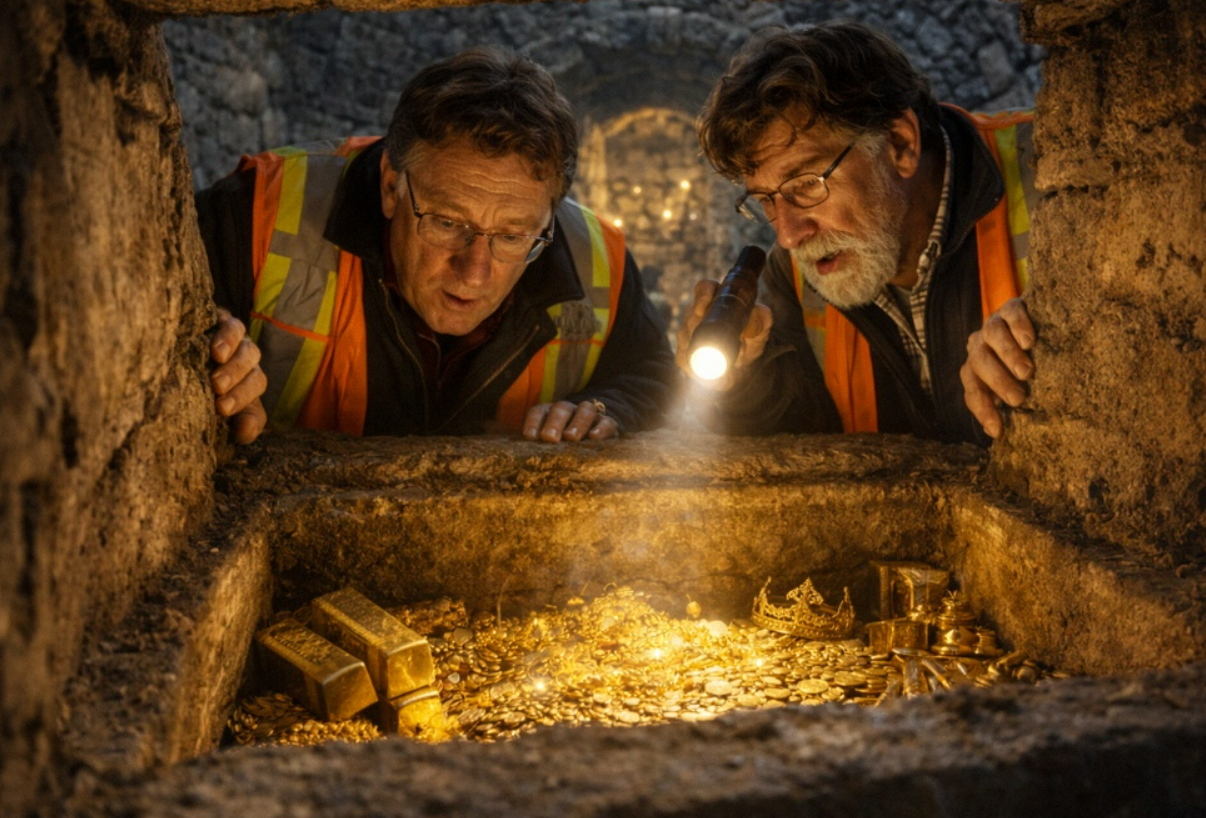
If the necklace proves to be authentic and intentionally placed, then Oak Island may be sitting on a much richer story than treasure alone. It may be a place where hidden valuables, personal symbols, and long-buried intentions all converge. That is the kind of discovery that can redirect an entire season. It changes where the team looks, how they interpret old clues, and what they believe the island was used for in the first place.
And that is why this moment feels so important.
A necklace does not usually rewrite history.
But on Oak Island, even the smallest object can do exactly that.
If Rick Lagina really unearthed a 700-year-old necklace, then the island may be telling the team something it has never said plainly before:
This was never just a treasure hunt.
It was always a search for the people who tried to hide their world beneath the ground.
