
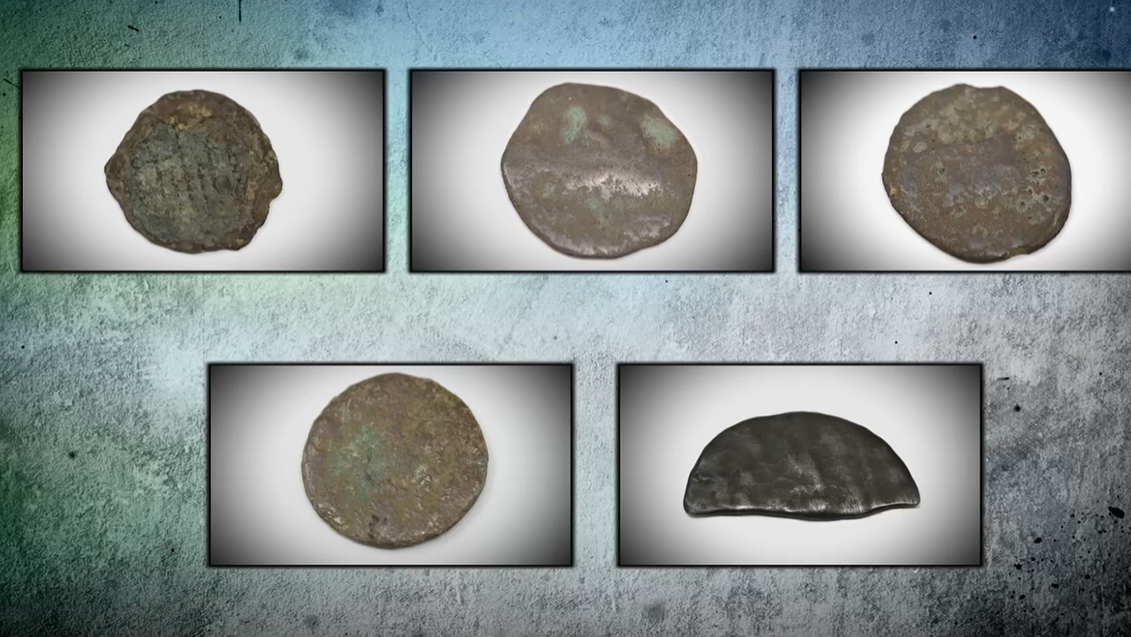
The search team may have just uncovered one of the most unsettling patterns Oak Island has ever produced. In Lot 5, another Roman coin has surfaced, pushing the total number of ancient coins found on the island to five. And this is not just a story about a coin. Some of these pieces date back to 500–300 BC, which means the island may be holding onto something far older, stranger, and more deliberate than anyone first imagined. The real question is no longer whether these coins are valuable. It is whether they were left by one person — or whether Oak Island has been quietly preserving a much deeper mystery all along.
The moment Lot 5 stopped feeling random
Oak Island has always had a way of turning one find into a much larger problem.
A coin in the dirt should be exciting. A second coin should be surprising. But five ancient coins found on the same island, with one of them turning up again in Lot 5, begins to feel different. It is no longer just a collection of artifacts. It is a pattern. And patterns on Oak Island are never small.
That is what gives this discovery its power. Lot 5 has become one of those places where the search team cannot simply dismiss what they find as loose debris or a coincidence from a later era. Another Roman coin in that area makes the ground feel loaded with intention. Something about Lot 5 keeps producing clues that seem to belong to a much older world — a world of circulation, trade, influence, and hidden movement.

For Rick, Gary, Marty, and the rest of the team, that kind of repetition is what changes the emotional temperature of the search. A single coin can be lost. Two can be explained. But five ancient coins, some of them dating from 500–300 BC, begin to suggest that Oak Island may have been part of something far larger than a simple buried cache.
That is where the tension starts to build.
Because once a place gives up multiple ancient coins, it stops looking like a random hiding spot and starts looking like a point of convergence. A place where something passed through. A place where things were intentionally left behind. Or a place where someone knew exactly how to keep valuables from being found for centuries.
And that thought changes everything.
Why five ancient coins matter more than one
The value of ancient coins is not just financial. It is historical. It is symbolic. It is emotional.
Coins are among the most human objects ever made. They move from hand to hand, from port to port, from pocket to pocket. They carry the imprint of trade, power, and movement. A single coin can survive a thousand small journeys and still keep its shape. That is why finding one ancient coin is already remarkable. Finding five on Oak Island is something else entirely.
Photos: History
It suggests circulation. It suggests contact. It suggests that the island may have been touched by people who were carrying more than just their personal belongings. If some of these coins date to 500–300 BC, then they do not merely point to a colonial or pirate-era story. They push the island into a much deeper historical conversation. That kind of age means the coins may have traveled through hands and systems that predate most of the theories people usually associate with Oak Island.
That is where the deeper mystery begins to sharpen.
Were the coins hidden together by a single person, as part of one deliberate act of concealment? Or were they placed at different times by different hands, each one adding another layer to the island’s buried history? Either answer opens a different path. A single person suggests a cache, a plan, a final effort to protect something valuable. Multiple hands suggest repeated use of the island over time, which would make Lot 5 feel less like a hiding place and more like a site of ongoing activity.
That is a very different idea.
It means the island may not be preserving a moment. It may be preserving a sequence.
And sequences are much more dangerous to old theories, because they imply organization. They imply that what looks like scattered evidence may actually be the remains of a much larger historical system.
That is why these coins feel so significant. Not because they are rare — although they are. Not because they are old — although they are. But because they may be the first pieces of a map the team did not know it was holding.
The possibility of a deeper mystery beneath Lot 5
This is where Oak Island starts to feel especially alive.
If the coins were hidden by one person, then Lot 5 could be the location of a deliberate deposit — maybe a cache, maybe a marker, maybe something connected to a larger secret still buried nearby. But if the coins came from different times or different sources, then the island may have been used repeatedly, by different people for different reasons. That would completely reshape the way the team understands the site.
The possibility is thrilling because it means the coins are not just objects. They are clues to behavior. They suggest movement through the island, decisions made long ago, and the possible existence of a hidden route or storage point that was too useful to be used only once.
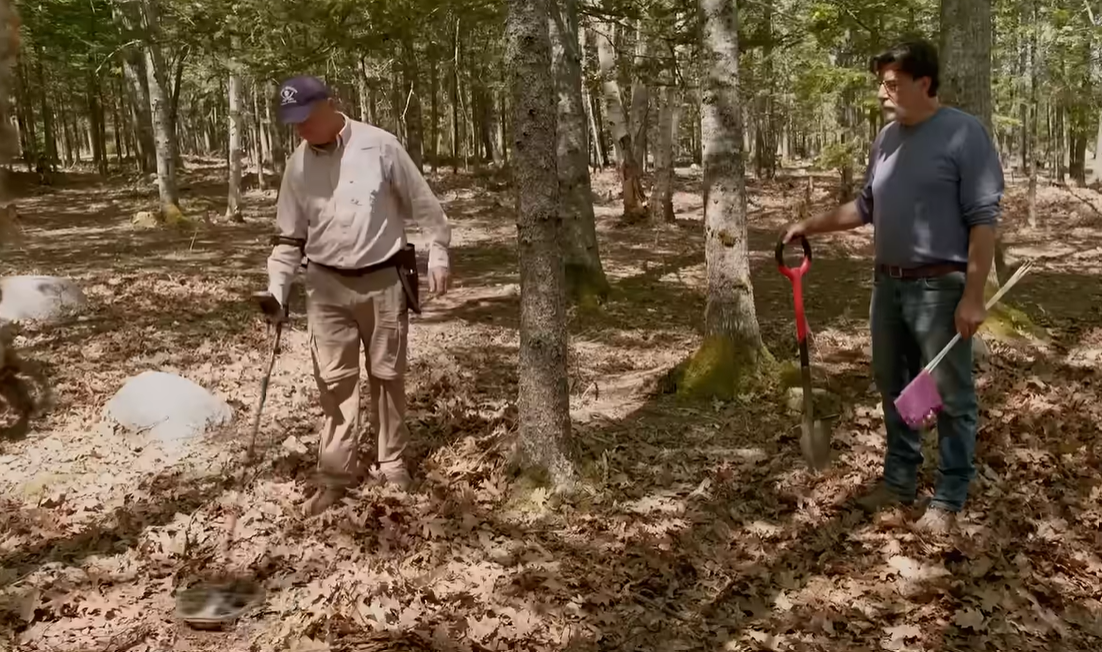
Rick and Marty’s team has spent years chasing the feeling that Oak Island is more than a single treasure story. Five ancient coins, especially with some dating back to 500–300 BC, may be one of the strongest signs yet that the island’s history is layered in ways that no single explanation can fully cover. That is what makes this discovery feel so urgent. It does not close the case. It expands it.
Photos : History
And that expansion is exactly what keeps viewers hooked.
Because every coin raises a new question: who carried it, where did it come from, and why was it hidden here at all? When the team finds one piece, it feels like luck. When they find five, it feels like intention. And intention is where Oak Island becomes truly fascinating.
The more the team learns, the more Lot 5 begins to feel like a place where the past was not simply buried — it was organized. Maybe by one person. Maybe by many. Maybe over a long period of time. But clearly not by accident.
That is the kind of discovery that can change a season.
And if these coins are truly connected, then Oak Island may be hiding a deeper historical mystery under Lot 5 than anyone expected.
