
Some Oak Island theories fade after one discovery fails to support them, but the Templar theory has a strange way of returning whenever the investigation turns toward medieval clues, unusual symbols, and questions about who may have reached the island before the famous treasure story began. The theory does not claim that the Knights Templar built the Money Pit, nor does it offer a settled answer to what lies beneath the island. Instead, it survives because it gives the mystery a broader historical shape, one filled with secrecy, travel, religious orders, lost knowledge, and the possibility of an older Atlantic connection. Rick and Marty Lagina have followed many paths across the island, yet the Templar thread remains one of the most debated. It is not confirmed, but it continues to raise questions that refuse to stay buried.
A Theory Built Around More Than Treasure
The Templar theory appears in the Oak Island investigation whenever the search moves beyond the simple idea of buried valuables. It often enters the conversation through medieval-style interpretations, unusual markings, old European connections, and artifacts that seem difficult to place within a straightforward colonial timeline. Rick and Marty Lagina, along with researchers, historians, archaeologists, and metal-detecting specialists, have repeatedly examined whether certain clues could belong to a much older story. These discussions usually involve places that already carry heavy mystery, including the Money Pit area, the swamp, and different lots where artifacts have raised fresh questions. For newer viewers, the key point is that the theory is not treated as a conclusion. It is a possible lens through which some parts of the island’s strange evidence are examined.
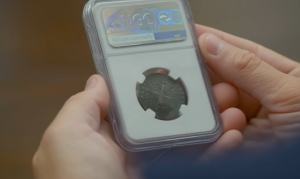
What makes this theory different is that it gives the island a motive that feels larger than ordinary treasure hiding. The Knights Templar were a medieval military and religious order whose real history has long been surrounded by legend, speculation, and mystery. Over time, stories about the Templars have become linked to hidden relics, secret knowledge, coded symbols, and lost archives. Oak Island, with its tunnels, strange finds, and unresolved timeline, naturally attracts those kinds of ideas. The team has wondered whether certain clues may suggest an older European influence, but that remains very different from saying the Templars were physically present. The power of the theory comes from the way it connects atmosphere, history, and possibility without yet becoming fact.
This is why the Templar thread refuses to vanish even when no single discovery settles it. A carved stone, a lead object, a shaped piece of metal, or a possible symbol can all become part of a larger question once they are placed beside medieval history. Yet each clue also carries the burden of proof. Was it created in the period people imagine, or did it arrive through later colonial activity? Was it connected to a meaningful historical pattern, or is the connection only tempting because the island already feels mysterious? The investigation becomes interesting precisely because the answers are not clean. The theory survives in the uncertain space between what the evidence shows and what it may suggest.
Why the Templar Link Keeps Pulling the Mystery Backward
The Templar theory attracts attention because it pushes Oak Island’s story backward in time. Many treasure theories focus on pirates, colonial figures, or military activity, all of which feel easier to place within the more familiar history of the Atlantic world. The Templar idea reaches further, toward medieval Europe and the possibility that knowledge, symbols, or objects could have traveled through later networks. That does not mean the theory has been confirmed, and it should not be treated as though it has. Still, it appears to raise questions about whether the island’s mystery began earlier than the common treasure legend suggests. That possibility gives the investigation a deeper and more cinematic pull.
The theory also matters because it changes the central question. Instead of simply asking what might be buried, it asks why someone would go to such effort to hide, protect, or mark something in the first place. A treasure theory can explain greed, danger, or secrecy, but a Templar-style theory suggests purpose, ritual, memory, and belief. That is why viewers often respond strongly to the idea, even when the evidence remains incomplete. It offers a mystery with emotional weight, not just material value. It asks whether the island could be connected to something people once considered important enough to guard across generations.

At the same time, the theory is risky because it can easily become larger than the evidence. A symbol may resemble something medieval without proving a direct Templar connection. An artifact may appear old without identifying who brought it to the island. A European clue may point to trade, settlement, military movement, or later activity rather than a secret order. This is where careful analysis becomes essential. The strongest version of the theory is not the loudest one, but the one that admits what remains unclear.
The Unfinished Question Beneath the Legend
The Templar theory remains important because it reflects how Oak Island has evolved as a mystery. At first glance, the island may seem like a story about buried treasure, hidden chambers, and the long search for a final discovery. But over time, the investigation has become just as much about history, origin, and interpretation. Every object pulled from the ground asks where it came from and why it matters. Every old feature raises questions about who shaped the island and when. The Templar theory stays relevant because it offers one possible explanation for why the island’s clues sometimes feel older and stranger than expected.
Still, the mystery remains open, and that is the most important part of the story. No accepted piece of evidence has settled the Templar question, and no responsible article should pretend otherwise. The theory may suggest a deeper medieval layer, but suggestion is not proof. It could point to a forgotten connection, or it could eventually turn out to be a powerful idea built from coincidence, atmosphere, and partial clues. That uncertainty does not weaken the article’s subject. It is exactly what makes the topic worth examining.

Oak Island holds attention because it resists easy endings. A theory appears, a clue supports part of it, another clue complicates it, and the ground seems to close again before a full answer can be reached. The Templar thread fits that pattern perfectly. It is dramatic enough to capture the imagination, but incomplete enough to remain debated. It gives the island a medieval shadow without removing the need for evidence. That balance is what keeps the theory from feeling finished.
In the end, the Templar theory refuses to disappear because it speaks to the deepest version of the Oak Island mystery. It asks whether the island is only a place where something was hidden, or whether it might be a place where different histories collided and left behind fragments. The answer remains unclear, and the connection has not been confirmed. Yet the question still has force because it turns every symbol, artifact, and old structure into part of a larger puzzle. As long as the island continues to produce clues that feel difficult to place, the Templar theory will remain waiting at the edge of the story. Not as the final answer, but as one of the most persistent questions Oak Island has ever raised.
