
Josh Gates Says the Journey Is the Real Discovery in a reflective new conversation about the evolution from Destination Truth to Expedition Unknown, the hidden grind behind each episode, and why the most meaningful part of exploration is often the experience itself.
Josh Gates Says the Journey Is the Real Discovery in His Career
Josh Gates Says the Journey Is the Real Discovery is more than a good line from an interview. It feels like the clearest way to understand how his career has changed, and why viewers have stayed with him for so long. For years, Gates has been the face of adventure television’s most curious questions, first through the wilder, more paranormal energy of Destination Truth, and later through the more grounded, historically driven investigations of Expedition Unknown. What stands out in that evolution is not just that his shows changed, but that he changed with them. He moved from chasing legends to chasing evidence, from spectacle to substance, and from the thrill of the impossible to the deeper satisfaction of understanding why a mystery matters in the first place.
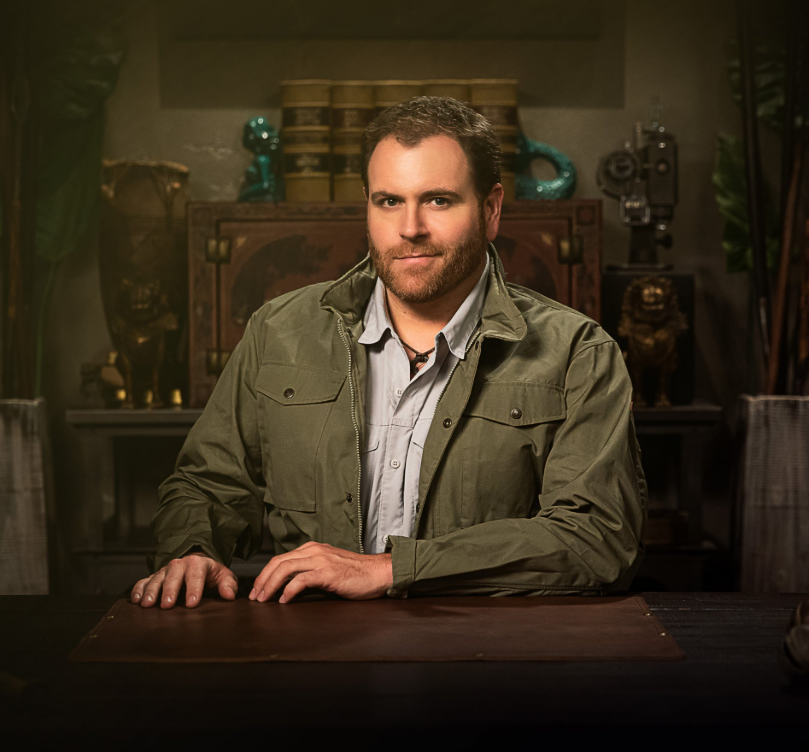
That shift gives his work a rare kind of honesty. It would have been easy for Gates to keep leaning into the supernatural because that is often what gets attention fastest. Instead, he chose a more difficult path, one that values archaeology, field research, local expertise, and patience. That decision says a lot about him as a storyteller. He is not simply trying to entertain an audience with strange stories. He is trying to bring them closer to the truth, even when that truth is slower, messier, and less sensational than legend. In that sense, Josh Gates Says the Journey Is the Real Discovery becomes a statement about the kind of television he believes in: one where curiosity matters more than certainty.
The Real Work Happens Long Before the Cameras Roll
One of the most striking parts of the interview is the reminder that what viewers see on television is only the final layer of a much longer process. A single episode may take months of planning before a camera ever starts rolling. Permits have to be secured, local experts contacted, transportation arranged, equipment tested, safety risks assessed, and logistics coordinated across locations that are often far from easy to reach. That hidden labor is part of what makes adventure television feel so rewarding when it works, because every scene is built on a foundation of persistence that the audience rarely sees.

Gates’ stories from places like Antarctica and Siberia make that reality even more vivid. In freezing conditions, drones fail, batteries die quickly, and simple tasks become much harder than they look on screen. Those kinds of moments strip away the illusion that exploration is glamorous. Instead, they reveal it as a test of endurance, adaptability, and trust in the team around you. That is what makes his perspective so compelling. He understands that a breathtaking shot is usually the result of hours, sometimes days, of frustration, waiting, and careful planning. When he talks about the behind-the-scenes effort, he is not diminishing the magic. He is showing where the magic comes from.
That honesty also helps explain why his work still resonates. People are drawn to the finished story, but they sense the effort behind it. They can feel that what Gates presents is not manufactured for effect. It is earned. Josh Gates Says the Journey Is the Real Discovery because the journey itself is where the work, the risk, and the meaning all happen.
Why Gates Still Inspires Viewers to Explore the World Differently
What may be most memorable about the conversation is Gates’ belief that not every mystery needs to be solved to be valuable. That idea runs through his work in a way that feels increasingly rare. In a media culture that often rewards fast answers and instant conclusions, Gates keeps returning to the value of asking better questions. He seems to understand that exploration is not only about finding objects or proving theories. It is also about encountering people, learning from cultures, and letting the unexpected reshape your perspective.
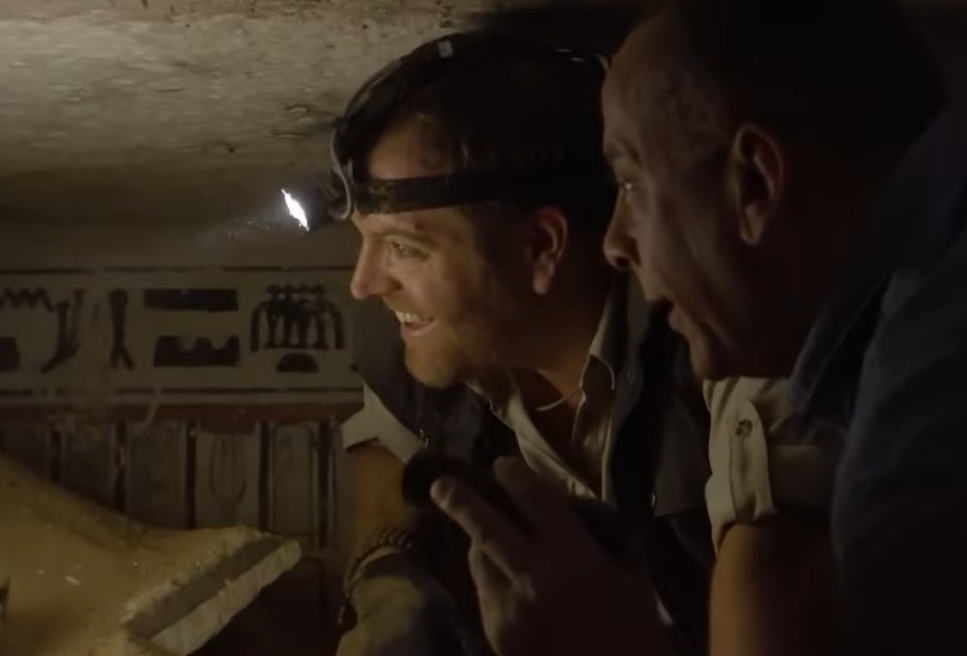
That philosophy is a big part of why his shows continue to matter. Viewers do not just tune in because they want to know whether a lost city, a buried artifact, or a strange historical event can be explained. They tune in because Gates makes the search feel human. His curiosity feels authentic, and that authenticity gives his programs emotional weight. Even when he does not uncover the exact answer everyone hoped for, he still gives audiences something useful: a stronger appreciation for the questions themselves.
His advice that adventure can begin close to home is especially resonant. A paper map, an unfamiliar road, a break from routine, or even a simple willingness to look beyond the usual can reopen the feeling of exploration. That is a powerful message in a world where nearly every place has been photographed and reviewed before we arrive. Gates reminds people that discovery starts in the mind long before it reaches the destination. In the end, that may be the reason his work stays with viewers. He does not only show them what to look at. He shows them how to look.
