
The Hill of Crucifixion becomes the center of a deeply atmospheric Expedition investigation as Josh Gates explores the place where Jesus and the two thieves were said to be crucified, following the traditions of Helena, the Holy Cross, and a church built over one of Christianity’s most sacred sites.
The Hill of Crucifixion Still Carries the Weight of Two Thousand Years
The Hill of Crucifixion is one of those rare places where history and faith seem impossible to separate. Long before modern cameras, modern archaeology, or modern debate, this hill had already become part of a story that changed the world. According to Christian tradition, it was here that Jesus and the two thieves were crucified, turning a rocky rise outside the city into one of the most sacred locations in the Christian imagination. For Josh Gates, stepping into that story is not simply a matter of standing on ancient ground. It is about entering a place where belief, memory, and history have been layered together for centuries.
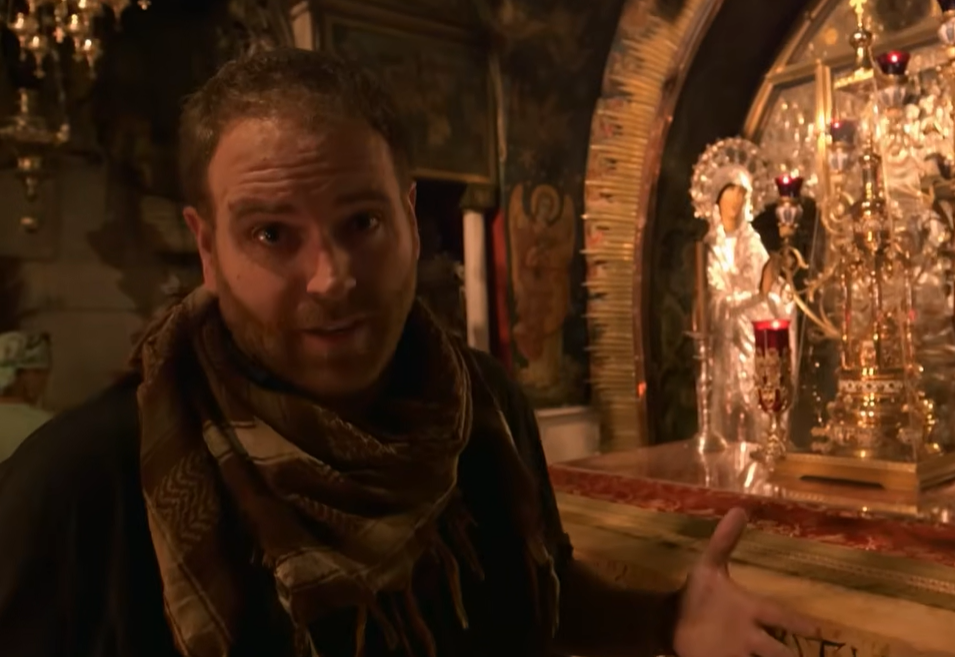
What makes this episode so compelling is the emotional scale of the setting. A crucifixion site is not just a location. It is a place shaped by suffering, transformation, and the weight of what people remember about it. Gates approaches the story with the same curiosity he brings to lost cities and buried treasures, but here the atmosphere is different. The questions are not only archaeological. They are spiritual. They ask how a place becomes holy, how tradition survives, and why certain sites continue to draw people even when time has buried almost everything else around them.
That is what gives The Hill of Crucifixion its power. It is not only about where something happened. It is about why that place still matters. The hill remains a focal point for faith because it holds one of the most defining moments in the Christian story. Gates’ journey into that history allows viewers to feel the solemnity of the site and the enduring force of a story that has never stopped reverberating across centuries.
Helena, the Church, and the Chamber Beneath the Sacred Site
The episode becomes even more intriguing when Gates follows the trail of Helena, the mother of Emperor Constantine, who according to Christian tradition traveled to Jerusalem centuries later in search of the cross. Her story adds a second layer of wonder to The Hill of Crucifixion, because it suggests that the sacredness of the site was not only preserved by memory, but actively rediscovered and protected by later generations. Helena’s search for the cross has long been part of Christian tradition, and the idea that the cross was divided into three pieces only deepens the sense that the site’s meaning was carefully carried forward through time.
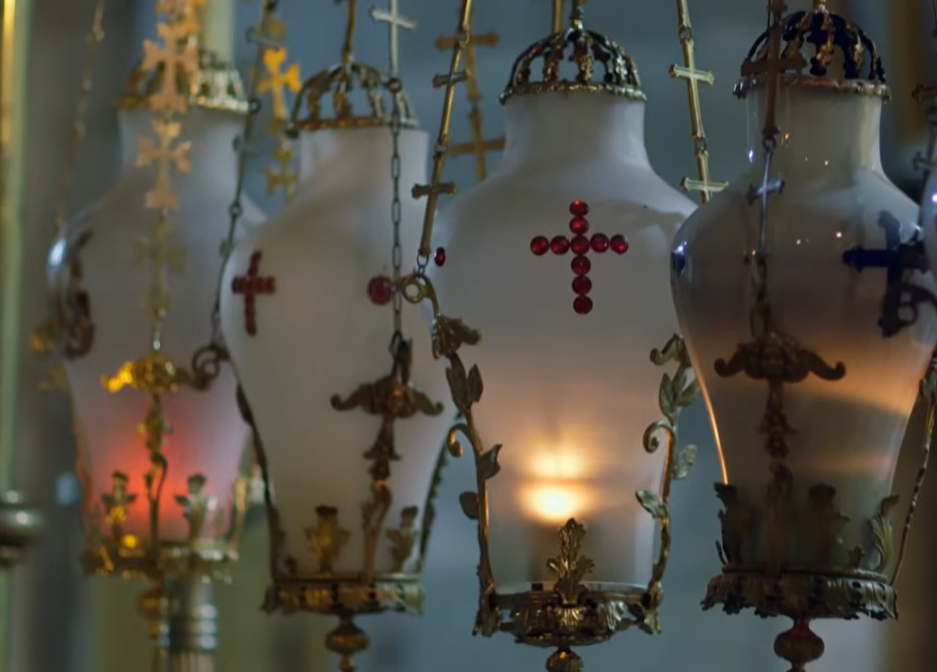
Josh Gates’ meeting with a Greek Orthodox bishop gives the investigation a grounded, respectful tone. Rather than treating the site like a spectacle, the episode treats it as a living place of devotion. Touring and exploring the mysterious chamber inside the church, considered by many to be its holiest space, gives the story a rare intimacy. The chamber is not merely an archaeological feature. It is a space where tradition, prayer, and history meet. That is what makes the episode feel so charged. It is not about chasing rumor. It is about stepping into a place where belief has been physically embedded into stone.
This is where Gates is at his best. He knows how to let a place speak for itself. He does not rush to over-explain or strip away its mystery. Instead, he listens. He lets the chamber, the bishop, and the surrounding story create their own emotional rhythm. The Hill of Crucifixion becomes more than a search for ancient evidence. It becomes a meditation on how sacred places are kept alive across generations, even when the details of their history remain partly hidden.
Why This Biblical Mystery Still Resonates So Strongly
Part of the reason The Hill of Crucifixion remains so powerful is that it stands at the intersection of faith and history in a way few places can. It is tied to one of the most important stories in the Bible, yet it is also surrounded by the practical reality of archaeology, tradition, and the passage of time. That combination creates a tension that is both intellectual and emotional. Viewers are invited not just to learn, but to feel the significance of the site.
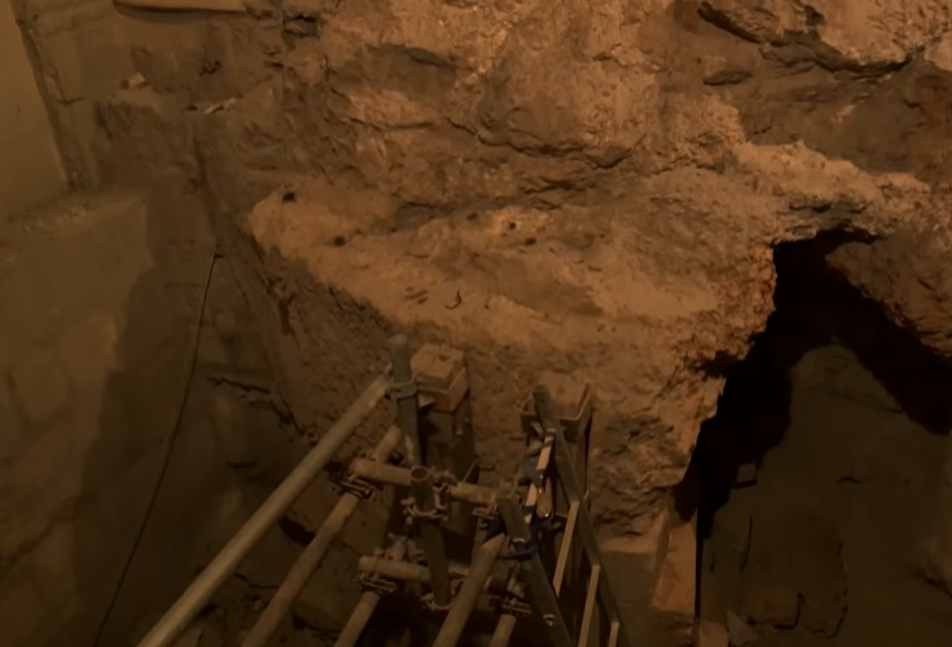
Josh Gates understands that some stories are not about proving a belief right or wrong. They are about understanding why people have held onto a place so tightly for so long. The search for the cross, the church built over the hill, the holy chamber beneath it, and the traditions passed down through the centuries all point to the same deeper truth: some locations carry meaning because generations of people have invested them with reverence. That reverence is part of the evidence, too.
In the end, The Hill of Crucifixion works as a story because it does what the best explorations do. It brings the viewer close to something ancient and sacred without pretending to reduce it to a simple answer. Gates’ journey reminds us that the most powerful mysteries are often not the ones with the biggest treasure or the loudest reveal. They are the ones that continue to inspire awe, reflection, and a sense that we are standing in the presence of something much larger than ourselves.
