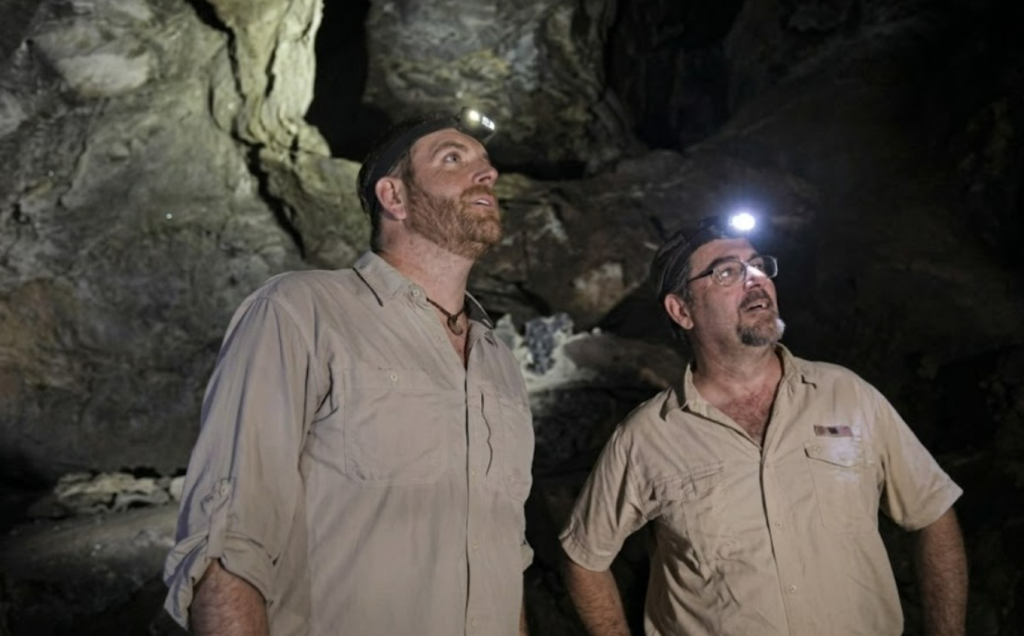
Why the Oaxaca cavern collapsed has become the central question after Josh Gates’ touch near the treasure reportedly triggered a terrifying cave failure, sending the expedition into chaos and leaving geologists, researchers, and fans searching for the real reason the chamber gave way.
Why the Oaxaca cavern collapsed has become the most haunting question surrounding the rescue
Why the Oaxaca cavern collapsed is now more than a technical mystery. It has become the emotional core of a story that feels part archaeological thriller, part survival nightmare. In the moment Josh Gates reached toward the treasure, the cavern reportedly changed in an instant. What had been a tense but controlled exploration suddenly turned into panic, dust, and falling stone. For everyone inside that chamber, there was no time to understand what had happened. There was only the instinct to survive.
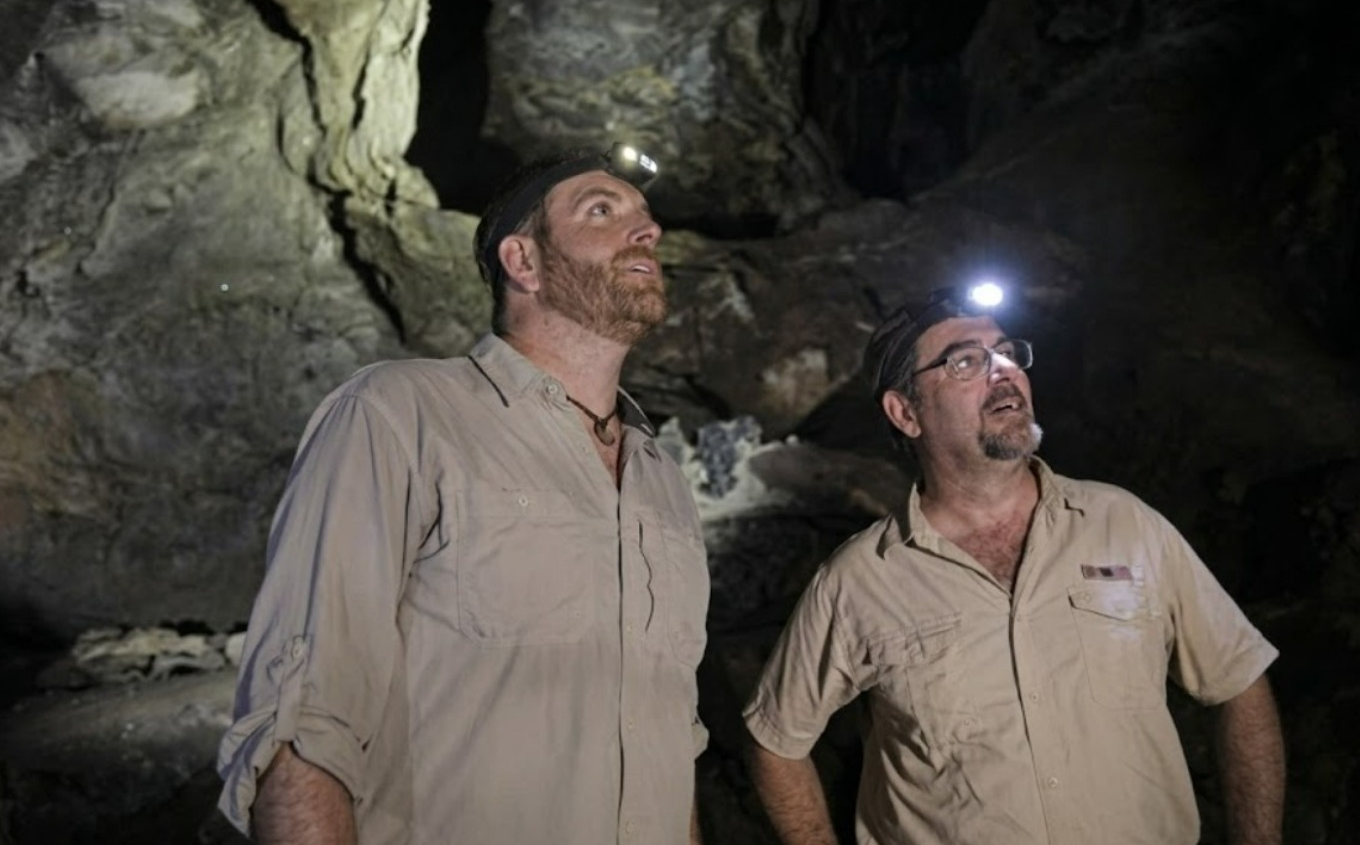
That is what makes the story so powerful. The human mind wants a neat explanation when disaster strikes, especially in a place as old and fragile as a Zapotec cavern. But collapses like this are rarely simple. They can be caused by shifting rock, hidden voids, vibration, pressure, moisture, or damage that had been building for years without anyone seeing it. Still, the timing of the collapse has made the moment feel almost mythic. The idea that the cave gave way the instant Gates touched the treasure has turned the event into something more than an accident. It has become a question people cannot stop asking.
The emotional weight of why the Oaxaca cavern collapsed comes from that split second between discovery and disaster. One moment, the team may have felt close to history. The next, history seemed to close in on them. That contrast is what gives the story its force. It reminds viewers that exploration is never only about what is found. It is also about what can be lost in an instant when the ground decides to move.
Geologists and researchers are now debating whether the collapse was natural or a warning nobody understood
The most intense part of the debate is whether the collapse was simply a natural failure or whether the chamber itself had already been on the edge of collapse long before the treasure was touched. That is where the story becomes less about mystery in the dramatic sense and more about mystery in the geological sense. Ancient caves carry weight in every direction. Their ceilings are old, their walls are stressed, and their stability can change faster than most people realize. A single touch, a shift in air, or a subtle vibration might be enough to trigger a chain reaction if the structure was already vulnerable.
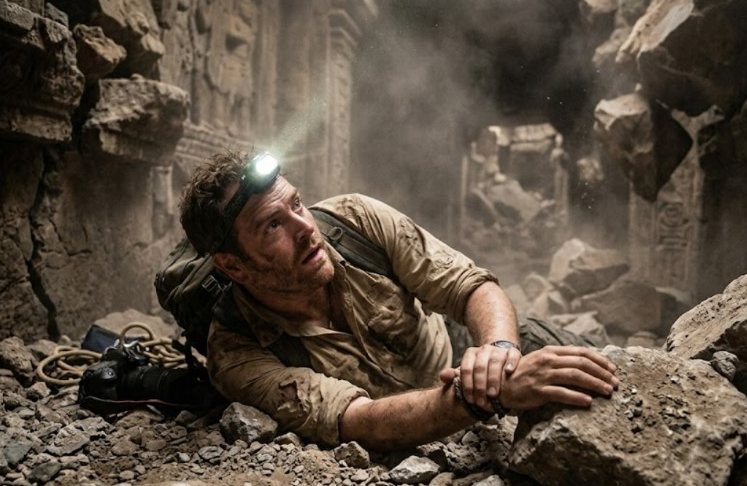
At the same time, the legend surrounding the incident is what keeps the public conversation alive. When an event happens at exactly the moment treasure is reached, people naturally look for meaning. They wonder whether the cave was already unstable, whether the treasure had been sealed in a way that disturbed the chamber, or whether the collapse was simply a cruel coincidence. That uncertainty is what gives why the Oaxaca cavern collapsed its grip. It leaves room for science, but it also leaves room for fear.
For the rescue crews and production team, the cause may matter less than the aftermath. Once a cavern begins to fail, the priority becomes getting everyone out alive. But for the audience, the debate over what triggered the collapse becomes part of the larger story. It turns a rescue into a puzzle and a treasure hunt into a warning. It also gives the episode a strange emotional depth, because it suggests that the chamber may have been unstable in ways no one fully appreciated until it was too late.
Why this moment feels bigger than a single accident
Why the Oaxaca cavern collapsed resonates because it sits at the intersection of danger, history, and human curiosity. Treasure stories have always carried a certain pull, but when they end in disaster, they become even more unforgettable. That is because they expose the fragile line between wonder and consequence. The deeper the team goes, the more the audience feels the risk. The closer they get to the treasure, the more the story seems to ask whether some things were meant to stay buried.
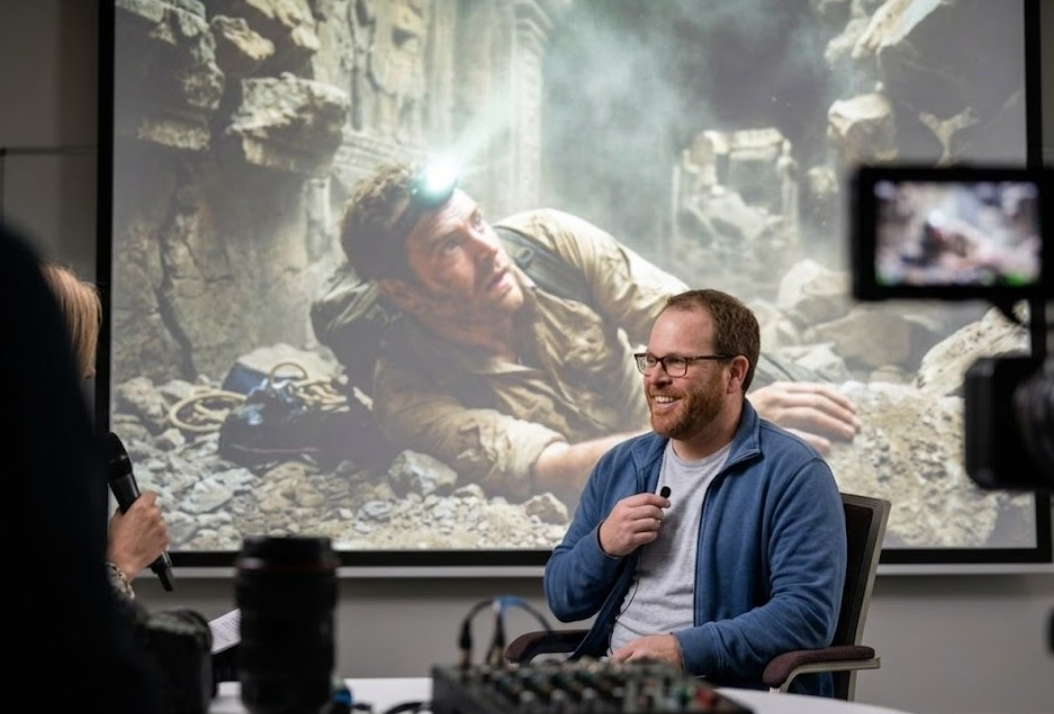
Josh Gates’ role in that moment makes the story even more compelling. He is known for moving toward the unknown, for following clues that others might ignore, and for treating history like something alive. That personality makes the collapse feel personal to viewers, because they are not watching a nameless expedition. They are watching a familiar explorer step into a moment where knowledge and danger collide. That emotional connection is part of why the story has spread so quickly. People care not only about what collapsed, but about what Gates saw in that instant before everything changed.
In the end, why the Oaxaca cavern collapsed may never be reduced to a single satisfying answer. It may have been geology, pressure, age, vibration, or a combination of all four. But the story will keep living because it captures something larger than the mechanics of a cave failure. It captures the shock of being that close to discovery and that close to disaster at the same time. And that is why the moment feels unforgettable. It is not just about a cavern falling apart. It is about the terrifying possibility that history itself can react when we reach too far into it.
