
Yamashita Gold sends Josh Gates deep beneath Manila’s streets in a gripping search through sealed forts, wartime tunnels, and forgotten chambers where history, danger, and legend collide.
Yamashita Gold Pulls Josh Gates Into One of Manila’s Darkest Mysteries
Yamashita Gold has long lived in the space between history and legend, and that is exactly what makes it such a powerful story for Josh Gates to chase. The rumor of wartime treasure hidden by Japanese forces during World War II has fascinated treasure hunters for generations, but the deeper question has always been the same: if the treasure is real, what else was buried with it? In Manila, that question becomes more than a legend. It becomes a journey into places shaped by fear, secrecy, and the scars of war.

What makes this investigation so compelling is the setting itself. Manila is not just a city with history. It is a city where history is still visible in the walls, tunnels, and underground chambers left behind by conflict. When Gates steps into a sealed fort in search of clues, the atmosphere changes immediately. This is not a sunken ship or a forgotten jungle trail. It is a place built for survival, concealment, and defense. That gives the search a heavier emotional weight, because every stone seems to carry memory.
The appeal of Yamashita Gold is that it promises more than treasure. It promises truth. For decades, stories about hidden wartime caches have drawn people in because they suggest that some of the world’s most dramatic events left behind unfinished secrets. Gates’ search taps into that feeling with unusual force. He is not simply looking for gold. He is walking into a chapter of history that was never properly closed.
The Sealed Fort Turns the Search Into a Dangerous Descent
Once Gates enters the fort and begins moving deeper underground, the tone of the story becomes far more tense. The tunnels beneath Manila are not empty spaces. They are reminders of a time when people hid, fought, and endured under extreme pressure. That history makes every step feel more meaningful and more dangerous. The fort is not just a location. It is a barrier between the present and a violent past that still shapes the ground below.
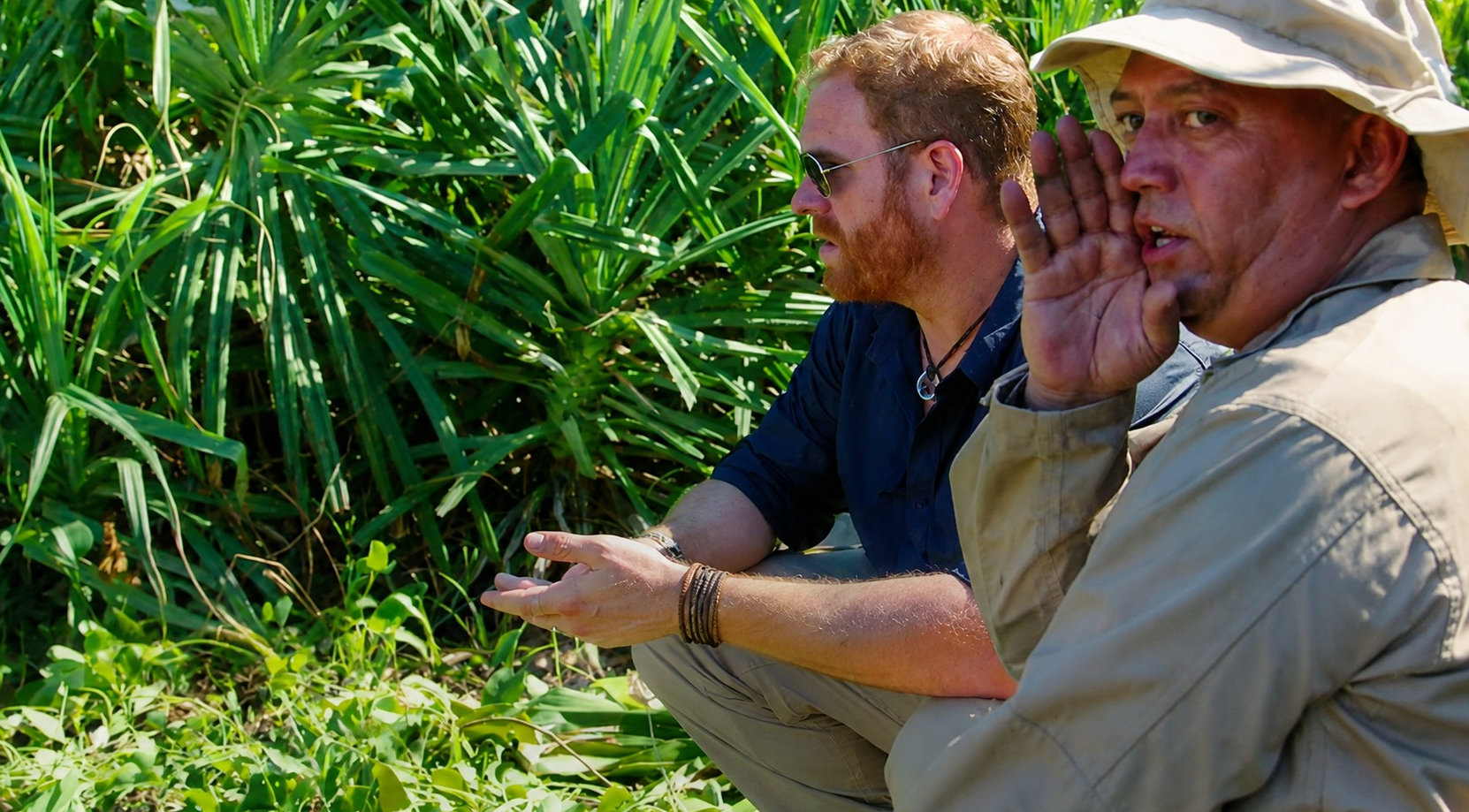
That is where Yamashita Gold becomes especially effective as a storytelling device. It gives the episode a clear goal, but it also widens the mystery. The treasure may be the hook, yet the real power lies in what surrounds it: hidden fortifications, potential dead ends, sealed chambers, and the possibility that the search could expose wartime secrets no one expected to find. The deeper Gates goes, the more the story shifts from treasure hunt to historical excavation.
This kind of investigation works because it mixes discovery with unease. The audience is not just watching a man follow clues. They are watching him enter a space where the past has been deliberately buried. That makes the descent feel almost intimate, as though the fort itself is forcing the team to confront what was left behind. In stories like this, danger is never only physical. It is emotional too, because the weight of history presses in from every direction.
Why the Manila Mystery Feels Bigger Than a Treasure Hunt
The reason Yamashita Gold continues to captivate people is that it represents more than the search for riches. It is about the way war leaves fragments behind, some visible and some hidden. The myth of buried treasure has always carried adventure, but when it is tied to wartime Manila, the story gains another layer. It becomes a search for meaning inside a place marked by loss, secrecy, and survival.
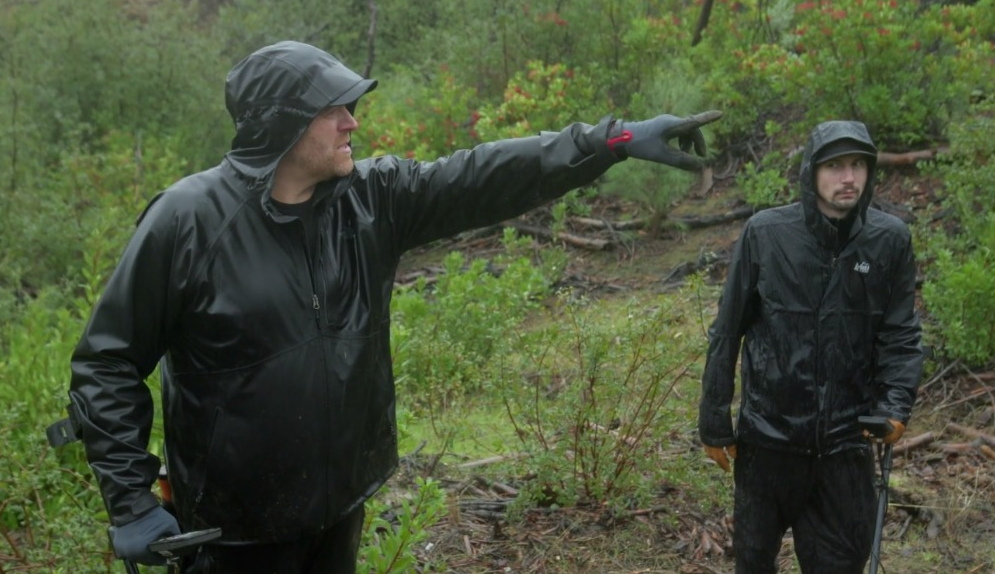
Josh Gates is especially effective in a story like this because he does not approach history as something distant. He treats it like something alive, something that still has the power to surprise us. That approach matters in Manila, where the underground spaces are not just dramatic backdrops. They are places where fear and strategy once shaped every decision. The result is a story that feels larger than treasure. It feels like history pushing back.
In the end, Yamashita Gold works because it combines suspense, memory, and the thrill of the unknown. Gates’ journey into the sealed fort is not just a search for hidden fortune. It is a descent into the emotional remains of war, where every tunnel may hold a clue and every chamber may reveal something that history tried to leave behind. That is what makes the story so powerful. It is not only about what might be found underground. It is about what still waits there, silent but unfinished, after all these years.
