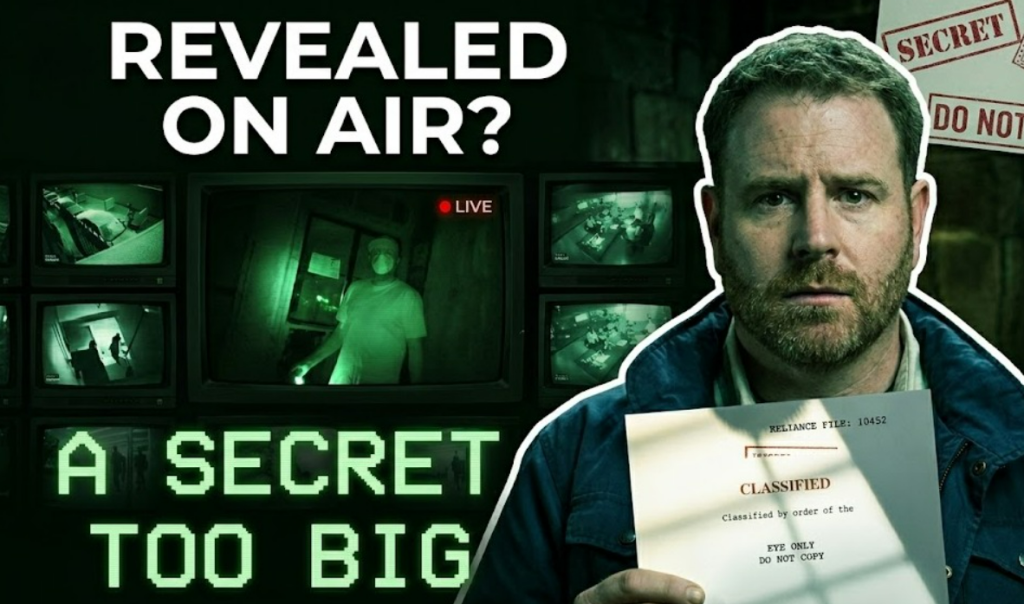
Expedition Files disturbing evidence has reportedly sparked serious internal debate after footage tied to Josh Gates’ latest investigation was said to be so sensitive that some questioned whether it should ever reach television.
Expedition Files Disturbing Evidence Turns a Routine Investigation Into Something Far More Unsettling
Expedition Files disturbing evidence is the kind of phrase that instantly changes the mood of a story. It does not sound like a normal behind-the-scenes issue or an ordinary editing decision. It sounds like a warning. According to the version of events now circulating around the episode, Josh Gates and the Expedition Files team uncovered something during the investigation that created genuine unease inside the production. What had begun as a controlled search for answers reportedly started to feel much more volatile, with the footage raising questions not only about the subject of the investigation, but about whether the audience was ever meant to see it at all.
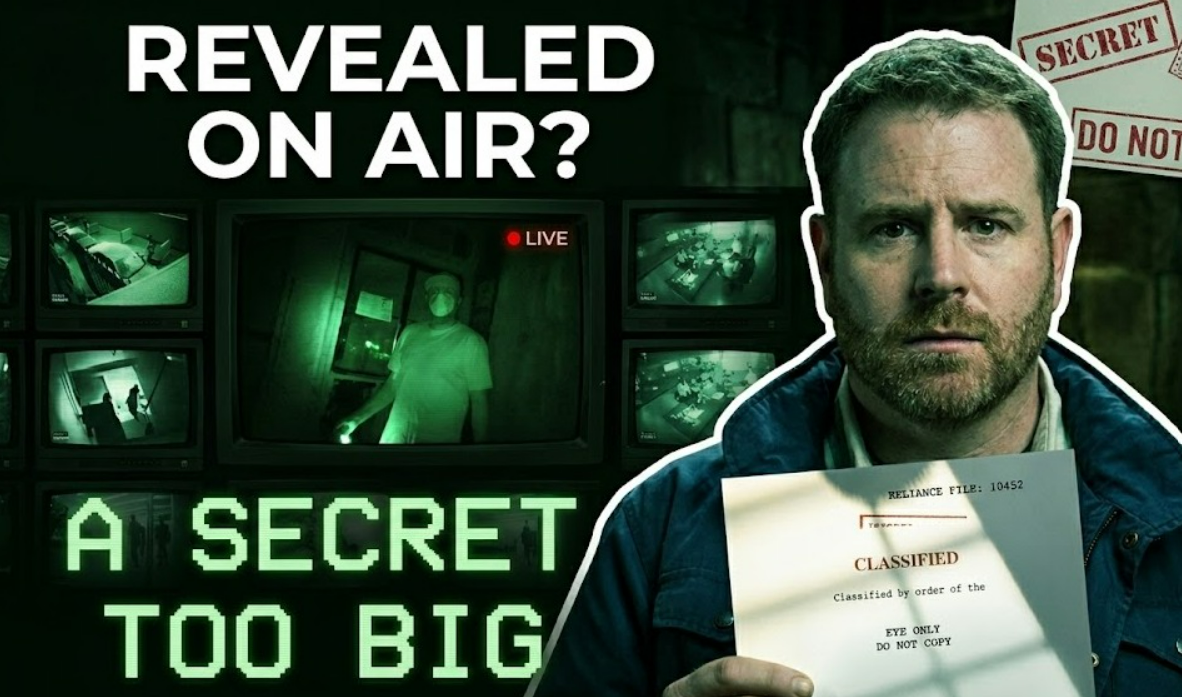
That kind of tension is exactly what makes the story so compelling. Viewers are used to adventure television delivering mystery, suspense, and the occasional surprise. But when a production suddenly appears to be wrestling with whether footage should air in the first place, the atmosphere changes completely. The story becomes less about discovery and more about consequence. What was found? Why did it unsettle the people making the show? And what made the material feel too sensitive to show without hesitation? Those questions are what give Expedition Files disturbing evidence its power. It suggests that the real story may have been bigger, stranger, and more dangerous than the polished broadcast version could fully contain.
That uncertainty is also what keeps fans leaning in. A normal episode ends when the credits roll. A story like this keeps going because the audience starts imagining what happened off-camera. They begin to wonder what conversations took place behind closed doors, what footage may have been trimmed, and whether the final cut only hinted at the full extent of what Gates uncovered. That gap between what was filmed and what was aired is where curiosity thrives, and in this case, it creates a sense of danger that feels just as important as the investigation itself.
Why the Footage Reportedly Sparked Internal Debate
The strongest part of the rumor surrounding the episode is not simply that there was disturbing material, but that the material allegedly triggered real debate inside the production. In television, editing always shapes the story, but some moments feel bigger than normal creative choices. If a segment genuinely made people question whether it should be shown at all, then the issue was not just about pacing or tone. It was about responsibility, impact, and the possibility that the audience might be seeing something that crossed an invisible line.

That idea gives the story a sharper edge. It suggests that the team may have uncovered something that felt too raw, too revealing, or too unsettling to present without serious discussion. For Josh Gates, that would be a difficult position to occupy. As a host, he is known for pursuing the unknown with confidence, but even the most seasoned investigator can pause when the evidence feels heavier than expected. That is why this story resonates. It does not simply present Gates as an explorer. It presents him as someone forced to ask how far an investigation should go once the truth starts to feel uncomfortable.
This is also where the phrase Expedition Files disturbing evidence becomes so effective. It captures the emotional contradiction at the heart of the story. Evidence is supposed to clarify. It is supposed to answer questions. But here, the evidence appears to have done the opposite. Instead of making the situation cleaner, it made everything more complicated. That reversal is what gives the narrative so much tension. The deeper the team went, the less certain the situation seemed to become, and that is exactly the kind of turn that keeps viewers talking long after the episode has aired.
Why This Story Feels Bigger Than a Single Episode
The reason Expedition Files disturbing evidence has such staying power is that it touches on something every mystery-driven series depends on: the idea that the most important part of the story might be the part nobody fully explains. When audiences sense that there is more beneath the surface, they do not just watch the episode. They start building their own version of it in their heads. That makes the story larger than the broadcast itself. It becomes part of the show’s mythology.

There is also a deeper psychological appeal in stories like this. People are naturally drawn to the possibility that something hidden was too intense to be shown without debate. It creates a feeling of rare access, even if the a
udience never sees the full material. That feeling is powerful because it makes the investigation seem real in a way that polished television often does not. If even the producers were unsettled, then the audience assumes the discovery must have carried serious weight.
In the end, that is what makes this story so effective. It is not only about whether the footage aired. It is about why anyone thought twice in the first place. Josh Gates is often at the center of stories that challenge the edge of what is known, but this one feels different because it suggests the evidence itself may have forced that boundary. That is the kind of moment that defines a mystery series: when the search for answers reveals something so difficult that even telling the story becomes part of the risk.
