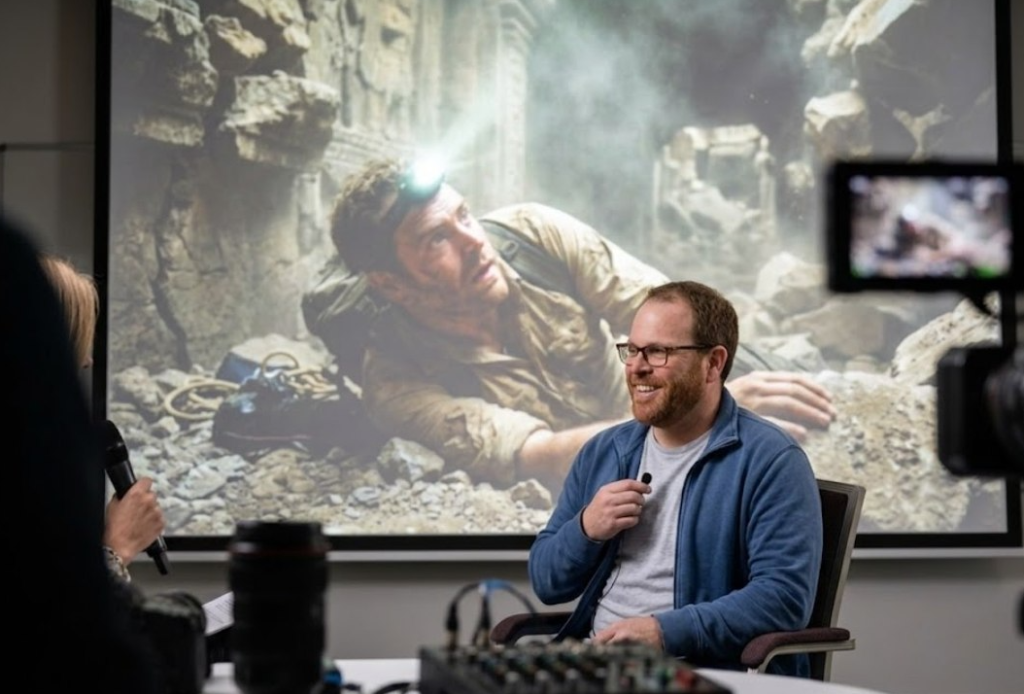
The final hours underground became the most haunting part of Josh Gates’ ordeal after a collapsed Zapotec cavern left him and his crew trapped below the surface, turning a routine expedition into a story of fear, survival, and a confession that has stayed with fans ever since.
The Final Hours Underground Were the Darkest Part of the Rescue
The final hours underground were the kind of moments that can change the way a person remembers an entire life. For Josh Gates and his nine-person crew, the collapse of the Zapotec cavern did not just trap them beneath rock and dust — it stripped away certainty, time, and the comfort of knowing someone was coming.
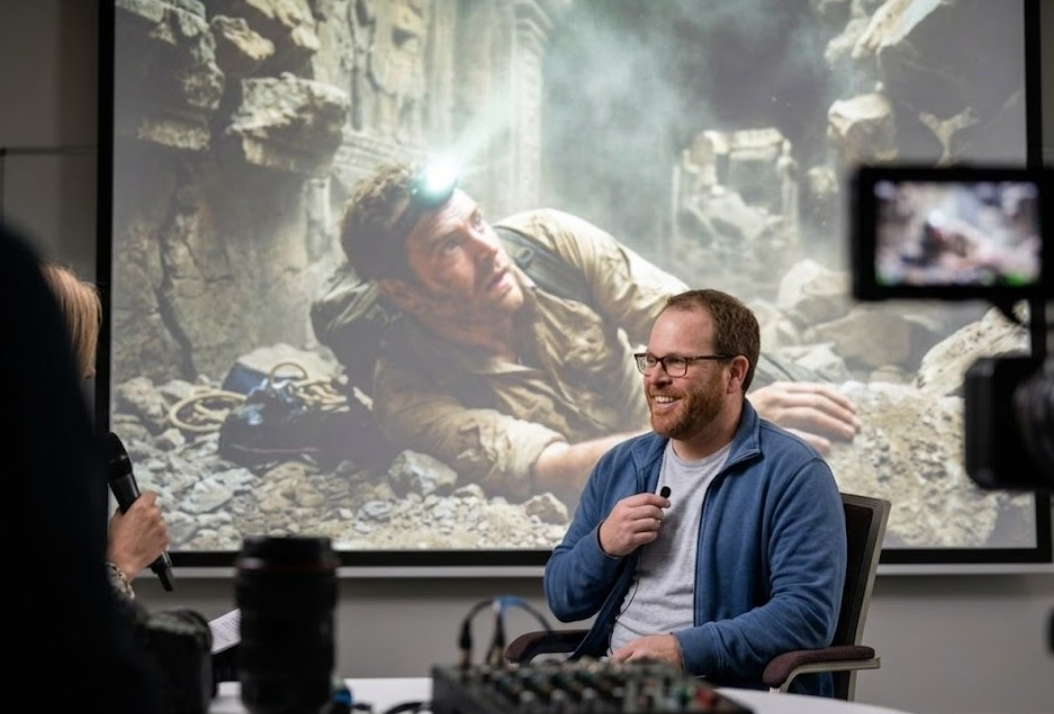
What makes this part of the story so gripping is not only the danger itself, but the emotional weight of being suspended in a place where every sound can feel like a warning and every silence can feel final. Gates’ confession that he believed no one would find them gives the ordeal a deeply human edge, because it turns a rescue story into something more intimate: a person confronting the possibility that the world may have moved on without him.
That fear is what lingers. In moments like these, survival is not only physical. It is psychological. The body may still be fighting, but the mind begins to race ahead, filling in worst-case scenarios. What if the rescue team never reaches the right chamber? What if the route collapses further? What if daylight never comes? That kind of thinking can become its own kind of pressure, and in the cavern, pressure was already everywhere. The walls, the air, the unknown above them — all of it must have felt heavier with every passing minute. That is why this confession has hit so hard. It reveals the private, unfiltered fear behind the public headline.
Josh Gates’ Confession Brings a New Emotional Weight to the Rescue
When Josh Gates finally spoke about those underground hours, the story shifted from a technical rescue account into something far more personal. The image of him leaving the trauma center under his own power two days later is powerful on its own, but the confession behind it gives the moment real emotional gravity. Saying, “I thought no one would find us,” does more than describe fear. It captures the loneliness of entombment, the uncertainty of waiting, and the fragile hope that keeps people alive when everything else is slipping away. That single line turns the rescue into a memory that viewers can feel rather than just read about.

It also changes the way people see Gates. He has long been known as the calm, curious face of adventure television, someone who walks toward mystery with confidence and composure. But stories like this remind audiences that the people who chase the unknown are still vulnerable to it. The difference between a daring expedition and a near-fatal emergency can be a single collapse, a single blocked exit, a single moment when the ground gives way. Gates’ experience makes that truth impossible to ignore. It is one thing to watch an explorer take risks on camera; it is another to hear him admit that, for a time, he believed rescue might never come.
That honesty is what gives the story its lasting power. People are drawn to survival stories because they reveal character under pressure. In this case, the confession does exactly that. It shows fear, endurance, and the strange clarity that can arrive when all other options disappear. It is not just a quote. It is the emotional center of the entire ordeal.
Why the Final Hours Underground Will Stay With Fans
The final hours underground will likely remain the most unforgettable chapter of this rescue because they combine suspense, vulnerability, and survival in a way that feels larger than the event itself. Fans do not just remember the collapse or the medical update. They remember the feeling of nearly losing someone they had followed for years. That is what makes the story so resonant. It speaks to the universal fear of being trapped, forgotten, or left waiting in a place where help may never arrive.
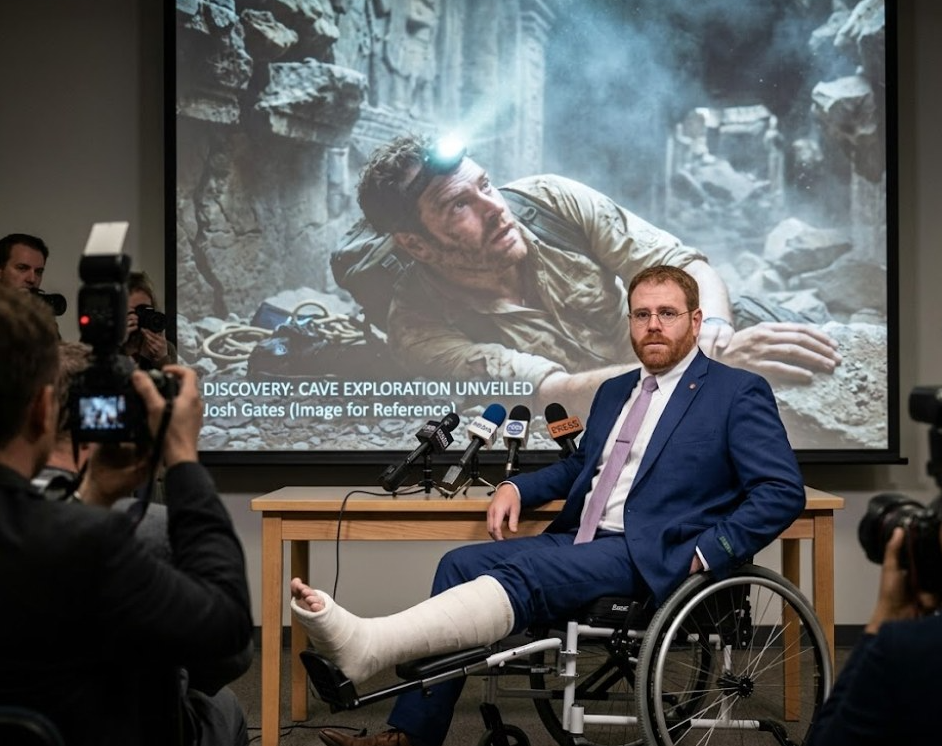
There is also something deeply powerful about the contrast between the darkness underground and the image of Gates walking out on his own two days later. That contrast gives the story shape. It begins in fear and ends in motion, but the emotional middle is where the real impact lives. The confession, the rescue, and the recovery all work together to create a story that feels both dramatic and human. It is not just about escaping a cavern. It is about what it means to survive something that briefly made survival feel impossible.
In the end, this is why the final hours underground matter so much. They represent the point where hope was nearly lost, and where the simple act of being found became everything. For fans, that makes the story unforgettable. For Gates, it is a reminder that even the most seasoned explorer can be shaken by the unknown. And for everyone watching, it is proof that some stories stay with us not because they are loud, but because they are honest.
