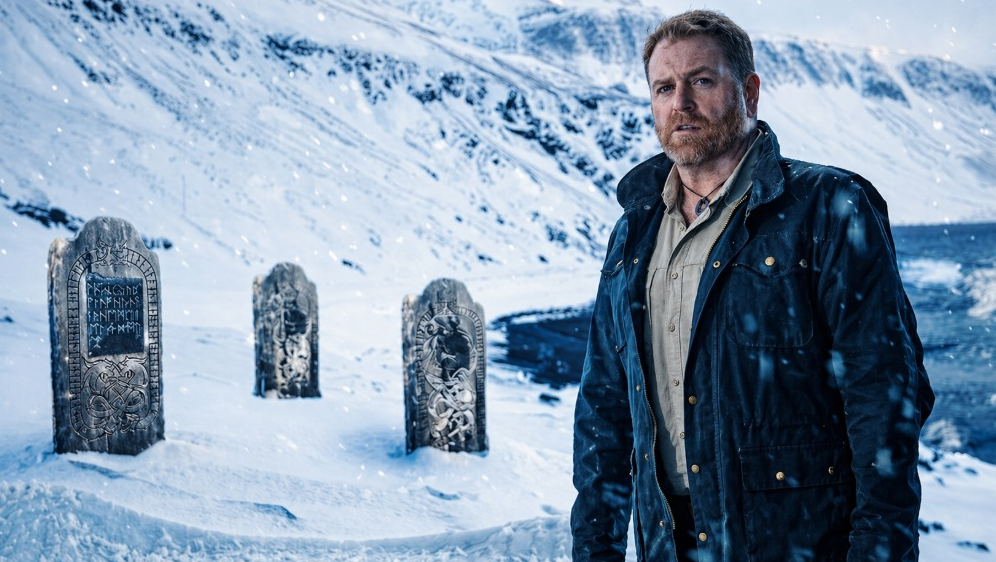
What Really Happened to John Franklin remains one of the most haunting Arctic mysteries in history, and new underwater clues linked to Josh Gates bring fresh weight to a story that has fascinated explorers, historians, and viewers for generations.
What Really Happened to John Franklin Still Feels Like an Unfinished Arctic Nightmare
What Really Happened to John Franklin has haunted historians for nearly two centuries because the disappearance of his 1845 expedition is still wrapped in silence, ice, and unanswered questions. The scale of the tragedy alone is staggering: 129 men, two of the British Empire’s most advanced ships, and a journey that vanished into the Arctic with no final report and no clear escape. What should have been a triumph of exploration instead became one of the most chilling losses in maritime history.
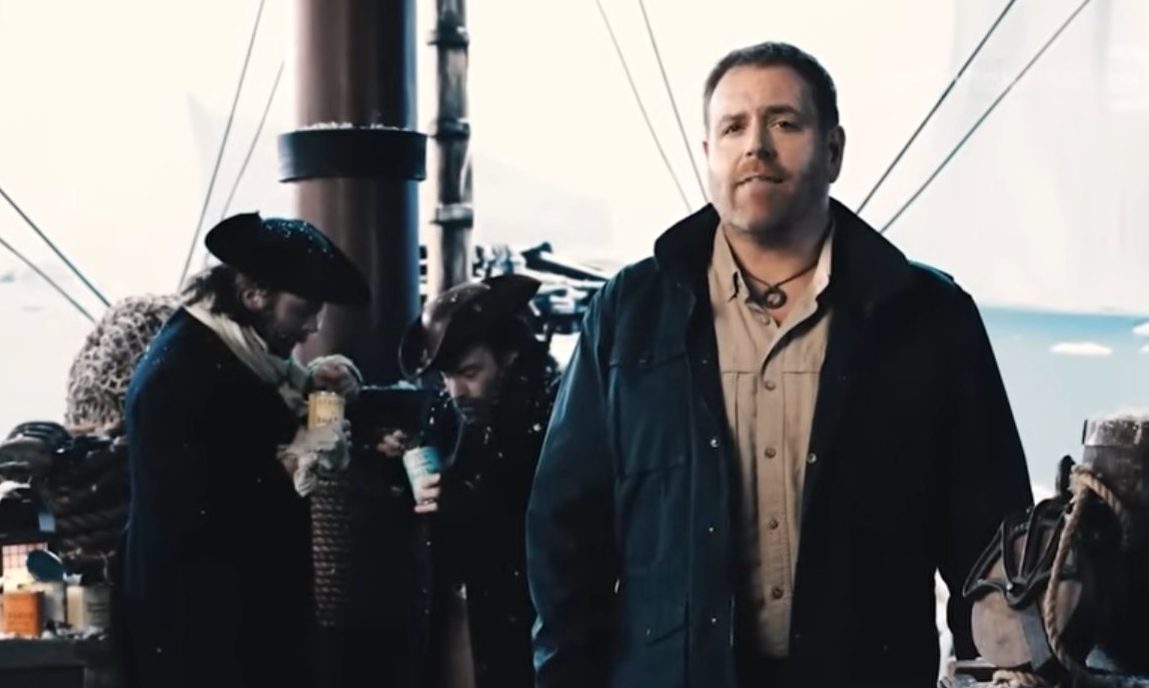
That is what makes the Franklin story so powerful even today. It is not just that the expedition disappeared. It is that the disappearance left behind fragments, rumors, and disturbing evidence that seem to point in several directions at once. Over the years, theories have ranged from starvation and exposure to disease and bad leadership, but none of them fully explain the desperation that must have unfolded in those final months. Every new clue feels important because the case has always been larger than a single failure. It represents the terrible cost of pushing into a world that was still deeply unknown.
In this episode-driven retelling, Josh Gates adds fresh urgency to the mystery by returning to the frozen waters and submerged wrecks connected to the Franklin expedition. The moment new evidence appears on the screen, the story stops being only about the past. It becomes a live investigation into what the ice was hiding and why the truth may have been buried for so long. That is the kind of mystery that keeps audiences watching, because the question is not only what happened, but how close anyone has ever come to knowing the full story.
New Underwater Clues Suggest the Franklin Crew Faced a More Terrifying End Than Expected
The most gripping part of the Franklin mystery is the suggestion that the final chapter may have been even more brutal than historians first believed. New clues discovered beneath the ocean’s surface raise the possibility that the crew was forced into impossible decisions as their situation collapsed around them. In stories about survival, the smallest detail can completely change the picture, and the Franklin case is full of those details: damaged supplies, signs of abandonment, and evidence that points to a slow, agonizing breakdown rather than one sudden disaster.
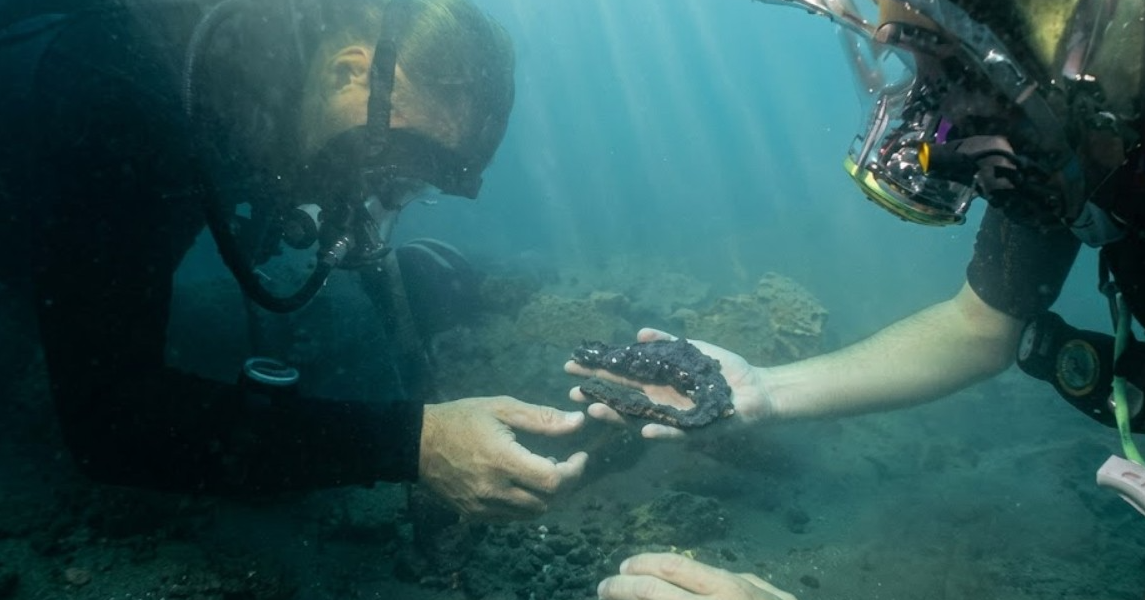
Among the most unsettling possibilities are reports of poisoned tin cans, contaminated provisions, and the kind of medical deterioration that would have made survival nearly impossible in the Arctic. If those clues are part of the true story, then the expedition was not simply lost to the cold. It may have been undone by a chain of failures that turned the journey into a prolonged and desperate struggle. That idea gives the mystery a far darker edge because it suggests the men may have known they were in trouble long before the end came.
Josh Gates’ role in revisiting the site gives the story renewed momentum. Instead of treating the Franklin expedition as a closed historical case, the episode presents it as an open investigation still capable of revealing something new. That is what makes the underwater discoveries so compelling. They do not just support old theories. They challenge the audience to rethink what survival looked like when the ships were trapped far from help, far from civilization, and far from any real chance of rescue.
Why the John Franklin Mystery Still Captures the Imagination
What Really Happened to John Franklin continues to attract attention because it blends exploration, tragedy, and mystery in a way few historical stories can match. The Arctic setting itself adds a haunting quality to the case. Ice preserves, hides, and distorts all at once, turning the landscape into a kind of frozen archive where every new find feels like a message from the past. That is why the Franklin expedition remains so emotionally powerful. It invites people to imagine the cold, the fear, and the impossible choices the crew may have faced.
There is also something deeply human about the way this story survives. People are drawn to it because it asks what happens when confidence outruns reality. The British Empire sent two fortified ships into one of the harshest environments on Earth with the expectation that modern planning and discipline would be enough. Instead, the Arctic proved stronger than ambition. That tension between belief and consequence is part of what gives the story its long life. It reminds viewers that even the most advanced tools do not guarantee survival when nature refuses to cooperate.
That is why new clues matter so much. They do not just add facts. They revive emotion. They pull the Franklin expedition back into the present and make it feel immediate again. Whether the final truth turns out to be starvation, disease, environmental collapse, or some combination of all three, the mystery still holds its grip because it speaks to something timeless: the desire to explore, the danger of going too far, and the ache of not knowing exactly how the story ended.
